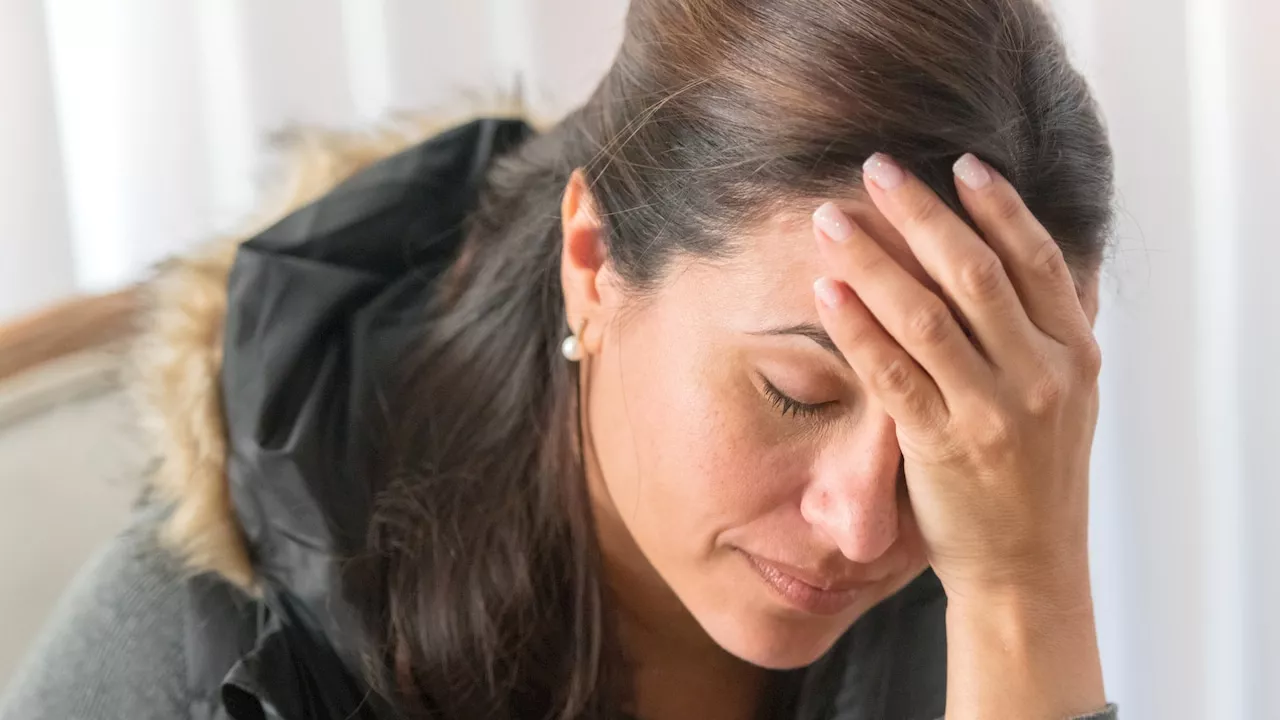
URGENT UPDATE: A cancer survivor is speaking out against unsolicited comments on her newly curly hair, a painful reminder of her battle with cancer. In a heartfelt plea, she shares her struggle with the emotional toll of these remarks, urging others to reconsider their words.
Just last year, this woman faced a harrowing fight against cancer that resulted in hair loss. Now, as her hair grows back, it has taken on a curly texture, prompting unwelcome attention from friends and acquaintances. Each day, she is bombarded with comments like, “Oh, your hair! It’s so curly!”—a reminder of her past she is trying to move beyond.
“I’m fine now, but it’s hard when I’m trying to feel normal again,” she expressed. Despite her attempts to explain that these comments are distressing, many insist on complimenting her looks, seemingly oblivious to the emotional weight those words carry.
In her local church community, multiple women bring up her hair, not realizing the pain it causes. One persistent gym-goer even continued her comments daily, ignoring the survivor’s requests to stop. “I finally burst into tears,” she revealed, highlighting the emotional impact of these interactions.
The survivor notes it will take two years for her hair to return to a length that feels feminine again, intensifying her desire for empathy and understanding. She is now seeking advice on how to navigate these painful exchanges without further distress.
Miss Manners, the etiquette expert and author Judith Martin, weighs in on the situation. “Unfortunately, there is no legal way to stop foolish people from informing others how they look,” she states, emphasizing the challenge of retraining individuals who feel compelled to comment on appearances.
In her response, Miss Manners underscores the importance of self-control in these situations, suggesting a silent, humorless stare to quell further remarks. “It is a wonder she didn’t announce that,” Miss Manners added regarding the gym-goer’s insensitivity.
This story serves as a poignant reminder of the human impact of our words. The emotional journey of cancer survivors extends beyond treatment, affecting their daily lives and interactions long after.
As the survivor continues to heal, she hopes for a greater understanding from those around her. This urgent call for compassion resonates with many who have faced similar battles, highlighting the need for sensitivity in our conversations.
For those following this story, expect ongoing discussions about how society can better support cancer survivors and foster a culture of empathy. Share this article to spread awareness and encourage thoughtful dialogue on this critical issue.