UPDATE: This week, the U.S. House of Representatives is set to vote on H.R. 845, the “Pet and Livestock Protection Act of 2025,” a critical piece of legislation that could reshape gray wolf management in the United States. If passed, this bill will remove gray wolves from the federal Endangered Species Act list, empowering state wildlife agencies to take charge.
The urgency of this matter is heightened by alarming reports from Siskiyou County, where gray wolves were seen dangerously close to Little Shasta Elementary School, only 0.6 miles away. These wolves were also spotted actively chasing cattle just 0.9 miles from the school, raising serious public safety concerns as children wait for school buses in the area. Local Supervisor Jess Harris has warned that this escalating habituation of wolves to human presence is no longer an isolated incident.
Authorities confirm that immediate action is necessary to address the growing threat these wolves pose to the community. The proposed legislation aims to reinstate a 2020 rule by the U.S. Fish and Wildlife Service that previously delisted gray wolves across the lower 48 states.
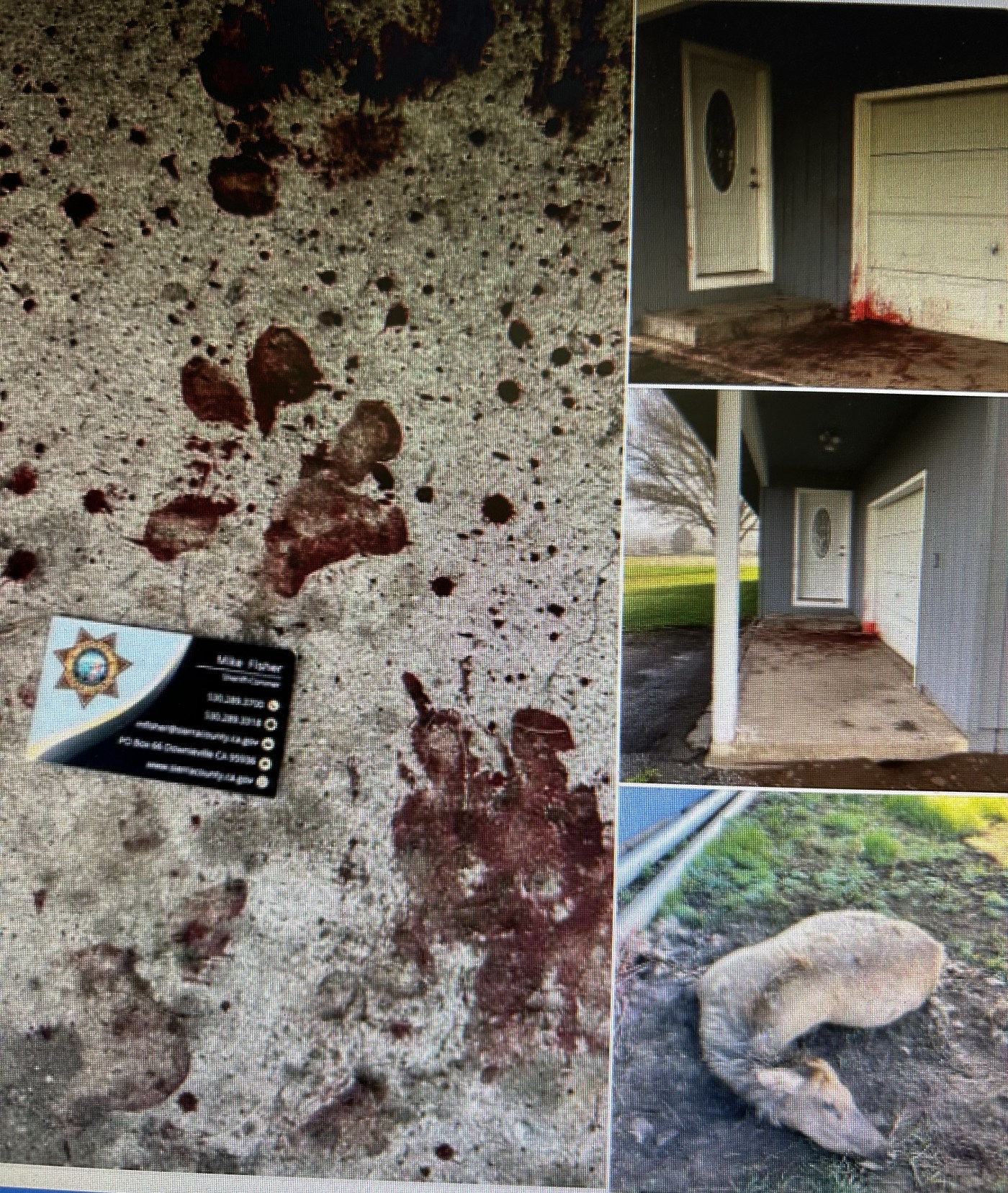
Agricultural stakeholders are also sounding the alarm. A recent report by agriculture journalist Angie Stump Denton highlights the significant toll wolves are taking on livestock in rural areas, including the Sierra Valley. Ranchers have reported losses that often go uncounted as carcasses are consumed before investigations can take place.
The impact of wolf presence extends beyond direct animal losses. Stress on livestock has led to increased rates of cattle aborting calves and reduced overall herd health. According to UC-Davis, the indirect costs associated with wolf presence can result in substantial financial losses for producers.
Ranchers emphasize that wolves are not merely an inconvenience; they represent a serious financial threat. Western livestock reports indicate that wolves cause significantly higher livestock losses compared to coyotes, cougars, or bears. The emotional toll on ranching families is also significant, with producers expressing feelings of burnout and long-term stress due to sleepless nights spent worrying about their herds.
As ranchers face these challenges, entire rural communities are feeling the repercussions. Reductions in herd size lead to fewer students in local schools and decreased business for veterinarians and feed stores. The fabric of rural life is at risk, and ranchers are calling for realistic management solutions that provide compensation for true losses and allow for timely intervention during livestock attacks.
The urgency of the situation cannot be overstated. With the House vote imminent, CDA urges all stakeholders to contact their U.S. Representatives and advocate for a “YES” vote on H.R. 845. Residents can find their representatives by visiting www.house.gov and entering their zip codes.
This vital legislation represents a turning point for livestock management in America. As the pressure mounts, ranchers and communities alike are looking for effective solutions to protect their livelihoods and ensure public safety.
In other news, mark your calendars for the 73rd annual Tehama County Cattlemen’s Winter Dinner on January 10 at the Red Bluff Elks Lodge. The event promises an exciting evening with a prime rib dinner and a scholarship auction featuring unique items.
Stay tuned for further updates as this developing story unfolds. The implications of the House vote on H.R. 845 will resonate across rural America, making it a critical issue for communities reliant on agriculture and livestock management.