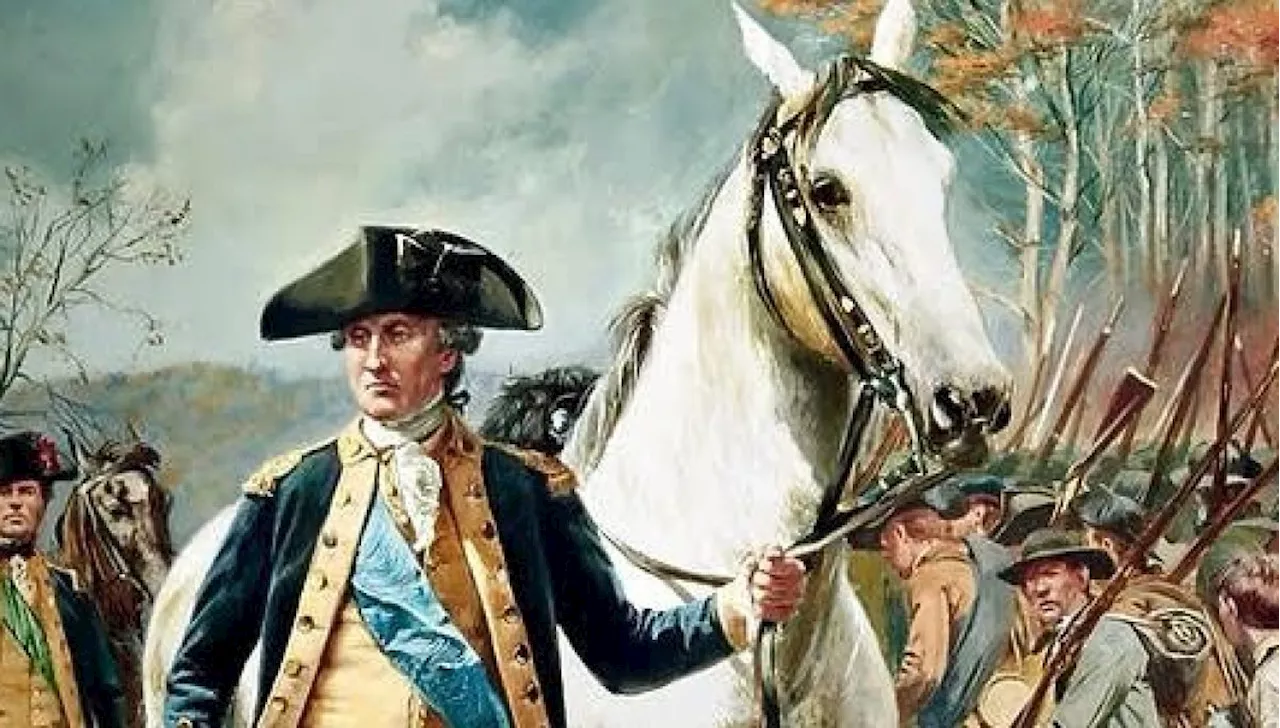
UPDATE: In a decisive move, George Washington and his officers have confirmed the initiation of artillery bombardment on Boston, set to commence within the next 48 hours. This urgent action comes as a direct response to the imminent threat of British forces potentially seizing Dorchester Neck, a strategic position in South Boston.
The plan, disclosed in a letter to Maj. Gen. Artemas Ward, outlines preparations for American artillery to open fire from Lechmere Point in Cambridge, rather than the previously discussed Dorchester Heights. Washington emphasized the critical nature of this operation, stating, “We should go on there Monday Night,” urging immediate readiness to support the assault against British troops.
In the days ahead, Washington is orchestrating a stealthy maneuver involving Gen. John Thomas and thousands of troops. They are set to transport Ticonderoga cannons—captured from Fort Ticonderoga by Henry Knox, a bookseller turned military strategist. Knox’s remarkable feat included dragging these heavy cannons over 50 days through the harsh New England winter, employing oxen and hay bales to muffle the sounds of their movement, ensuring they go undetected by British spies.
This tactical shift demonstrates Washington’s commitment to outsmarting the enemy and solidifies the Continental Army’s readiness to act decisively against British occupation. The bombardment is anticipated to have significant implications for the morale of both American forces and colonial citizens, as the fight for independence intensifies.
As events unfold, observers are keenly watching for Washington’s next moves, which could reshape the course of the American Revolution. The urgency of this military operation underscores the escalating tensions and the critical decisions that will determine the future of the fledgling nation.
Stay tuned for the latest updates on this developing story as the Continental Army prepares for one of its most pivotal actions against British forces.