URGENT UPDATE: New reports confirm that U.S. officials are intensifying warnings about Iran’s nuclear capabilities, suggesting the regime could be “a week away” from acquiring nuclear weapons. This alarming announcement comes amidst escalating tensions and military operations in the region.
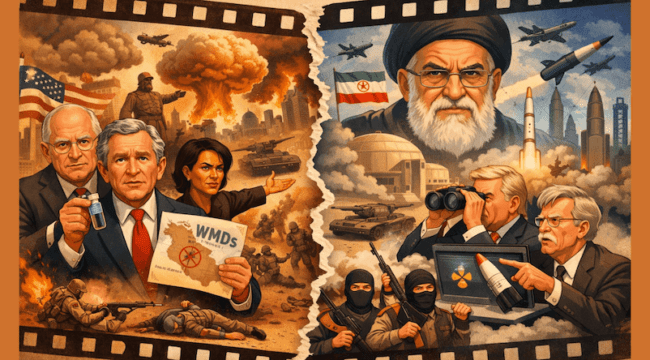
Officials assert that Iran has sufficient material for up to 11 nuclear weapons, prompting fears of a rapidly approaching crisis. The latest claims echo the rhetoric used in the lead-up to the Iraq War in 2002, when two-thirds of Americans believed that Saddam Hussein possessed weapons of mass destruction—claims that were later discredited.
Current communications from the U.S. government mirror this past narrative. Figures such as former National Security Advisor Condoleezza Rice famously warned that the consequences of inaction could lead to a “smoking gun” becoming a “mushroom cloud.” Now, with renewed focus on Iran, questions arise about the credibility of these assertions.
In a sharp critique, experts highlight inconsistencies in the U.S. administration’s messaging. If Iran’s nuclear facilities have been “decimated,” how can the nation still be on the brink of developing nuclear weapons? This contradiction raises doubts about the underlying intentions of the military operations being conducted.
The political landscape is fraught with tension, as officials debate the implications of their military actions. Reports reveal that aides within the U.S. administration are grappling with the strategic direction of the operations, concerned about midterm election optics while planning military engagements.
This situation is not merely about military posturing; it has profound implications for global security. The potential for a renewed conflict in the Middle East evokes memories of the Iraq War, which resulted in the deaths of 4,500 American soldiers and between 150,000 and 1,000,000 Iraqi civilians. The human cost of miscalculations in foreign policy cannot be overlooked.
As tensions mount, experts urge vigilance. The narrative surrounding threats from Iran is being scrutinized, with calls for clarity and transparency before any military commitments. The specter of “mission creep” looms large, as initial objectives often expand beyond their original scope, leading to prolonged and costly engagements.
Critics emphasize that the lessons of the past must not be forgotten. The cycle of inflating threats for political gain places the public at risk, as history shows that uncertainty can easily be weaponized to justify military actions. With the stakes higher than ever, the urgency for informed debate and skepticism in the face of government narratives is paramount.
As this situation develops, the world watches closely. The U.S. administration’s next moves may have significant repercussions not only for Iran but for international relations as a whole. The unfolding events warrant immediate attention as the potential for conflict escalates.
Stay tuned for more updates as this story develops, and consider the broader implications of military interventions framed by shifting narratives. The lessons of October 2002 may offer critical insights into the current landscape.