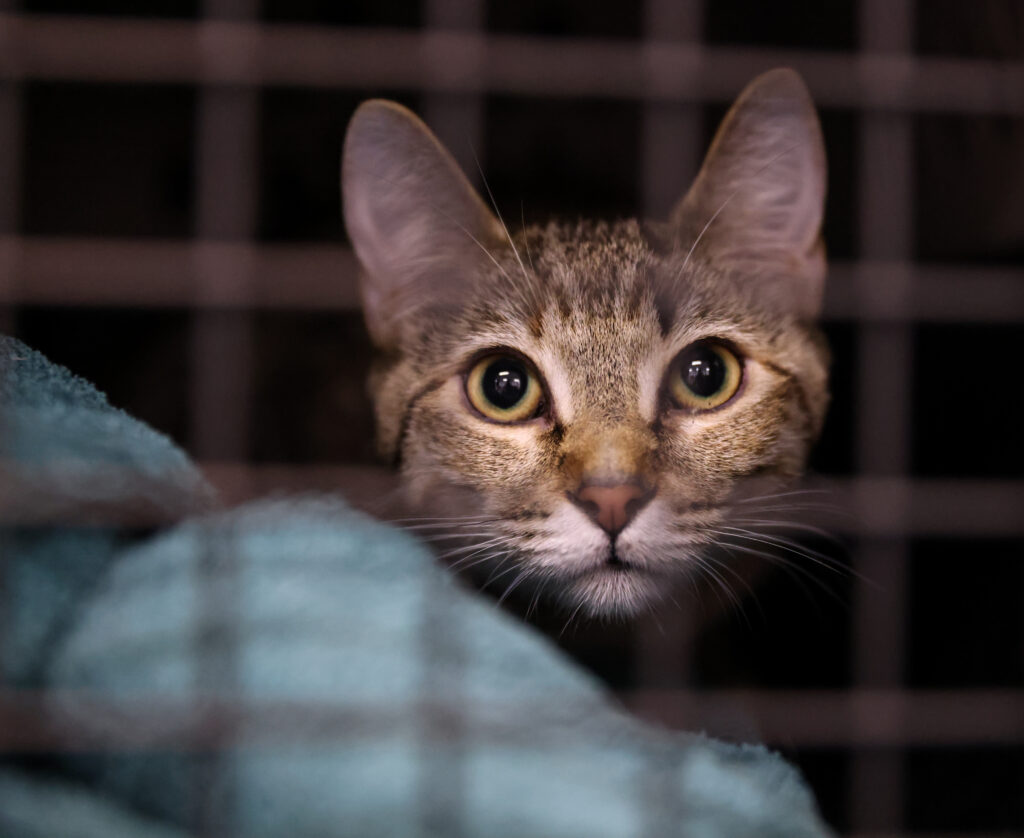
UPDATE: The Feral Cat Spay and Neuter Project (FCSNP) in Lynnwood is urgently addressing a rising crisis of feral and homeless cats as numbers surge in the wake of the COVID-19 pandemic. Founded in 1997, this nonprofit has already treated over 100,000 cats and is calling for community support to continue its vital mission.
As feral cat populations explode, Executive Director Amy Ferguson reveals that the clinic is witnessing a significant increase in feral cats seeking assistance, raising alarms about the strain on local shelters in Snohomish County. Ferguson stated, “We’re here to make sure that cats aren’t reproducing and they’re not causing needless strain on the sheltering system.”
FCSNP offers free spay/neuter services for trapped feral cats and reduced-cost services for low-income pet owners, charging just $70 compared to the typical veterinary costs of $500 to $1,000. This crucial support allows families to care for their pets while preventing further overpopulation.
The organization provides resources for trapping feral cats and is dedicated to improving feline health. “Spay and neuter is huge because it significantly improves the lives of cats,” says Eudora Hawkes-Roach, clinic manager. The health benefits are clear: spaying reduces risks of life-threatening cancers in females, while neutering minimizes nuisance behaviors in males.
Community advocate Lou Farthing, who travels from Eastern Washington to deliver feral cats to Lynnwood, emphasizes the life-extending impact of these procedures, stating, “Spay and neuter hands down does almost guarantee a much longer life.”
FCSNP not only focuses on improving cat health but also aims to mitigate environmental damage caused by feral cats. Ferguson explained, “We are really helping to make sure that the cats that have to live outside are not going to reproduce and make more cats that cause environmental havoc.”
With a small staff and over 100 volunteers, the clinic can treat up to 50 cats per day, relying on community involvement to spread awareness. “We’ve created a community of cat advocates,” says Hawkes-Roach. The need for volunteers remains high as the clinic works to double its impact in the community.
Recently, the FCSNP relocated to a larger facility on Highway 99 in Lynnwood, allowing for more extensive operations. Ferguson’s vision is clear: to expand services to seven days a week, ensuring no cat goes unassisted.
FCSNP is actively seeking new volunteers and donations to support its mission. “What we’re doing here is a first line of defense,” Ferguson asserts. As the need for spay and neuter services escalates, the opportunity to help is immediate and vital.
This urgent call to action highlights the critical role of community engagement in combating feline overpopulation. As more cats flood local shelters, the community must rally together to support initiatives like FCSNP, which not only save lives but also foster healthier environments for both cats and local ecosystems.