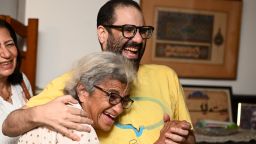
BREAKING: An Egyptian student at King’s College London, Usama Ghanem, faces imminent deportation to Egypt following his involvement in pro-Palestinian protests on campus. The UK Home Office has issued a formal notice, stating Ghanem must be prepared to leave the country by January 27, 2024.
This urgent situation escalates as Ghanem, a 22-year-old international relations student, was suspended indefinitely from KCL, with the university alleging “non-academic misconduct” related to his activism. Ghanem has been politically persecuted in Egypt before, witnessing the horrifying Rabaa massacre in 2013, and he fears for his safety if returned.
KCL’s leadership initiated disciplinary action after Ghanem participated in protests demanding the liberation of Palestinians amid the ongoing conflict in Gaza. The university’s allegations include “health and safety concerns” and “offensive behavior,” prompting the Home Office to revoke his visa sponsorship.
“We advise you to be prepared to leave within 60 days from today,” reads the Home Office memo, leaving Ghanem in a state of anxiety. His legal team reports that no criminal charges have been filed against him, yet he lacks lawful immigration status, making deportation likely.
Ghanem’s case has sparked significant backlash, with hundreds of students and faculty rallying in support. Ghanem’s lawyers assert that KCL is risking his life by sending him back to Egypt, where he could face imprisonment for his dissent. Notably, more than 40 academics from the King’s Race Research Network have accused the university of “institutionally racist” actions in a November letter.
Despite the university’s claims, Ghanem insists his activism is within lawful parameters. He expressed the emotional toll this situation has taken on his family, stating, “The prospect of being deported to Egypt is incredibly disheartening.”
The university has faced scrutiny over its treatment of international students, particularly those of color, amid accusations of suppressing free speech. Critics, including Lewis Turner from the British Society for Middle Eastern Studies, argue that Ghanem’s suspension reflects a broader pattern of repression against students voicing Palestinian solidarity.
With the political climate becoming increasingly charged, Ghanem’s case highlights the challenges faced by international students engaged in activism. The situation is further complicated by rising tensions surrounding protests related to the Israel-Palestine conflict.
As the deadline approaches, Ghanem remains resolute, stating, “I believe that dictators and authoritarianism are to be challenged, not accepted.” The world watches closely, as the outcome of this case could set a concerning precedent for student activism and free speech across university campuses.
This developing story underscores the urgent need for dialogue and understanding in a politically fraught environment. Ghanem’s plight is a stark reminder of the human cost of political dissent, making it crucial for advocates and allies to rally in support of his cause.
Stay tuned for updates as this situation unfolds, with the potential for significant implications for international students and their rights in the UK.