URGENT UPDATE: A daughter from Texas is speaking out against her father’s “cringey” pet names for his new wife, sparking a heated discussion about respect and family dynamics after loss. The situation, which has escalated into a family crisis, highlights the emotional impact of remarriage and the struggle to honor a deceased parent’s memory.
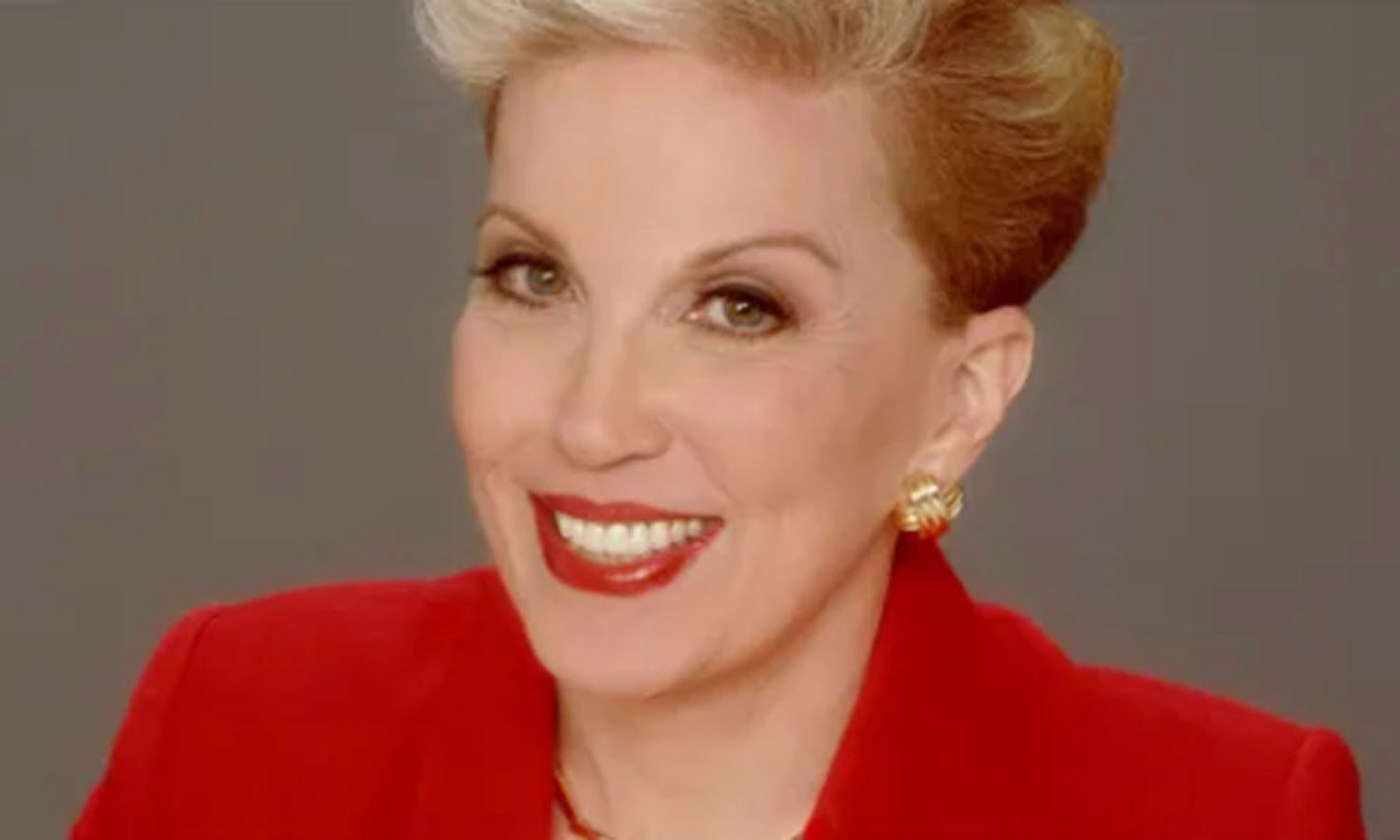
The daughter, who has remained anonymous, expressed her frustrations in a letter to the long-running advice column, Dear Abby, founded by Jeanne Phillips. She revealed that her father, aged 82, married a woman 72 just one year after her mother’s death. Their whirlwind romance began with an engagement only two months after they met, raising eyebrows and causing tension within the family.
In her heartfelt letter, she described a series of her father’s insensitivity, including announcing his engagement on Facebook before informing her mother’s sister. The daughter also recounted the moment her father invited his new wife to her mother’s delayed memorial service, which she found deeply disrespectful.
However, it’s the “cringey” nicknames that have become the focal point of her distress. Every time the daughter calls her father, he insists on putting his new wife on speakerphone, referring to her with terms like “child bride” and “beloved bride.” The daughter stated, “It feels like he’s bragging about his ability to remarry,” and noted that these names stab at her heart, especially since his new wife’s name is the same as her late mother’s.
The tipping point came when he referred to her as his “lover,” leaving her feeling uncomfortable and alienated. She expressed her frustrations, stating, “I find myself afraid to even call him anymore.” This letter raises critical questions about navigating relationships after loss and the emotional toll it can take on families.
In response, Dear Abby advised the daughter that her father is likely still in the “honeymoon” phase of his new marriage. Abby suggested that love can make people act in ways that may come off as goofy or insensitive, emphasizing that the father likely does not intend to disrespect his late wife’s memory. She encouraged the daughter to seek therapy again to help process these feelings, suggesting that her father’s happiness should not lead to resentment.
This urgent family matter resonates with many who have experienced similar challenges in blended families. As societal norms around marriage and loss continue to evolve, the emotional intricacies of such situations remain ever-relevant.
As this story develops, it serves as a reminder of the complexities of love and loss, and the importance of communication in family relationships.
For those in similar situations, the dialogue surrounding grief, new relationships, and how to honor the memory of loved ones is crucial. Dear Abby remains a valuable resource for navigating these sensitive topics, encouraging readers to engage in open conversations about their feelings and experiences.
Stay tuned for updates on this emotional family saga, and consider sharing your thoughts on how to approach love after loss.