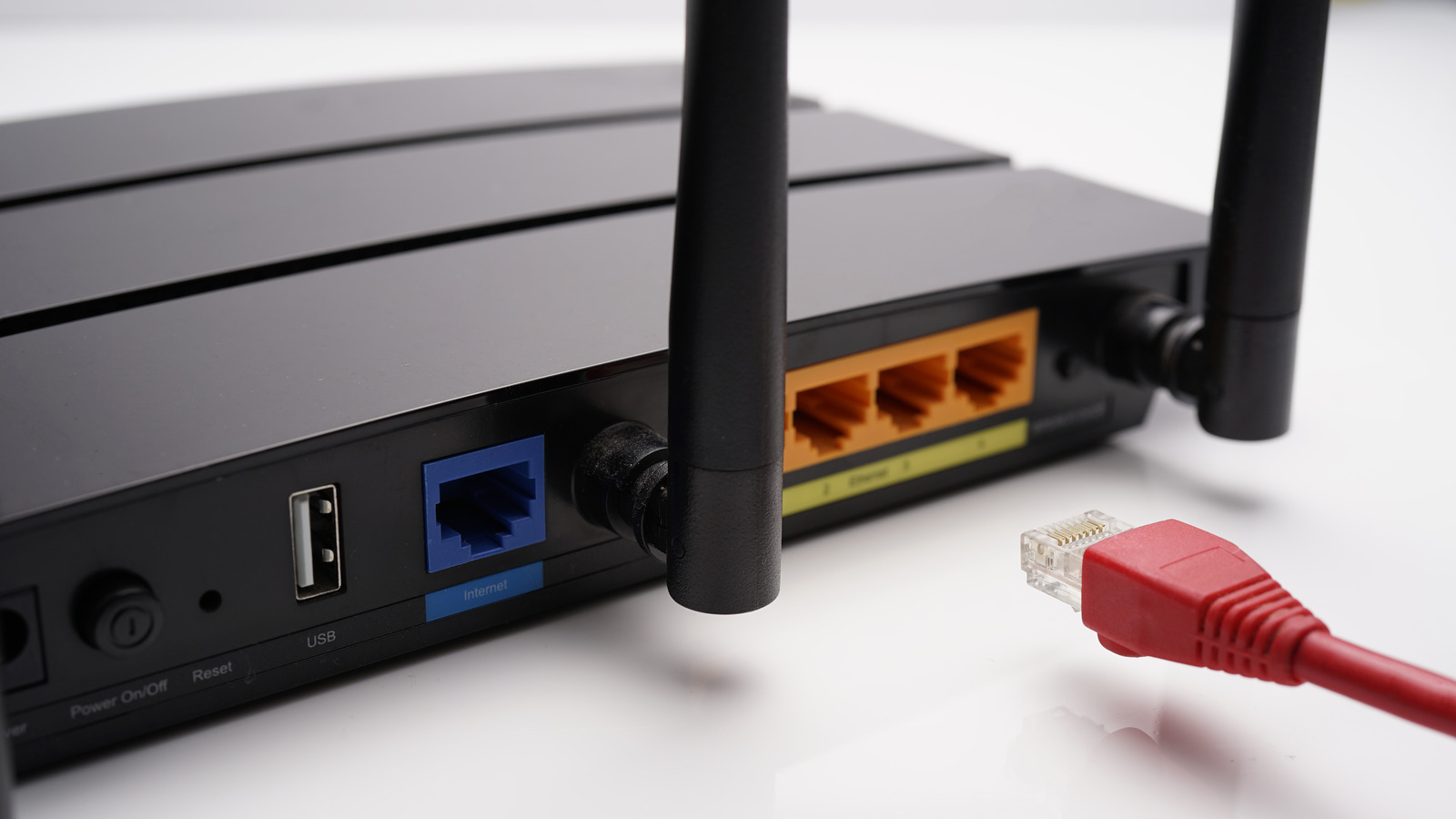
UPDATE: A new report reveals that the once-ubiquitous 2.4 GHz router is now considered outdated and inadequate for modern households. As of today, four out of five households in the U.S. rely on home network routers, but many are still using this aging technology that struggles to meet today’s high data demands.
This urgent situation arises as homes increasingly connect multiple high-demand devices—from smart TVs to gaming consoles—all competing for bandwidth. The limitations of the 2.4 GHz router, which first became popular in 1999, are becoming painfully clear. While it originally supported data rates of up to 54 Mbps, practical speeds rarely exceed 100 Mbps. In contrast, advanced systems like the 5 GHz router can achieve speeds of up to 1 Gbps, and the latest Wi-Fi 7 technology can double that to 2 Gbps.
The competition for bandwidth is fierce. As more devices join the network, the 2.4 GHz band can become congested, especially in urban areas where signals easily overlap. Common household items, such as baby monitors and microwave ovens, can further disrupt connections. The result? Many households experience buffering and connection drops—a scenario that’s increasingly unacceptable in today’s digital age.
Despite its declining performance, the 2.4 GHz router still offers some advantages, including better range and the ability to penetrate walls more effectively than its higher-frequency counterparts. This makes it valuable for connecting legacy devices that lack support for newer standards. Experts recommend considering a dual-band device, like the TP-Link Archer GE230 Dual Band router, which can accommodate both older and newer technologies.
However, using a 2.4 GHz router as the main hub for a modern home is a recipe for frustration. Activities like streaming high-definition video, remote work, and online gaming can quickly overwhelm its limited capacity. Instead of relying solely on this outdated technology, users should think about repurposing it for less demanding tasks, such as managing IoT devices.
Although these older routers may feel obsolete, they still have their place. Retailers like Costco and Home Depot continue to utilize older technology, proving that even outdated systems can find new life. These routers can serve as Wi-Fi extenders, helping to cover dead spots in your home where higher-frequency signals struggle.
IMPORTANT: If you have a 2.4 GHz router, now is the time to evaluate your options. Upgrading to a modern dual or tri-band router can significantly improve your home network’s performance. Experts emphasize that a hybrid approach—using a new router for heavy lifting while still utilizing the 2.4 GHz band for specific tasks—can enhance your connectivity experience.
The urgency for upgrading is clear. As households continue to evolve digitally, relying on outdated technology could hinder productivity and enjoyment. Don’t let your network struggle—consider making the switch today.