URGENT UPDATE: The Department of Justice has just issued a groundbreaking 22-page legal opinion declaring that President Donald Trump can authorize Sable Offshore to restart offshore oil production in Santa Barbara County. This decision could bypass existing state regulations and federal safety decrees.
In a move that could significantly alter the landscape of offshore drilling, Assistant Attorney General T. Elliot Gaiser asserted that the Defense Production Act grants the President or his Secretary of Energy the power to preempt state authority, effectively allowing Sable to restart operations at the Santa Ynez Unit. This unit is known as the “largest known offshore oil field in the United States.”
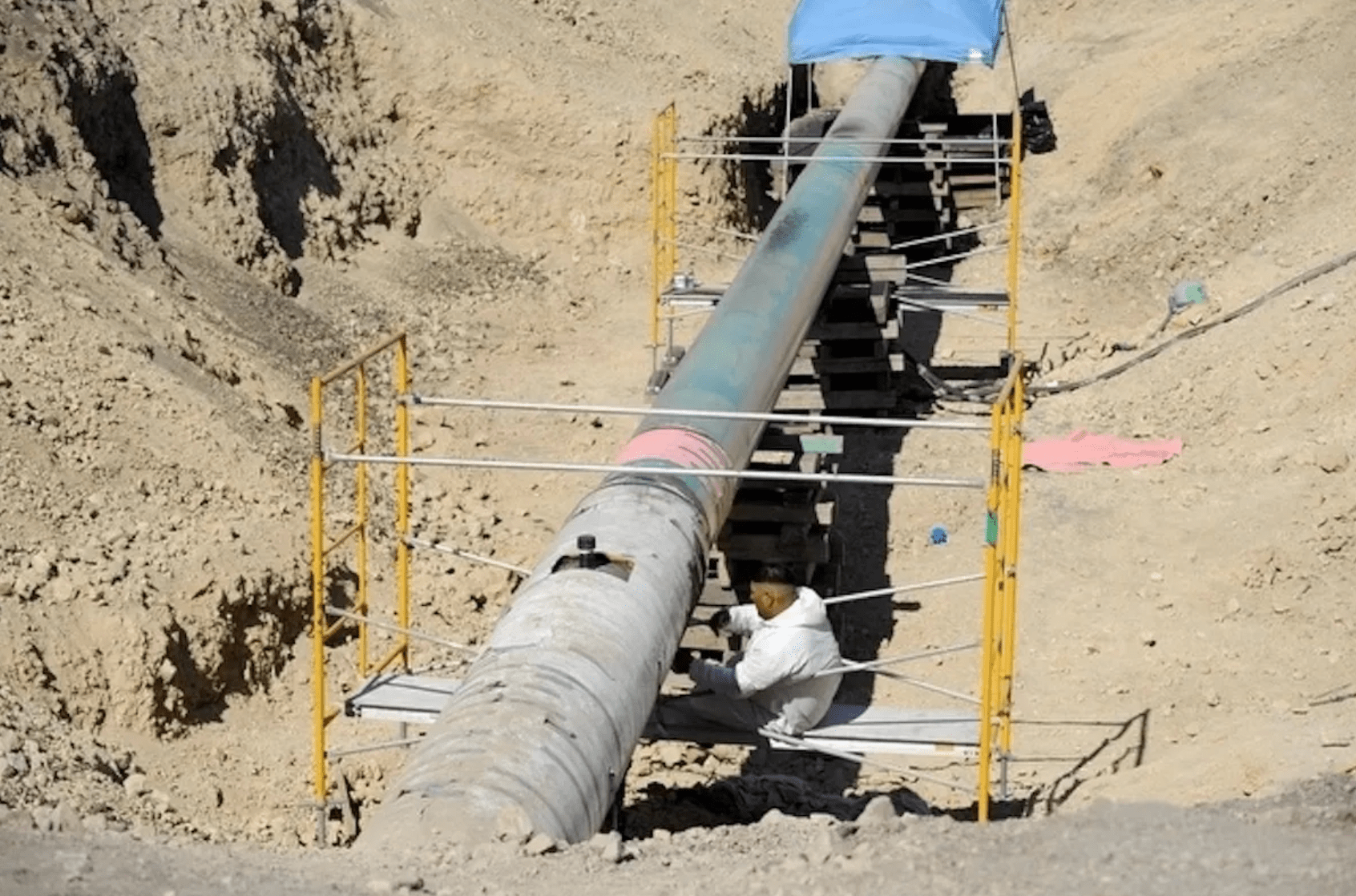
Gaiser’s opinion comes in response to Sable’s claims that the State Fire Marshal and various state agencies have obstructed their efforts to restart a pipeline that experienced a catastrophic leak in 2015, releasing 142,000 gallons of oil along the Gaviota Coast. The memo states that concerns over environmental protections could be sidelined as federal authority takes precedence over state regulations.
While the legal opinion lays out a framework for federal intervention, neither Trump nor the Secretary of Energy has officially invoked the Defense Production Act for Sable’s benefit. However, the stock market reacted swiftly, with Sable’s stock surging following the announcement.
A significant legal battle looms ahead. Just last week, Santa Barbara County Superior Court Judge Donna Geck upheld an injunction preventing Sable from resuming production until all necessary state permits are secured. Sable contends that the Pipeline and Hazardous Materials Safety Administration should now hold jurisdiction over the pipeline, contradicting the Fire Marshal’s authority.
The California Attorney General, Rob Bonta, and the State Fire Marshal are contesting the federal preemption. Judge Geck’s decision is set to be reviewed by a panel of federal judges later this summer, underscoring the urgent need for clarity in regulatory authority.
Linda Krop, chief counsel for the Environmental Defense Center, expressed grave concerns, stating, “The stakes are huge. This would allow the feds to ignore any and all environmental protections imposed by the state.” She emphasized that the federal government is poised to dictate actions on state property, which could lead to a major jurisdictional clash.
Sable requires permission from the State Parks Department to repair a four-mile section of pipeline that runs through a state park. The Parks Department is currently demanding more information from Sable before making a decision.
As tensions rise, state officials are preparing for a showdown. State Assemblymember Gregg Hart warned that the Trump Administration’s legal maneuvering will likely provoke another state lawsuit aimed at safeguarding California’s environmental interests. “Nothing happens fast,” he cautioned, emphasizing the complexity of the situation.
Meanwhile, State Senator Monique Limón criticized the DOJ’s opinion as an overreach. “This is yet another attempt for this administration to drill along our coastline despite bipartisan opposition,” she stated through her spokesperson. “Offshore oil drilling has bipartisan opposition because Californians have lived the consequences when things go wrong.”
With these developments unfolding, the implications for California’s coastal environment and regulatory authority are profound. The stakes are high, and all eyes will be on the upcoming judicial proceedings that could set a precedent for future energy production and environmental protection.
Stay tuned for updates as this situation develops. The battle for California’s coastline and its environmental protections is heating up, and the outcome could redefine state-federal relations in energy policy.