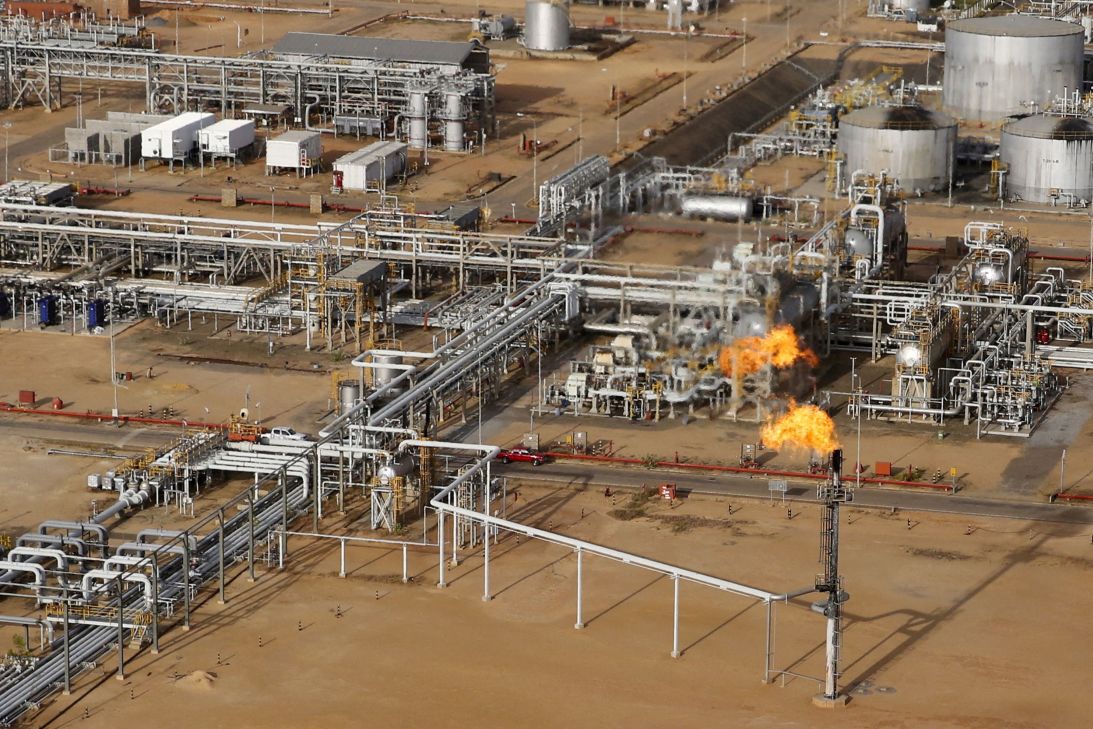
UPDATE: President Donald Trump is making headlines as he seeks to leverage Venezuela’s vast oil reserves, estimated at more than 300 billion barrels. This urgent development follows the controversial capture of Venezuelan President Nicolás Maduro. The implications are profound, with climate experts raising alarms over the environmental impact of extracting this oil, known for being among the dirtiest on the planet.
Venezuela’s oil, primarily found in the Orinoco Belt, is classified as heavy sour crude, akin to Canada’s oil sands. Its thick, viscous nature makes it energy-intensive to extract, requiring steam injection to make it flow. “The oil does not flow from the well as a liquid. It has to be heated,” explained Lorne Stockman, research co-director at Oil Change International. This process relies heavily on fossil fuels, further exacerbating climate concerns.
Experts warn that the extraction process is fraught with risks. Venezuela’s aging infrastructure raises the likelihood of methane leaks, flaring, and spills, contributing to immense climate pollution. According to the International Energy Agency, the methane intensity of oil operations in Venezuela is six times the global average. The current climate pollution from Venezuelan oil production is more than double that of the global average, as reported by Patrick King of Rystad Energy.
The urgency surrounding this situation cannot be overstated. If U.S. oil companies invest in Venezuelan oil, emissions could potentially decrease, but experts like King caution that substantial reductions may not be feasible. “There are limits to how much could be reduced,” he stated.
The environmental risks are alarming. The Venezuelan Observatory of Environmental Human Rights documented 199 oil spills between 2016 and 2021, but estimates suggest the true number may be much higher due to a lack of reporting by the national oil company. Stockman emphasizes, “Whether in Canada or Venezuela, we should not be digging this stuff up,” highlighting the severe implications for climate stability.
From an economic perspective, the feasibility of ramping up Venezuelan oil production is questionable. Since 2016, production has plummeted from approximately 2 million barrels per day to under 1 million barrels per day, largely due to U.S. sanctions and inadequate investments. Analysts estimate that sustaining current production levels will require over $53 billion in investment over the next 15 years, while scaling up to previous highs would demand a staggering $183 billion.
Climate experts warn that the global ramifications of increasing Venezuelan oil production could be catastrophic. “The most significant climate impact of a Venezuelan intervention wouldn’t be releasing vast new carbon—it would be indirect,” said Guy Prince of Carbon Tracker. This includes distracting from essential clean energy transitions and fostering instability that hampers coordinated climate action.
As the situation develops, the world will be watching closely. The potential for increased Venezuelan oil production raises critical questions about climate justice and the future of global energy policy. Will Trump’s ambitions lead to an environmental disaster, or can the extraction be managed sustainably? The answers remain uncertain, but the stakes have never been higher.