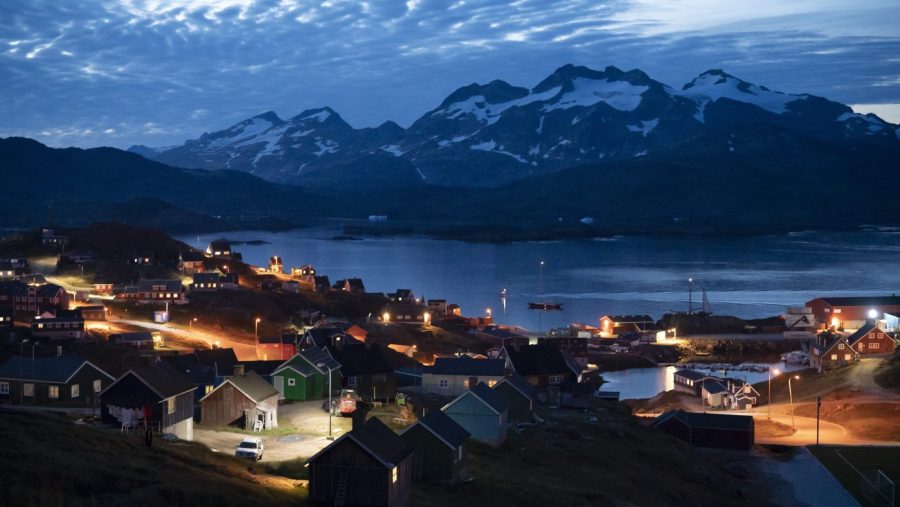
UPDATE: President Donald Trump has just announced that anything less than full U.S. control of Greenland is “unacceptable.” This urgent statement comes as NATO prepares for critical discussions regarding the strategic territory, with Vice President JD Vance set to host Danish and Greenlandic officials later today, September 27, 2023.
The implications of this announcement are profound, as it signals a renewed U.S. interest in Greenland, which is rich in natural resources and strategically located. Trump’s call for NATO intervention highlights the increasing importance of the Arctic region amidst global geopolitical tensions.
Officials report that Vance’s meeting is aimed at strengthening ties with Denmark and Greenland, but Trump’s insistence on American control raises questions about potential military and economic strategies in the area. The discussions are scheduled to begin at 2 PM local time.
This situation is developing rapidly, with many questioning the ramifications of Trump’s assertive stance. The desire for Greenland has historical roots, dating back to Trump’s initial interest in purchasing the territory in 2019, a move that was met with widespread criticism and ridicule. Now, the former president’s remarks suggest a shift in U.S. foreign policy priorities, focusing on territorial expansion.
The urgency of this announcement cannot be overstated. As global powers eye the Arctic for its untapped resources and strategic military advantages, the U.S. position could reshape alliances and provoke responses from nations like Russia and China, both of which have shown increased activity in the region.
“We need to ensure that Greenland is under U.S. control. Anything less is unacceptable,” Trump stated, underscoring the urgency of the situation.
With Vance’s meeting just hours away, the world watches closely. Analysts are already speculating on potential outcomes, including increased military presence in the Arctic and shifts in diplomatic relations. The implications for residents of Greenland and the broader international community are significant, as control of the region could lead to changes in environmental policy and resources management.
As the discussion unfolds, it remains crucial to monitor how NATO allies respond to Trump’s demands and what actions may follow. The stakes are high, and the global community is keenly aware that developments in this area will have lasting impacts for years to come.
Stay tuned for updates as this story develops. The urgency of Trump’s call for action regarding Greenland is set to redefine not just U.S. foreign policy, but the geopolitical landscape in the Arctic for the foreseeable future.