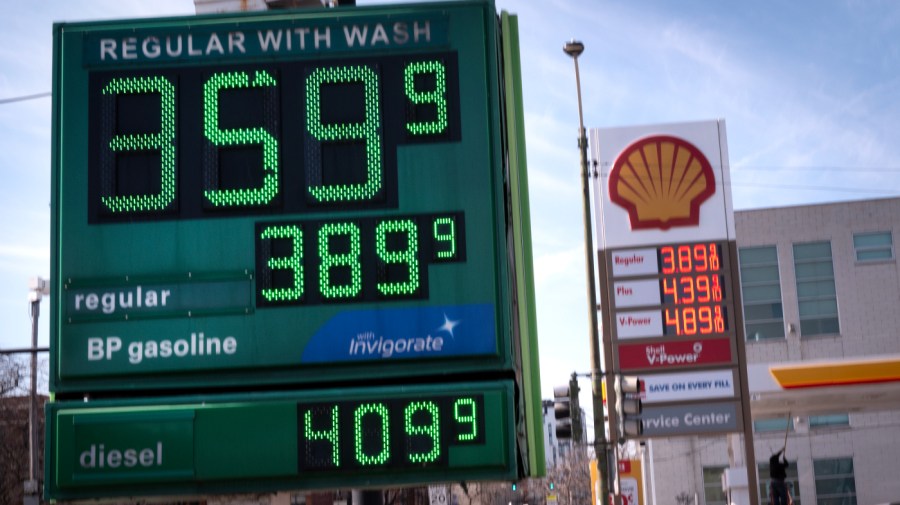
President Donald Trump announced on March 15, 2024, that he is considering changes to the Jones Act as a strategy to reduce soaring gas prices in the wake of escalating military actions in Iran. Since the U.S. launched its military offensive two weeks ago, fuel costs have surged, prompting discussions about potential regulatory adjustments.
The Jones Act, formally known as the Merchant Marine Act of 1920, mandates that all goods transported by water between U.S. ports must be carried on ships that are built, owned, and operated by U.S. citizens. Critics argue that these restrictions contribute to higher shipping costs, which in turn affects fuel prices across the nation.
During an interview on the podcast hosted by Brian Kilmeade of Fox News, Trump indicated that loosening these shipping regulations could provide immediate relief to consumers facing inflated gas prices. “We are looking at all options,” he stated, suggesting that adjusting the Jones Act could facilitate more competitive pricing in the fuel market.
The potential for change has sparked a debate among lawmakers and industry experts. Proponents of amending the Jones Act argue that it could enhance competition and lower costs for consumers. Conversely, opponents warn that weakening these regulations might jeopardize national security and the integrity of the U.S. maritime industry.
Gas prices have been on a steep upward trajectory, rising approximately 20% since the conflict in Iran intensified. This surge has fueled public concern and political pressure to address the affordability of fuel. In urban areas, some drivers report paying upwards of $4.00 per gallon, a significant increase from earlier this year.
As discussions continue, stakeholders from various sectors are weighing in. The maritime industry is particularly apprehensive about potential changes to the Jones Act, fearing that it could undermine domestic shipping capabilities. The American Maritime Partnership has voiced strong opposition, emphasizing the importance of the Act in maintaining a robust U.S. shipping fleet.
In contrast, the American Automobile Association (AAA) supports a review of the Jones Act, citing that increased competition could lead to lower prices at the pump. According to AAA, reducing shipping costs could translate to savings for consumers amidst rising fuel expenses.
The situation remains fluid as Trump and his administration evaluate various options. Any alterations to the Jones Act would require careful consideration of both economic impacts and national security implications. As the U.S. grapples with the ramifications of its foreign policy decisions, the potential changes could have far-reaching effects on both the energy market and American consumers.
In summary, President Trump is actively exploring modifications to the Jones Act to alleviate the burden of rising gas prices following military actions in Iran. With gas prices climbing rapidly, the outcome of these discussions could significantly affect consumers and the broader economy.