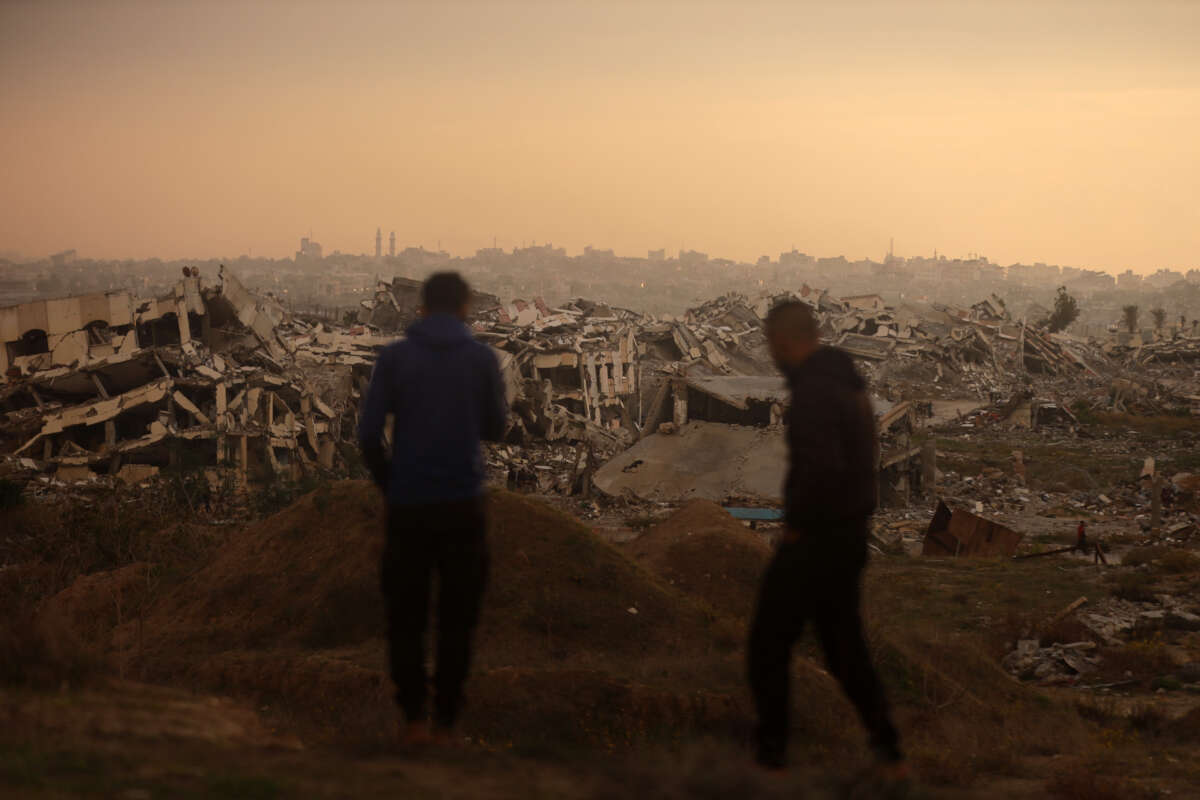
UPDATE: The Trump Administration is reportedly reevaluating its strategy for the Gaza Strip as tensions rise and international support wanes. New reports indicate a potential shift towards installing a Palestinian technocrat government and police force before deploying an International Stabilization Force (ISF), a move no country seems willing to support amid ongoing violence.
This urgent development comes as the U.S. is facing pressure from key allies, including Egypt, Türkiye, and Qatar, who have communicated that efforts to quickly disarm Hamas and occupy Gaza with a foreign military presence are untenable. The situation remains critical, with the humanitarian crisis deepening as violence continues.
Since the ceasefire began in October, reports confirm that Israel has killed at least 400 Palestinians and injured over 1,100 others, highlighting the dire need for a diplomatic solution. According to sources, the Trump administration’s initial plan appears increasingly out of touch with the realities on the ground, as no country has stepped forward to join the proposed ISF due to fears of international backlash and potential conflict.
As Israeli Prime Minister Benjamin Netanyahu prepares for a visit to Washington next week, silence from Israeli officials suggests they await this critical meeting to voice their objections to the emerging U.S. strategy. In a recent statement, U.S. Secretary of State Marco Rubio acknowledged the need for a more nuanced approach, saying, “You’re not going to convince anyone to invest money in Gaza if they believe another war is going to happen in two, three years.”
The Palestinian factions, including Hamas, have shown a willingness to negotiate terms regarding disarmament, a significant shift from past stances. While they refuse to accept complete disarmament, they are open to proposals that would allow for the storage or ‘freezing’ of their weapons. This development could pave the way for a more stable governance structure in Gaza, with local police forces taking on a more significant role.
International pressure has mounted as reports indicate that potential contributors to the ISF, such as Azerbaijan, have withdrawn their support, unwilling to engage in a conflict that would involve fighting Palestinians. This highlights a growing recognition that disarming Hamas cannot be achieved through force alone, and the U.S. must reconsider its approach to include diplomatic negotiations.
The coalition of Palestinian factions, including the Palestinian Authority and others, has played a pivotal role in this strategic shift. Their consensus reflects a broader understanding that unity among Palestinian groups is essential to counteract Israeli expansionist policies and to advocate for their rights on the international stage.
While this reassessment by the Trump administration may seem like a small victory, it underscores the resilience and strategic acumen of the Palestinian leadership. As tensions continue to mount, the international community watches closely to see how these developments will unfold in the coming days.
As the situation evolves, the focus now shifts to the upcoming discussions in Washington and the potential impact they may have on Gaza’s future governance and security. The world is waiting to see if a path toward lasting peace can emerge from these critical negotiations.
Stay tuned for more updates as this story develops.