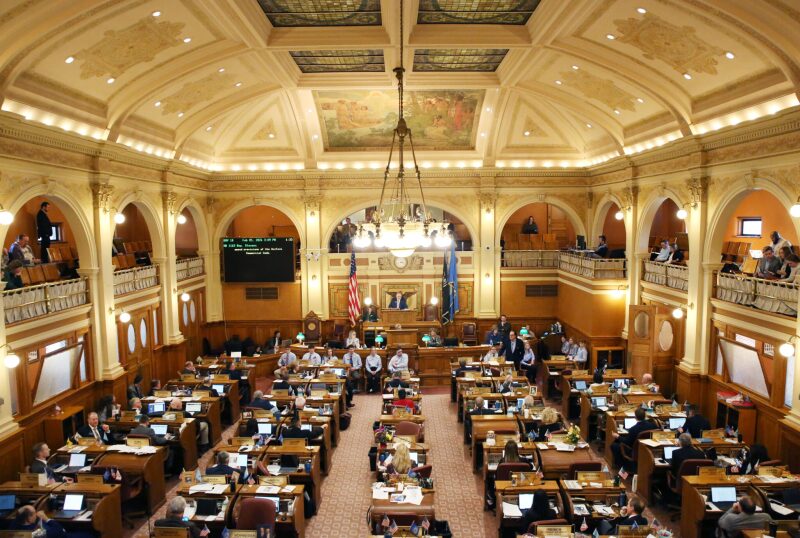
UPDATE: South Dakota lawmakers are taking urgent action this legislative session, introducing at least 28 bills aimed at addressing skyrocketing property taxes. With the session underway since early January, officials are pushing for solutions before it concludes in March 2024.
As property taxes for homeowners have surged nearly 70% over the past decade, pressure mounts on lawmakers to implement effective relief measures. An official task force had already recommended 19 proposals in October, with more set to be filed as discussions intensify.
Gov. Larry Rhoden is backing a significant bill that would allow counties to impose a 0.5% sales tax dedicated to property tax relief. This proposal aims to provide immediate financial relief to homeowners who are feeling the strain of increasing tax burdens.
On Thursday, Democratic legislative leaders indicated they plan to introduce their own property tax relief proposals soon, intensifying the push for bipartisan solutions. Senate Assistant Majority Leader Chris Karr compared the current legislative climate to a game of Whack-A-Mole, stating, “It’s going to be tough to get things exactly right, but we’re going to work at it.”
Currently, the South Dakota government relies primarily on sales tax revenue, while counties and schools depend heavily on property taxes. The state’s property tax revenue framework has become a hot topic, especially as rising costs affect the financial well-being of homeowners.
In another notable proposal, U.S. Rep. Dusty Johnson is advocating for capturing revenue from a scheduled sales tax increase to help reduce property taxes. Last year, the state reduced the sales tax rate from 4.5% to 4.2%, but this decrease is set to expire in 2027 unless action is taken.
Senate President Pro Tempore Karr expressed concern that a higher sales tax rate would only exacerbate the financial challenges faced by taxpayers. He stated, “No matter how bad we want property tax relief, that’s not right,” highlighting the complexity of finding a solution that feels fair to all citizens.
Lawmakers are also revisiting last year’s comprehensive property tax relief legislation, which capped residential assessment growth for five years and expanded eligibility for relief programs aimed at disabled and elderly residents. This year, Senator Randy Deibert has introduced a bill to raise the cap on new construction and growth from 3% to 5%, a move that could provide additional funding for rapidly growing communities.
During a recent Senate Taxation Committee hearing, Harrisburg’s Deputy City Administrator Heath VonEye warned that the current cap limits the ability of cities to fund essential services, saying that the loss of revenue could approach $3 million for Harrisburg alone if growth continues at expected rates.
Among the variety of bills currently under consideration, several stand out:
– Senate Bill 85 proposes requiring elections for schools to exceed property tax limits.
– House Bill 1168 offers a property tax credit for private school or homeschool expenses.
– Senate Bill 118 allocates $100 million annually for a homeowner tax rebate program.
However, not all proposals are moving forward. A significant bill by Senate Majority Leader Jim Mehlhaff to transition public education funding from property taxes to sales taxes was defeated in committee. This bill would have increased the sales tax rate significantly but faced strong opposition, highlighting the difficulties in navigating this complex issue.
As the session progresses, South Dakota lawmakers face the challenge of balancing the needs of taxpayers with the necessity of sustainable funding for local services. The urgency for property tax relief resonates deeply with residents, making this legislative session a crucial time for change.
Next Steps: As lawmakers discuss and refine their proposals, South Dakotans are urged to stay informed about the ongoing developments and how they may impact their financial futures. With the goal of enacting meaningful relief by March, the coming weeks will be critical in shaping the state’s approach to property taxes.