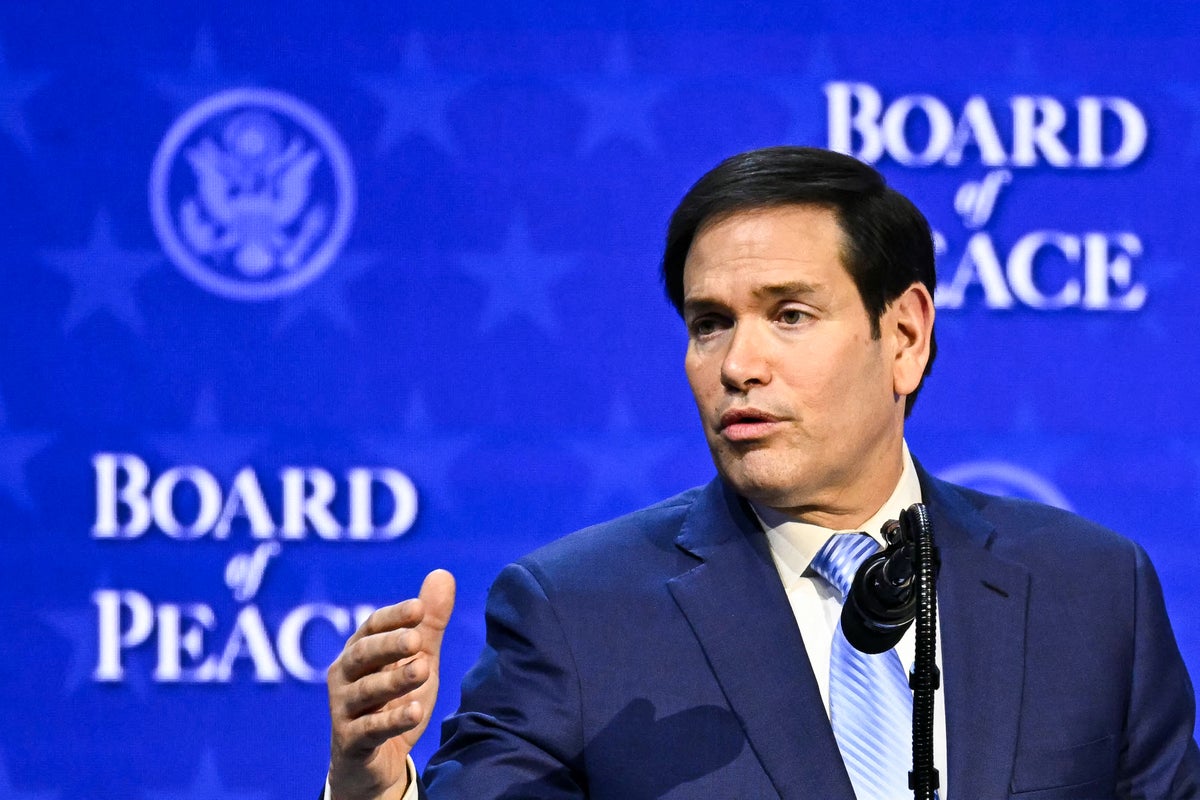
UPDATE: New documents reveal that Secretary of State Marco Rubio personally approved the arrest of five international student activists for their pro-Palestine advocacy. This explosive revelation comes as part of a legal battle against the Trump administration for what critics describe as an unconstitutional campaign targeting campus activists.
Unsealed by a federal judge on October 12, 2023, these documents indicate that Rubio authorized the deportation of prominent figures, including Columbia University student Mahmoud Khalil, who was arrested last year. The judge’s findings, delivered by District Judge William Young, reveal a “unconstitutional conspiracy” by Trump officials, including Homeland Security Secretary Kristi Noem, aiming to suppress free speech on campuses.
The documents indicate that Rubio directed the removal of activists based on their outspoken criticism of the war in Gaza, leading to arrests that threatened their First Amendment rights. One memo highlighted the case of Mohsen Madhawi, a green card holder, who was detained during a citizenship interview in April. The memo warned of potential legal scrutiny due to the likely connection between his advocacy and protected speech.
Notably, a senior diplomat had cautioned Rubio against these actions, predicting that targeting students over their advocacy could result in a “flood of lawsuits.” However, the Trump administration moved forward, alleging that the activists’ demonstrations against Israel were linked to antisemitism and support for terrorist groups. These claims have been firmly rejected by the students and their advocates.
In public statements, Rubio justified the arrests, asserting that the students’ presence undermines U.S. foreign policy and contributes to antisemitism. He has claimed to have revoked hundreds of student visas in response to activism, yet internal documents reveal that even Homeland Security officials acknowledged a lack of substantial grounds for deportation.
The controversy surrounding these arrests intensifies as four of the targeted students—Khalil, Madhawi, Rumeysa Ozturk from Tufts University, and Badar Khan Suri from Georgetown University—were released from Immigration and Customs Enforcement (ICE) custody last year after federal judges intervened. A fifth student, Yunseo Chung, secured a restraining order to prevent her arrest.
However, tensions remain high, with the Trump administration reportedly attempting to re-arrest Khalil following a recent federal appeals court decision that reversed his release. Ozturk was accused of engaging in activities supporting Hamas, yet an internal memo contradicted this, stating there was no evidence of antisemitic actions.
Judge Young expressed profound concern over the government’s actions, stating, “I find it breathtaking that I have been compelled in the evidence to find the conduct of such high-level officers of our government conspiring to infringe the First Amendment rights.” He emphasized the unprecedented nature of the case and questioned the motivations behind such a crackdown on lawful residents in the U.S.
The judge’s ruling indicates that any future attempts to deport these activists will likely be viewed as unlawful retaliation. As the situation develops, it underscores a critical confrontation between government authority and the rights of individuals advocating for change.
This urgent story highlights the ongoing struggle for free speech and the implications of government actions on activism in the U.S. As supporters rally around the affected students, the legal and political ramifications will continue to unfold in the coming weeks.