UPDATE: A startling report reveals that organized crime is reshaping the political landscape of Latin America, driving a shift towards right-wing governments in 2025. The rise in violence and illicit activities has forced nations to confront unprecedented security challenges and escalating migration crises.
According to the Global Initiative Against Transnational Organized Crime, there are now 39 organized crime groups operating across the region, with their activities becoming increasingly interconnected and sophisticated. These groups are not only fighting for territorial control but are also expanding their portfolios to include extortion, arms trafficking, and human trafficking.
Hugo Contreras, an organized crime specialist from the University of Development, states, “Organized groups stopped being just traffickers and adopted a portfolio of activities.” This diversification has led to a surge in violence and instability, compelling governments to rethink their approaches to crime and security.
The report highlights that Mexico, Ecuador, Brazil, and Haiti rank among the world’s most dangerous countries, based on rising homicide rates and conflict indicators. In Mexico, violence surged following the arrest of notorious cartel leader Ismael “El Mayo” Zambada in July 2024, while Ecuador is set to experience its highest homicide rate for the third consecutive year, with over 3,600 deaths attributed to gang-related violence.
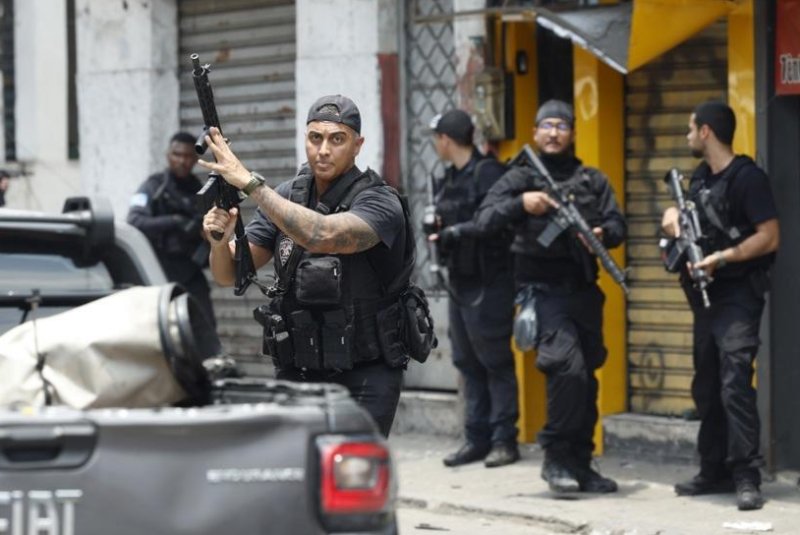
The situation is dire in Haiti, where gangs have exploited ongoing political instability, extending their reach beyond the capital, Port-au-Prince. In Brazil, fierce clashes over territory in cities like Rio de Janeiro have resulted in significant casualties, including 121 deaths in a recent police operation targeting the Comando Vermelho gang.
The wave of violence has prompted a political shift, with at least 10 countries in the region electing right-wing governments in the 2024-2025 period. These new administrations emphasize public order through increased military presence and tougher penalties. Pablo Carvacho from the Pontifical Catholic University of Chile noted that these governments often resort to emergency measures, relying on rapid executive decisions to combat the escalating crisis.
“Emergency policies alone will not stop its advance,” Carvacho warns. He emphasizes the importance of coordinated efforts among nations to tackle the financial assets of these organizations and mitigate the vulnerabilities that lead to recruitment, especially among youth.
The rise of organized crime not only endangers public safety but also threatens the very fabric of society in Latin America. As violence escalates, the need for comprehensive responses is more urgent than ever. Governments must act decisively, combining financial intelligence, international cooperation, and prison reforms to confront this growing menace.
As the situation develops, observers will be watching closely for further political shifts and the responses of these newly elected governments to the overwhelming challenges posed by organized crime. The time to act is now, as the clock ticks on the safety and stability of millions across the region.