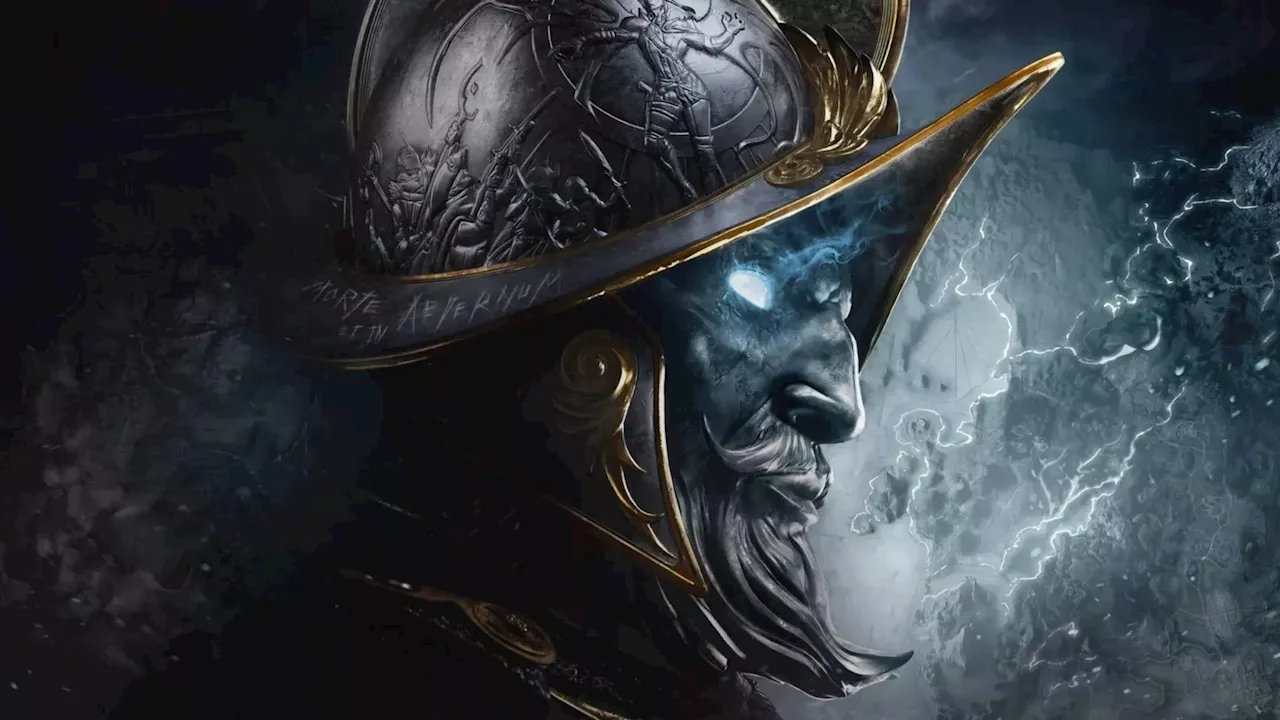
URGENT UPDATE: The MMORPG genre is in a state of crisis, prompting players to abandon new titles in favor of nostalgic classics. Despite groundbreaking technological advancements, recent releases have failed to capture players, leading to a concerning trend of returning to older games.
New data reveals that the MMORPG landscape is stagnating, with game developers increasingly hesitant to take risks. The genre, which once thrived, is now struggling to evolve, burdened by outdated funding models that prioritize short-term profits over innovative development. Players have expressed their disappointment, as modern MMORPGs often feel devoid of the depth and excitement they once promised.
Developers report that ambitious new titles frequently collapse under their own expectations or launch with minimal impact. This has left players yearning for the immersive worlds of earlier games, which still provide rich histories and engaging communities. Many players have invested thousands of hours into these older titles, fostering deep connections through guilds that feel like family. When new releases disappoint or shut down prematurely, it not only signifies a failed product but shatters the community bonds that players have built.
The MMORPG genre is not lacking in creativity; instead, it is stifled by a fear of failure from those who fund these projects. Executives prefer to invest in safer live service models, which can be quietly discontinued, rather than support the long-term vision required to create a thriving MMORPG. This cautious approach has led to a cycle of mediocrity, with developers recycling the same tired concepts, such as questing systems that have not evolved in over a decade.
As players face the harsh reality of abandoned projects and hollow early access launches, the industry is witnessing a growing disillusionment. Each new MMORPG announcement is met with skepticism, as fans brace for potential letdowns. Crowdfunded campaigns that promise revolutionary experiences often fall short, leaving players feeling betrayed.
The cruel irony is that, in an age of global connectivity and advanced online technology, MMORPGs should be thriving. Instead, the industry hesitates, diluting its ambitions and missing opportunities for genuine innovation. With every cautious release, the prospect of a transformative MMORPG drifts further away.
Players’ loyalty is being tested, and many are left wondering if the genre they once loved can ever reclaim its former glory. As the gaming landscape continues to evolve, the future of MMORPGs hangs in the balance. Will developers rise to the challenge or will players continue to seek solace in the past? The need for change is urgent, and time will tell if the genre can be revived.