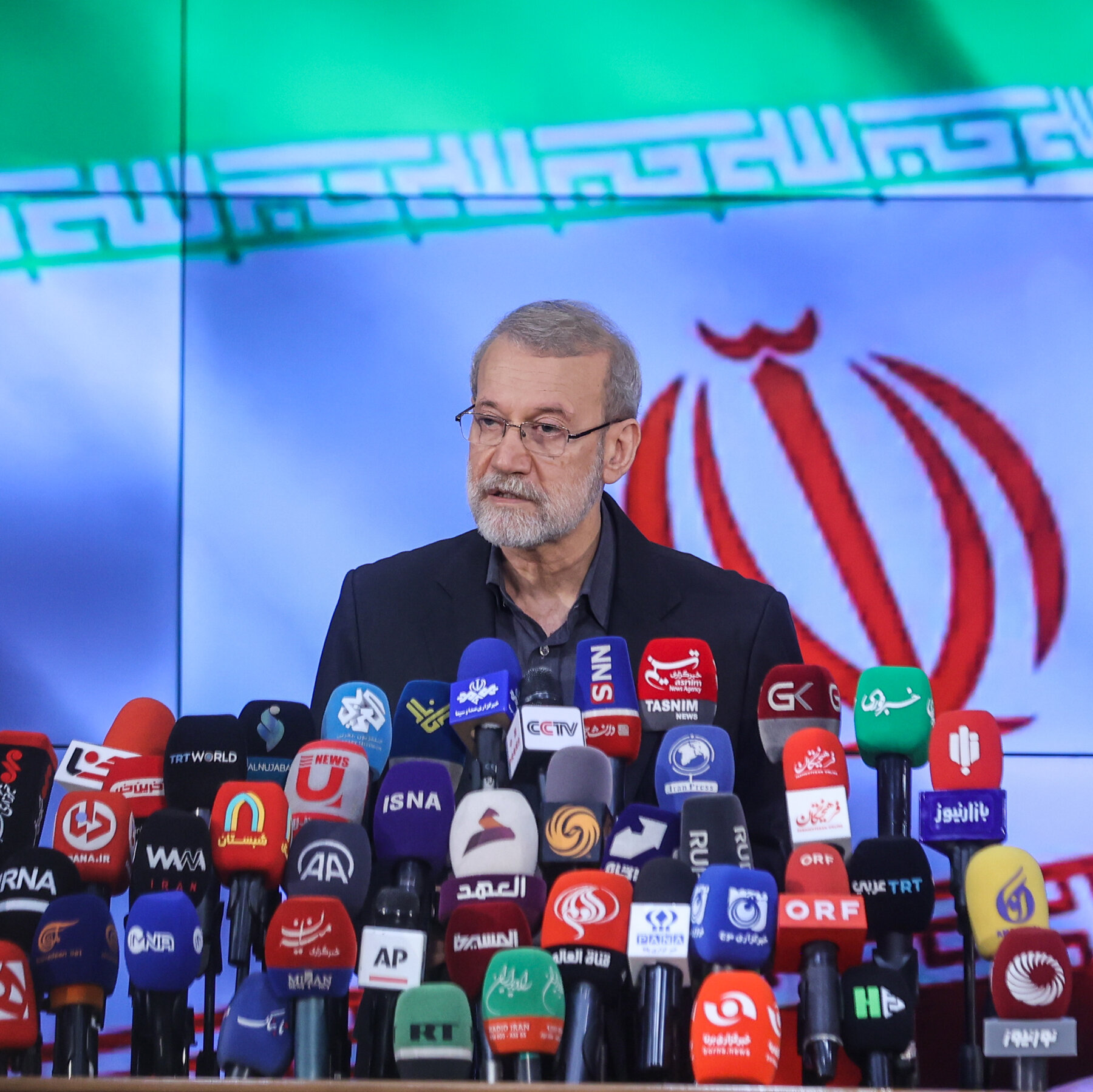
In a firm declaration, Ali Larijani, the head of Iran’s Supreme National Security Council, stated that Iran will pursue retaliation for the recent killing of a high-ranking leader associated with the nation’s governance. This statement underscores the Iranian leadership’s commitment to a defensive stance amidst escalating tensions.
Defiant Messaging from Iranian Officials
Larijani, a close ally of Ayatollah Ali Khamenei, emphasized that Iran will not surrender or cease its military actions in response to perceived threats. His remarks reflect a broader sentiment within Iranian leadership circles, advocating for a robust and confrontational approach regarding national security.
During a press conference held on October 15, 2023, Larijani reiterated the importance of avenging the killing, which he described as a significant blow to Iran’s sovereignty. “We will respond decisively to any aggression. Our resolve is unwavering, and we will not back down,” he stated, signaling a clear message to both domestic and international audiences.
Context of Rising Tensions
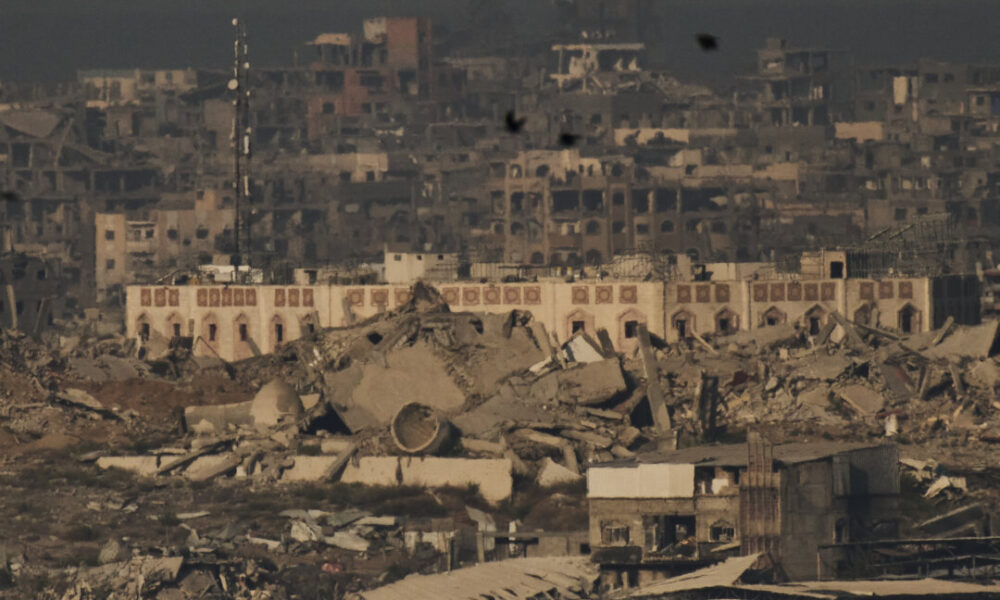
The remarks come in the wake of increased military confrontations in the region, particularly involving Iranian-backed groups in nearby countries. Analysts suggest that Iran is attempting to consolidate its influence and demonstrate military capabilities to both allies and adversaries.
Iran’s persistent military activities and its response to the killing highlight the complexities of geopolitical dynamics in the Middle East. Larijani’s comments may serve to rally domestic support while simultaneously warning other nations about the potential repercussions of direct interventions in Iranian affairs.
As Iran continues to navigate these turbulent waters, the international community watches closely, aware that the situation could escalate further. The implications of Larijani’s statements may have far-reaching effects on diplomatic relations and regional stability.
In summary, the firm stance taken by Iran’s leadership signals a commitment to a confrontational policy, raising concerns about an intensifying cycle of retaliation in the region.