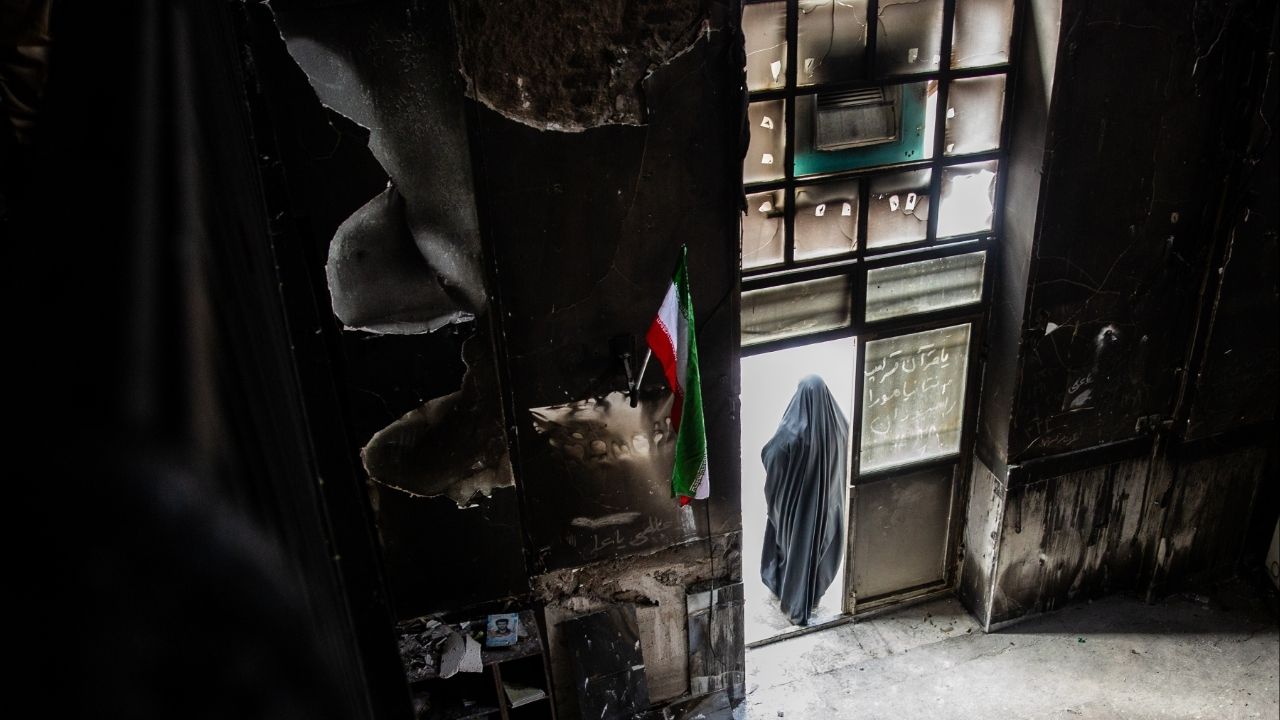
UPDATE: Iranians are defying government crackdowns as they gather for emotional memorials honoring victims of protests, marking the end of a traditional 40-day mourning period. On Tuesday, November 7, 2023, citizens rallied with patriotic anthems and chants against the clerical regime despite heavy security presence, as the government seeks to stifle dissent.
The memorials are significant, commemorating the thousands killed between January 8 and January 10 during widespread protests. Videos verified by The New York Times show security patrols in cities like Lesfijan and Abdanan, where families of victims gathered in defiance of intimidation tactics by authorities.
Dissidents are transforming somber memorials into vibrant acts of defiance against the government. Historian Arash Azizi stated, “They’ve reinvented this with a revolutionary rage,” highlighting the growing sentiment among Iranians to reclaim their national identity. The government’s efforts to control the narrative are evident, with plans for official mourning ceremonies in Tehran and Mashhad.
Security forces intensified their presence leading up to the memorials, aiming to intimidate families. Reports indicate that families, such as those of Robina Aminian, a 23-year-old protester killed during protests in Tehran, faced restrictions on public memorials. Her family was forced to bury her in a remote area to prevent gatherings at her grave, illustrating the regime’s ongoing repression.
Despite threats, many families are determined to honor their loved ones. For instance, the family of 17-year-old Mohammad Mahdi Ganj Danesh attempted to hold a memorial, even after being denied access to their local mosque. They rented an event hall instead, where crowds celebrated his life with chants and music, transforming mourning into a powerful statement against the government.
Videos from various locations show protesters gathering on rooftops at night, calling for the overthrow of Ayatollah Ali Khamenei. In Abdanan, demonstrators chanted “death to Khamenei” as they faced police forces deploying armored vehicles. The growing public dissent contrasts sharply with the government’s narrative of restoring order and fighting against “terrorists” allegedly backed by foreign powers, including the United States and Israel.
Rights organizations estimate that over 7,000 protesters have been killed since the unrest began, with the deadliest days occurring in early January. The government’s official figures, claiming more than 3,000 deaths, have been widely criticized as severely understated.
The 40th-day commemorations hold deep cultural significance, especially among Shiite Muslims, and have historically catalyzed social movements. The authorities are keenly aware of this and have made efforts to suppress any attempts at public mourning that could spiral into larger protests.
As this week unfolds, it remains to be seen whether these memorials will spark a new wave of protests or if the government’s heavy-handed approach will succeed in stifling dissent. Analysts like Farzan Sabet suggest that momentum for widespread protests may hinge on external factors, including potential military actions or negotiations involving U.S. forces.
What is clear is that the spirit of resistance is alive in Iran, as families transform grief into a powerful act of defiance. “Their sadness is defiant,” Azizi remarked, emphasizing that the battle for their nation’s future continues. As the world watches, these memorials serve not just as tributes to the fallen, but as bold declarations of Iran’s ongoing struggle for freedom and justice.