BREAKING: A Trump administration health official’s controversial remarks on measles vaccination have sparked outrage among public health experts. Kirk Milhoan, a pediatric cardiologist and chair of the Advisory Committee on Immunization Practices, suggested that allowing measles to spread could provide valuable insights into the disease’s impact.
In an interview on the podcast “Why Should I Trust You?” Milhoan questioned the necessity of vaccines for measles and polio, stating, “As you look at polio, we need to not be afraid to consider that we are in a different time now than we were then.” His comments have raised alarms as the U.S. faces a resurgence of measles cases not seen since the early 1990s.
Milhoan further stated, “When we talk about the risk of, let’s say, measles, many of those risks of not getting measles without having a vaccine was in the 1960s. We take care of children much differently now.” His assertion implies that improved sanitation and reduced crowding could be more effective than vaccination.
This controversial stance has drawn sharp criticism from experts like Joseph Allen, director of Harvard’s healthy buildings program. Allen labeled Milhoan’s comments as “an insane quote from the ‘top CDC vaccine expert’ who seems to want to run a measles experiment on our kids.”
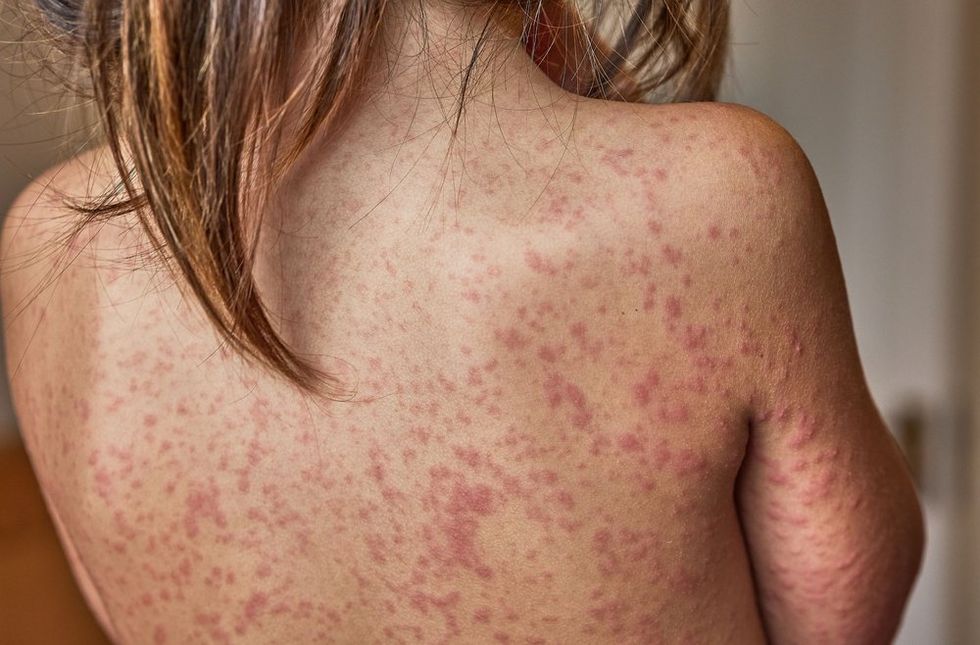
The implications of Milhoan’s comments are significant. Current outbreaks of measles are alarming, with transmission rates reaching concerning levels. While polio is nearly eradicated in most parts of the world, it continues to spread in regions like Pakistan and Afghanistan. Measles poses a serious public health risk, especially with recent increases in unvaccinated populations.
As health officials grapple with these remarks, the urgent question remains: What will be the consequences of allowing measles to circulate unchecked? Milhoan’s suggestion to observe the outcomes of unvaccinated individuals contracting measles has sparked a heated debate about the future of public health policy in the U.S.
Authorities are calling for a re-evaluation of vaccination strategies in light of these developments. Public health advocates emphasize the importance of vaccines in preventing outbreaks and protecting vulnerable populations.
Next Steps: Experts warn that any delay in addressing vaccination rates could lead to larger outbreaks of preventable diseases. As discussions unfold, the public is urged to stay informed about the risks associated with measles and the importance of vaccination.
This story is developing, and further updates will follow as officials respond to the backlash from Milhoan’s comments. Stay tuned for the latest information.