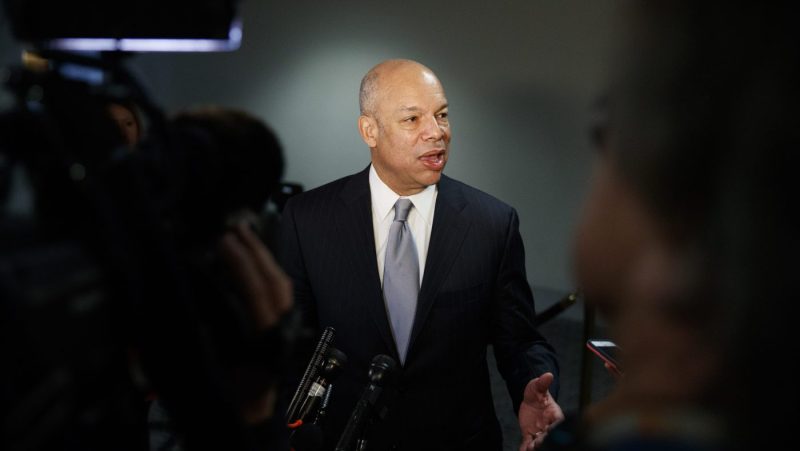
URGENT UPDATE: Former Secretary of the Department of Homeland Security (DHS), Jeh Johnson, has expressed serious concerns regarding the recruitment strategies of ICE (Immigration and Customs Enforcement), emphasizing that the rhetoric surrounding these efforts is alarming and potentially dangerous. In a statement made earlier today, Johnson criticized the phrase “Defend your culture,” suggesting it serves as a coded message for promoting the controversial Great Replacement Theory.
Johnson’s remarks come amid a heightened focus on ICE’s recruitment tactics, which he labels as divisive. “What does that mean?” Johnson questioned. “I think that’s a dog whistle, basically, for ‘Let’s go after the great replacement,’” he added, underscoring his worries about the implications of such language in recruitment campaigns.
This announcement is particularly significant as it highlights the ongoing debate about the motivations behind ICE’s hiring practices. Critics argue that these tactics could lead to a more aggressive and biased approach to immigration enforcement. Johnson’s comments resonate with many who fear that such recruitment strategies may attract individuals with extremist views and agendas.
The timing of this statement is critical, as immigration policy continues to be a hot-button issue in the U.S. Amid rising tensions surrounding immigration enforcement, Johnson’s insights urge the public and policymakers to scrutinize how recruitment language can influence the culture within ICE and its operations.
As discussions surrounding immigration and law enforcement escalate, observers are closely monitoring how ICE will respond to these criticisms. Will they revise their recruitment strategy to address these concerns, or will they continue with their current approach? This situation is developing rapidly, and the implications for U.S. immigration policy could be profound.
Stay tuned for further updates as this story unfolds, and consider how these recruitment practices might affect the landscape of immigration enforcement in the United States. The emotional stakes are high, with communities across the nation feeling the impact of immigration policies every day.