UPDATE: As professionals brace for the transformative work landscape of 2026, experts are urging individuals to rethink their approach to personal development. Amid rapid advancements in artificial intelligence and the normalization of remote work, the strategy to cultivate effective habits is shifting from rigid routines to mastering them as skills.
Just announced, this paradigm shift emphasizes viewing habits—like journaling, networking, or exercise—not as daunting tasks but as skills to be refined. This innovative perspective, gaining traction among productivity experts, draws on behavioral science and promises a more flexible path to self-improvement.
Recent insights from Lifehacker suggest that traditional habit-building methods, which often promote an all-or-nothing mentality, fall short in today’s fast-paced environment. Instead of setting unattainable goals, professionals are encouraged to embrace the learning curve inherent in developing new skills, akin to how a novice coder learns to write software.
As Stanford’s behavior design lab highlights, approaching habits as skills reduces the pressure of perfection and fosters resilience. Neuroscientists affirm that the brain’s basal ganglia, responsible for habit formation, operates similarly to areas linked to skill acquisition. This means individuals can allow themselves room for trial and error without the stigma of failure.
IMMEDIATE IMPACT: The shift to skill-oriented habit formation is crucial as success in 2026 hinges on adaptability. Executives are already integrating this approach into corporate training programs to combat burnout and align professional development with evolving market demands. According to productivity influencers on X, tracking progress consistently is essential for maintaining momentum as one would in a professional certification course.
Experts recommend picking just 3 to 5 habits to focus on for 30 days to minimize mental fatigue. This method, endorsed by Success Knocks, promotes habit stacking—pairing new skills with established ones to enhance retention and ease the adoption process.
For instance, if improving productivity is the goal, professionals should break this down into manageable skills, such as eliminating distractions through timed focus intervals or mastering energy management with sleep tracking apps. This structured approach mirrors techniques used by top executives, allowing for gradual mastery of personal growth.
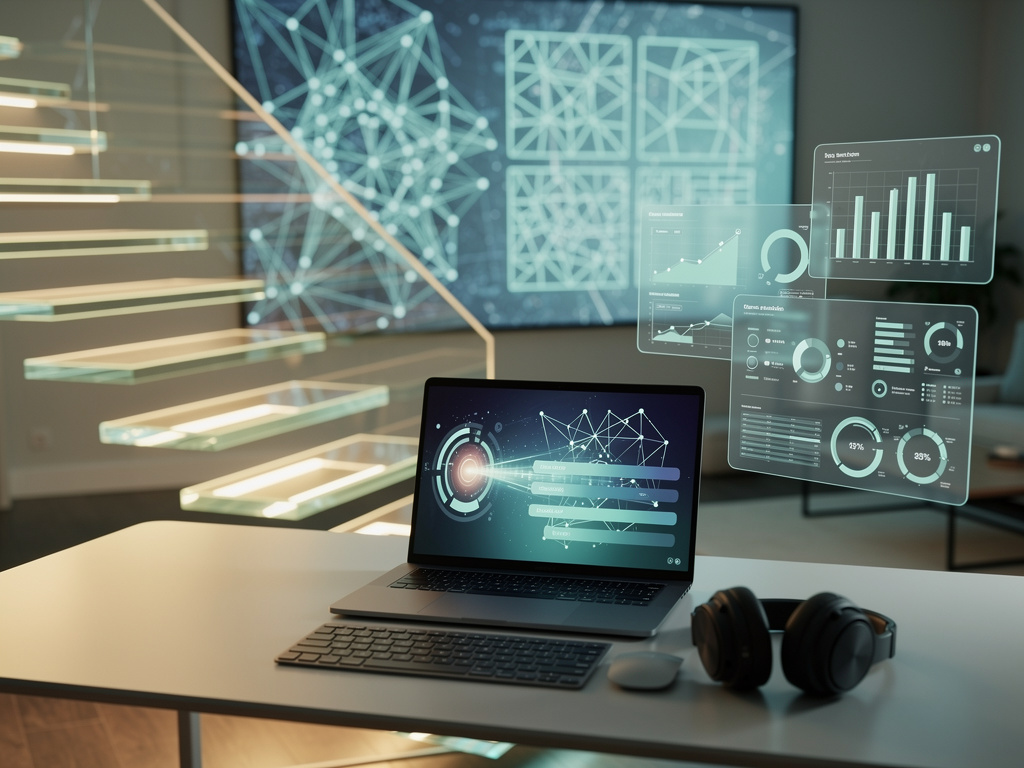
The tools available in 2026 amplify this learning process. Wearables and AI coaches provide real-time feedback, transforming habit formation into a data-driven endeavor. As noted by BBC Future, leveraging emotional states—like channeling frustration into focused productivity—can also enhance performance.
WHAT TO WATCH FOR: As this trend evolves, companies are recognizing the need for environments that support skill development. Reports from IMD indicate that organizations prioritizing flexibility and inclusion are fostering resilience in their workforce, which is increasingly essential in today’s dynamic work landscape.
Real-world case studies illustrate the effectiveness of this mindset. Tech entrepreneurs are starting small, aiming for one networking outreach daily, while finance professionals are refining data analysis skills for better decision-making. This grassroots movement highlights a cultural shift: habits are now seen as learnable capabilities rather than fixed traits.
In light of the unique challenges posed by 2026, from talent wars to economic fluctuations, professionals are encouraged to adapt their strategies. Discussions on X emphasize foundational skills like deep work and healthy living as crucial for sustained success.
As industry leaders advocate for these shifts, the integration of skill-based habit formation is gaining momentum, promising an empowering and compassionate approach to personal growth. By treating habits as skills, individuals can navigate the complexities of the evolving workforce with confidence and resilience.
SHAREABLE INSIGHT: The future of work hinges not just on adopting new tools, but mastering the skills necessary to thrive in an AI-driven landscape. Embracing habits as skills offers a practical roadmap for personal and professional advancement in 2026 and beyond.