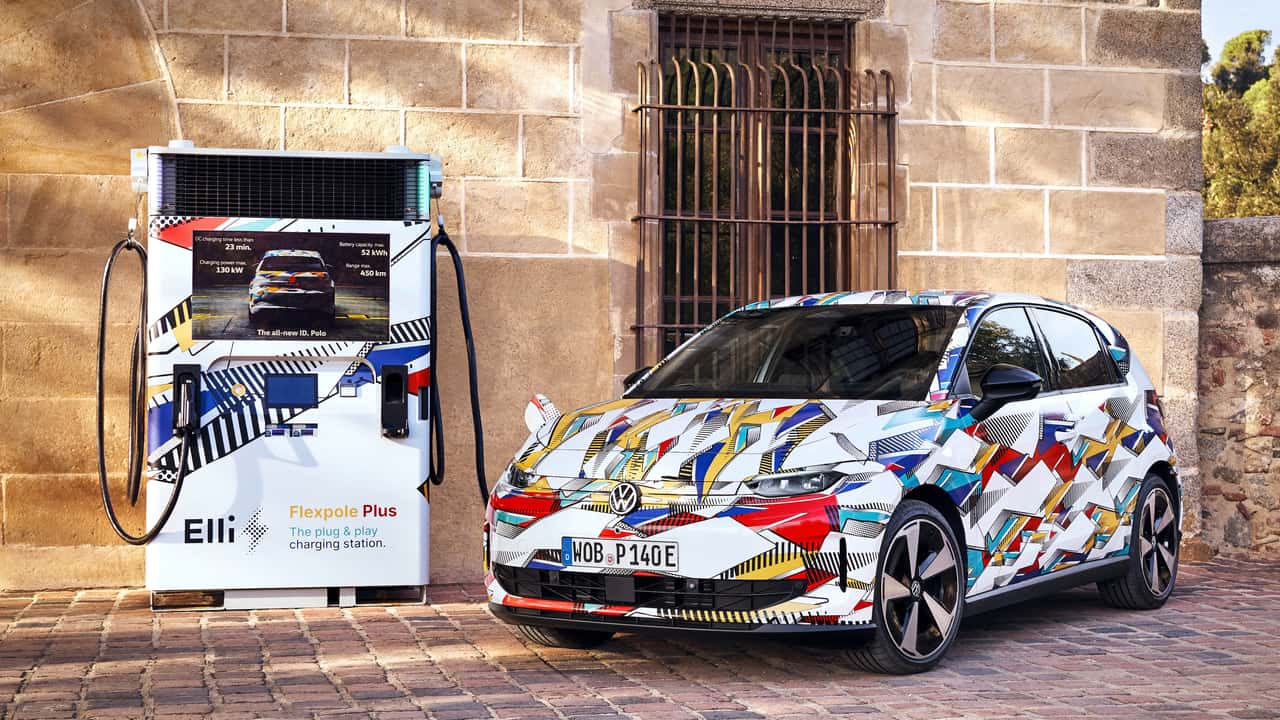
UPDATE: The European Union has just announced a groundbreaking initiative to promote small electric vehicles, creating a new subcategory known as “M1E.” This category, which allows cars measuring no longer than 4.2 meters (165.3 inches), aims to accelerate the adoption of electric vehicles (EVs) across the region.
The EU’s “Automotive Package” introduces super credits for M1E-certified vehicles, granting each a compliance advantage of 30 percent toward CO2 emissions targets. This means that for every M1E vehicle produced, automakers will receive credit as if they produced 1.3 vehicles, rather than the usual 1. This initiative is expected to encourage manufacturers to focus on developing affordable small EVs, essential for driving widespread adoption.
Authorities report that these vehicles must be fully electric and manufactured within one of the EU’s 27 member states. This requirement not only supports local jobs but also helps mitigate competition from international markets, particularly from China. The EU aims to freeze the requirements for this new class for 10 years, providing stability for automakers in long-term planning.
In addition to compliance benefits, M1E vehicles could enjoy various incentives, including subsidies, tax breaks, and discounted charging. Owners may also have exemptions from road tolls and gain preferential access to lanes or parking spots. With this regulatory shift, the EU is signaling a strong commitment to an electric future, despite recent discussions around loosening fleet emissions targets for combustion engines beyond 2035.
Several automakers have already expressed interest in the M1E category. Models such as the Renault Twingo, Volkswagen Group’s ID. Polo, and Stellantis’ Citroën e-C3 qualify, while others like the Hyundai Inster do not, as they are produced outside the EU. This clear framework aims to make it easier for consumers to choose electric options while encouraging manufacturers to innovate.
The EU still mandates a 90 percent reduction in CO2 emissions by 2035 compared to 2021 levels, with remaining emissions offset by vehicles utilizing e-fuels and low-carbon materials. The introduction of the M1E class will also help automakers meet intermediate emissions targets leading up to the middle of the next decade.
Moreover, the EU is easing compliance by allowing manufacturers to “bank and borrow” emissions credits over a three-year period, a mechanism already in place for 2025-2027 that will be extended through 2029. This flexibility is critical as stricter targets are set for 2030-2032, promoting a smoother transition toward greener technologies.
As EV adoption continues to gain momentum, the latest data reveals that 16.4 percent of new cars sold in the EU during the first ten months of the year were fully electric. Including Iceland, Liechtenstein, Norway, Switzerland, and the UK, that figure rises to 18.3 percent.
While the decision to ease restrictions on combustion engines may raise eyebrows, the M1E category is a crucial step toward making electric vehicles more accessible and affordable. The EU’s strategy reflects a commitment to a sustainable future, emphasizing that the transition must include small, practical electric models to truly capture consumer interest and drive change.
Stay tuned for further updates on the implementation of the M1E category and its impact on the automotive industry.