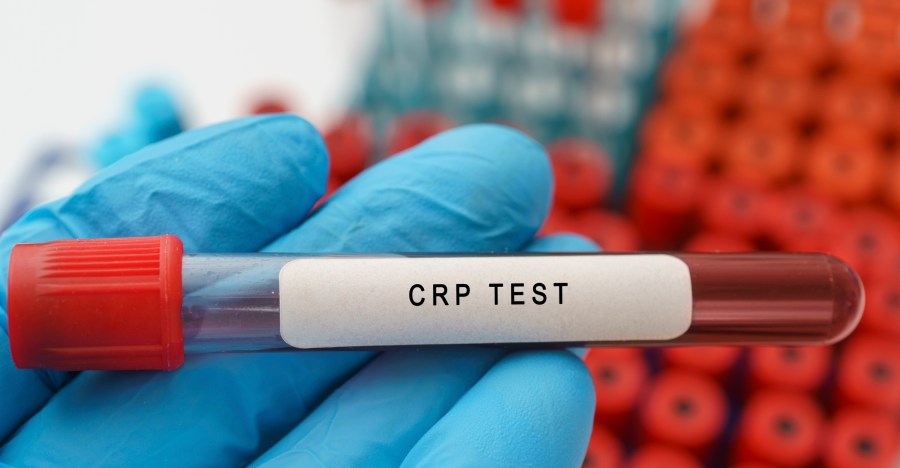
BREAKING: New research reveals that C-reactive protein (CRP) is now recognized as a more significant risk marker for heart disease than previously thought cholesterol levels. This urgent update is crucial as heart disease remains the leading cause of death in the United States.
Health experts have long relied on cholesterol measurements to assess heart disease risk, a practice that began in the 1950s. However, the latest findings challenge this paradigm, showing that CRP levels may provide a more accurate indication of a person’s heart health. This shift could change how doctors approach cardiovascular risk assessments, particularly for those with normal cholesterol levels but who may still be at risk.
The crucial findings stem from a comprehensive review of existing research conducted by leading health organizations. This review highlights the inflammatory response indicated by CRP as a powerful predictor of heart disease, potentially altering clinical practices across the country.
As heart disease continues to claim over 697,000 lives annually in the U.S., understanding these new markers is vital. Patients and healthcare providers alike need to be aware of these developments, as they could lead to earlier interventions and better health outcomes for millions.
Moving forward, medical professionals are urged to incorporate CRP testing alongside traditional cholesterol-level assessments in routine evaluations. This change is expected to enhance the screening process for heart disease, particularly for patients who may not exhibit typical risk factors.
This evolving understanding of heart disease risk underscores the importance of continual research and adaptation in clinical practices. Patients should discuss these findings with their healthcare providers to ensure they receive the most accurate evaluations of their heart health.
Stay tuned as more updates on this significant health breakthrough emerge, and consider sharing this vital information with others to raise awareness about the changing landscape of heart disease risk assessment.