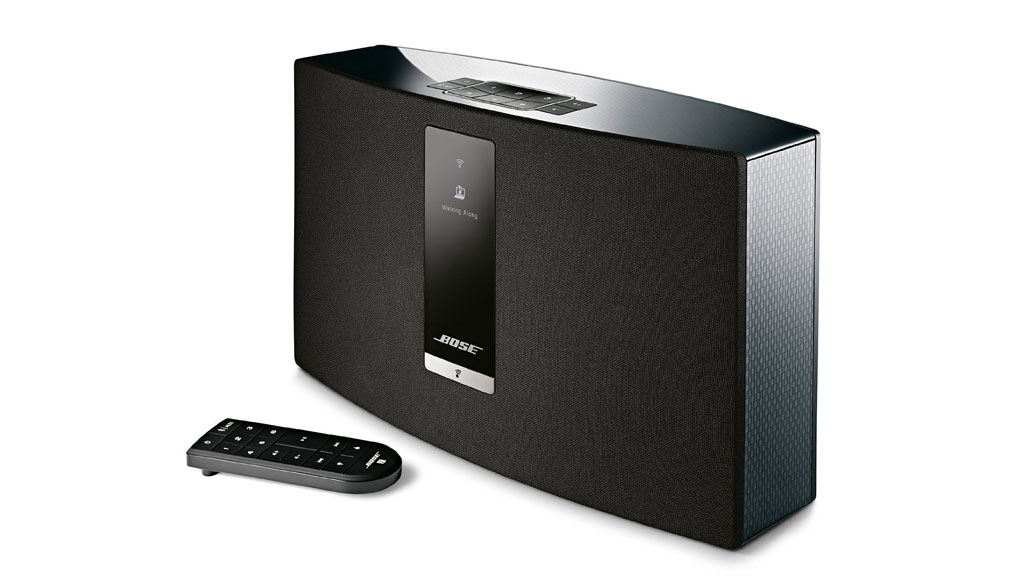
UPDATE: In a groundbreaking move for tech consumers, Bose has confirmed that its ancient SoundTouch speakers will remain functional despite the planned shutdown of cloud services in May 2026. Instead of rendering these devices obsolete, Bose is ensuring they continue to operate with Bluetooth and AirPlay.
This decision comes as a relief for countless users who invested in these multi-room wireless speakers, originally priced at around $399 (£350, AU$549). Bose announced earlier today that the speakers will lose cloud-based functionalities, but essential features like Spotify Connect and AirPlay will still work. This is a significant departure from how other companies, like Sonos, have handled similar situations.
Bose stated that the discontinuation of cloud services is due to the inability to sustain the infrastructure necessary for these older products. However, the company has taken proactive steps to ensure users can still enjoy their devices without interruption. They have published an API for third-party developers to enhance functionality and provided detailed instructions for continued use.
As of now, the SoundTouch app will transition to a version that supports key functions without relying on the cloud. Users will still be able to control their systems over Wi-Fi and connect via HDMI or optical connections. However, features like SoundTouch streaming will be discontinued. Instead, users can continue to utilize services like TuneIn and Pandora by streaming directly to their SoundTouch systems through Bluetooth or AirPlay.
Bose first announced the server shutdown in October 2025, but in a recent update, they have extended the timeline to May 2026, giving customers ample notice to prepare for the changes.
Quote from Bose: “With this version of the app, you will be able to control any system that is on the same Wi-Fi network as your phone. You will still be able to set up, configure, remotely control, and group systems through the app.”
This approach by Bose contrasts sharply with past incidents where companies have required customers to “brick” their devices to qualify for upgrades or discounts. Notably, Sonos faced backlash in 2019 for similar practices, further emphasizing Bose’s commitment to customer satisfaction and longevity of product use.
The implications of Bose’s decision resonate beyond just SoundTouch owners. It sends a powerful message to potential buyers about the company’s values and commitment to supporting older technology. As consumers increasingly invest in smart devices, Bose’s proactive measures may set a new standard in the industry.
With this latest development, Bose has positioned itself favorably in the competitive audio market, setting an example for how to manage product obsolescence.
Stay tuned for more updates on this evolving story as Bose continues to redefine user experience in the tech landscape.