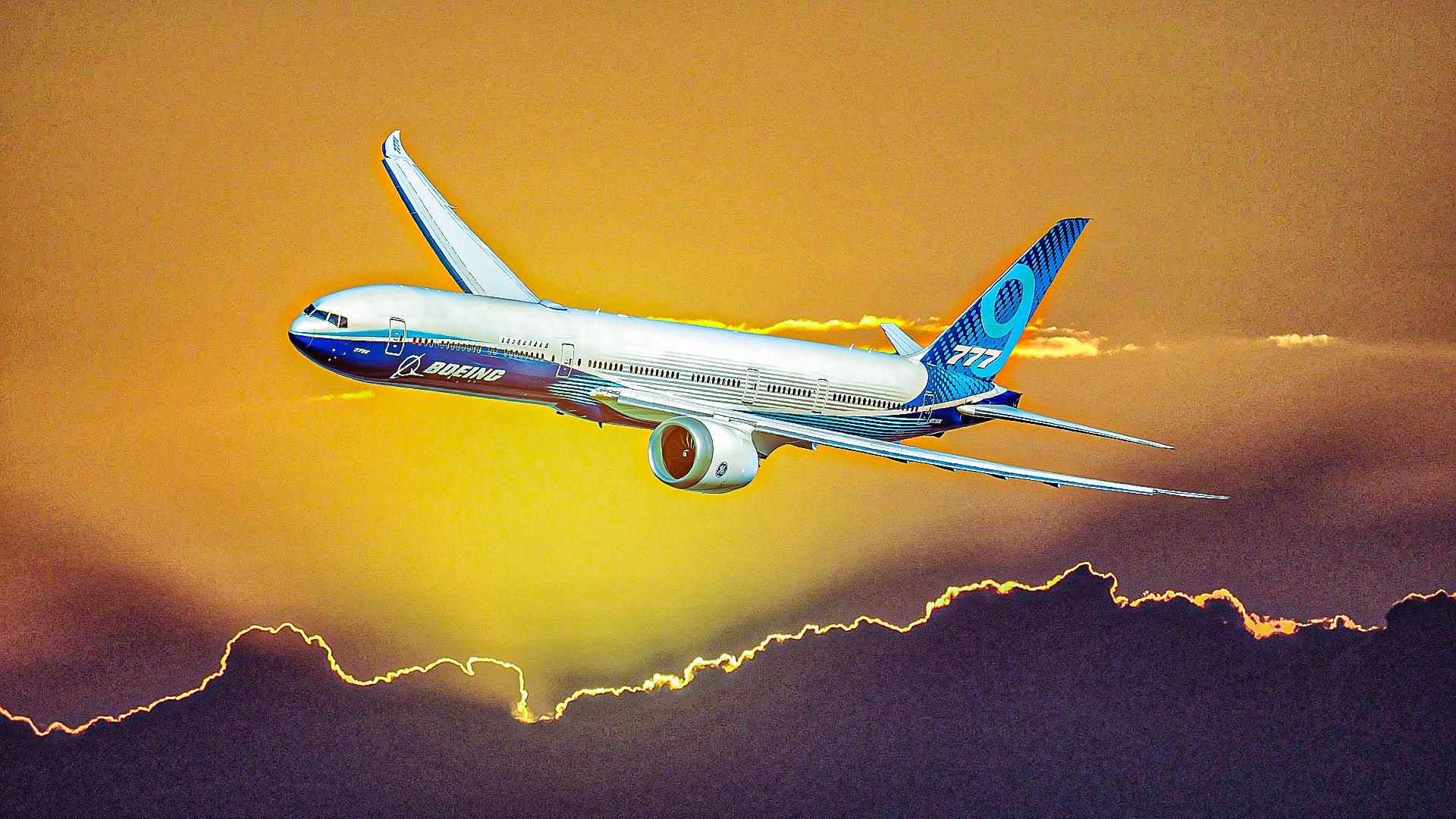
The development of the General Electric GE9X marks a significant milestone in aviation engineering. This engine, designed specifically for the upcoming Boeing 777X, is recognized as the largest aircraft engine ever constructed. It is set to propel the 777X into commercial service, with expectations for its operational debut now aimed at 2027.
GE9X Specifications and Innovations
The GE9X is a high-bypass turbofan engine that has evolved from the successful design of the GE90, which powers the current Boeing 777 models. Ground testing of the GE9X commenced in 2016, with its inaugural flight test occurring in 2019 on a modified Boeing 747-400, the only aircraft capable of carrying its size. Certification was achieved in late 2019, paving the way for the 777X’s first flight, which took place in January 2020.
This engine boasts a remarkable diameter of 161 inches, surpassing even the fuselage of a Boeing 737. The fan, composed of 16 composite blades, measures 134 inches and utilizes advanced materials like ceramic-mix composites, making it lighter than its predecessors while maintaining durability. The GE9X achieves a bypass ratio of 10:1 and a compression ratio of 60:1, enhancing its fuel efficiency by 10% compared to the GE90.
Thrust Generation and Environmental Considerations
Capable of generating up to 110,000 lbf of thrust, the GE9X excels in its design that prioritizes air bypassing the turbines. This configuration allows for increased airflow, extracting more power from a given amount of fuel. Higher combustion temperatures further contribute to its performance. As the aviation industry increasingly focuses on sustainability, the GE9X’s efficiency positions it as a strong contender in meeting net-zero emission goals.
While the GE9X outperforms the Rolls-Royce Trent XWB in thrust, its design and fuel efficiency are crucial factors in defining a successful engine.
The Boeing 777X: Expectations and Delivery Challenges
The Boeing 777X is poised to become Boeing’s flagship widebody aircraft, available in two primary passenger variants: the 777-8 and the larger 777-9. Airlines expect this aircraft to replace older models and provide enhanced fuel efficiency over the Boeing 747. Despite its promise, the 777X program has faced numerous setbacks, with delays pushing the expected delivery date to 2027—approximately seven years behind schedule.
Airlines such as Emirates, which has placed an order for 270 units, have expressed frustration over these delays. The order consists of 35 smaller 777-8s and 235 larger 777-9s. In response to concerns, Boeing’s Customer Leader for 777Xs and Freighters, Justin Hale, emphasized the company’s commitment to maintaining communication with all customers and ensuring progress on certification.
Market Outlook and Current Orders
Emirates will become the largest operator of the 777X, utilizing the aircraft as a replacement for older 777-300ERs and to expand its fleet capacity. Other notable customers include Qatar Airways and Singapore Airlines, both of which have significant orders. As of now, the current distribution of orders reflects a strong demand for the 777X, particularly the 777-9 variant, which has garnered more attention than the 777-8.
The anticipated challenges surrounding the Boeing 777X project have yet to significantly impact existing orders. Following a series of controversies linked to other aircraft models, Boeing is eager to ensure that the 777X meets the high expectations set by both the market and its customers.
With its advanced technology and impressive specifications, the Boeing 777X, powered by the GE9X, is expected to redefine the widebody aircraft segment. As the aviation industry prepares for its entry into service, all eyes will be on Boeing to deliver on its ambitious timeline.