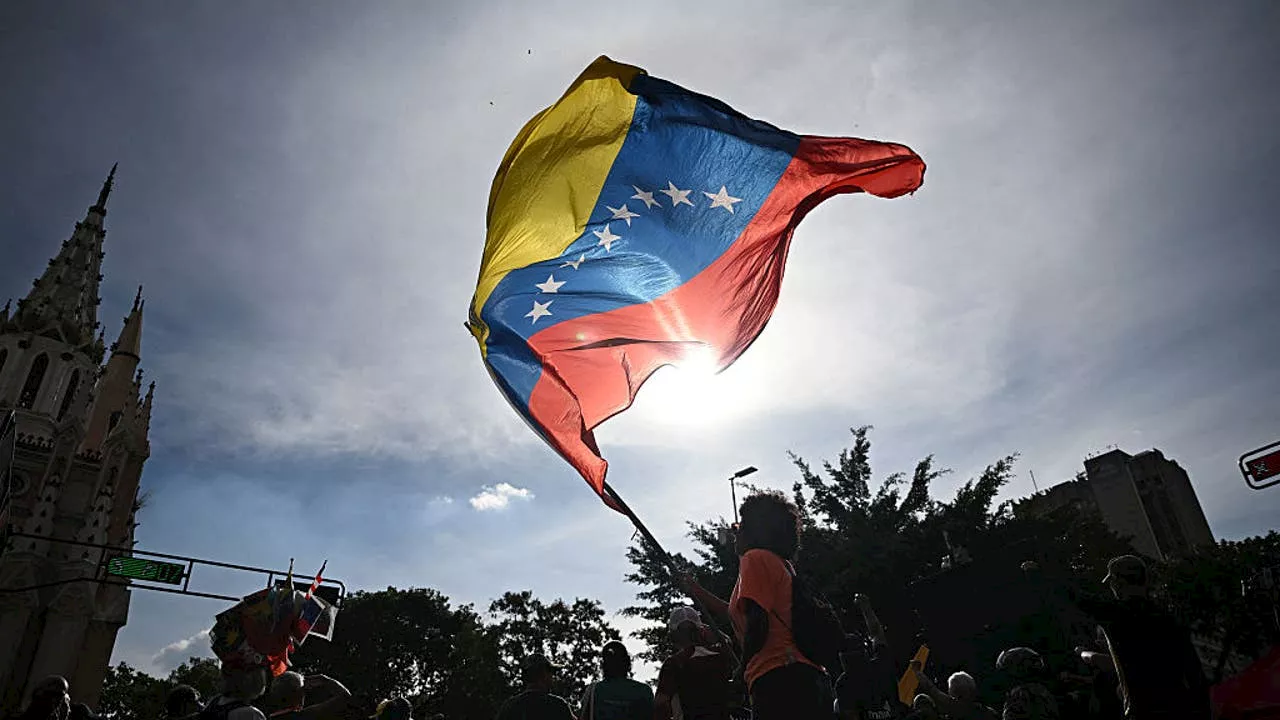
BREAKING: Recent polling reveals a significant divide among Americans regarding U.S. military intervention in Venezuela, particularly concerning the capture of President Nicolás Maduro. As tensions escalate, public opinion is largely against deeper U.S. involvement, with only 45% supporting potential military action, according to a survey conducted by The Washington Post and SSRS.
URGENT UPDATE: Amid growing uncertainty about the future of Venezuela, the American public remains hesitant about the U.S. taking control of the country and choosing its new government. Approximately 9 in 10 Americans believe the Venezuelan people should be the ones to decide their leadership, highlighting a widespread wariness of foreign intervention.
Polling data also shows that 4 in 10 Americans approve of the U.S. military capturing Maduro, while a similar percentage opposes it. This division is evident across political lines, with many Republicans expressing support for military action, while Democrats largely oppose it.
In a December 2023 Quinnipiac poll, 60% of registered voters opposed U.S. military action in Venezuela, indicating a sustained reluctance for military engagement. Trump’s vague assertions about “running” Venezuela post-Maduro have raised questions among lawmakers about the administration’s planning and intentions.
“I was captured,” Maduro stated in a New York courtroom, where he pleaded not guilty to federal drug trafficking charges. He described himself as “the constitutional president” of Venezuela, claiming innocence amidst a backdrop of serious allegations against him and his administration.
A 25-page indictment accuses Maduro and his associates of collaborating with drug cartels to transport thousands of tons of cocaine into the U.S. If convicted, they face potential life sentences. The indictment reveals disturbing claims of kidnappings and murders linked to Maduro’s drug operations.
Current U.S. officials report that any planning for U.S. governance in Venezuela is limited to a small circle of Trump’s political allies, raising concerns about the effectiveness and clarity of such plans. The White House has not provided detailed responses to inquiries about the situation, leaving many to question the administration’s level of preparedness.
WHAT’S NEXT: As the U.S. grapples with its role in Venezuela, public sentiment continues to evolve. Observers are closely watching how the situation unfolds, particularly any potential military actions or further declarations from the Trump administration.
This developing story will continue to shape U.S. foreign policy and public opinion, making it essential for Americans to stay informed. Share your thoughts and stay tuned for updates as this situation progresses.