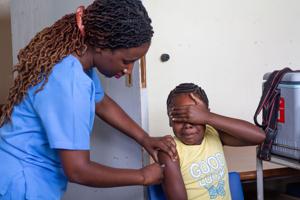
In a significant initiative to promote cervical cancer vaccination among young girls in Africa, health officials partnered with a regional Under-17 girls’ soccer tournament held in Norton, Zimbabwe. The event featured teams from across southern Africa, including Lesotho’s Lishoeshoe soccer club and South Africa’s Mamelodi Sundowns.
The tournament, which took place on March 15, 2024, aimed not only to showcase young talent but also to raise awareness about the importance of vaccination in preventing cervical cancer. Health officials distributed information and resources to players and attendees, emphasizing the critical role of vaccinations in protecting against this preventable disease.
During the tournament’s final match, Lishoeshoe found themselves trailing by four goals at halftime against Mamelodi Sundowns. Despite their efforts, they could not turn the game around, with the final score reflecting the challenges they faced on the field.
The tournament attracted numerous spectators, illustrating the potential of sports as a platform for health education. Dr. Sarah Moyo, a local health official, stated, “This event provides a unique opportunity to engage young girls and their families about cervical cancer and the importance of vaccination. The enthusiasm shown by these young athletes is promising for future health initiatives.”
Throughout the tournament, educational booths were set up, offering information on cervical cancer, its prevention, and the vaccination process. The initiative aligns with a broader public health goal across Africa to increase vaccination rates and educate communities about cervical cancer risks.
The success of the tournament highlighted the intersection of sports and health advocacy, demonstrating how engaging activities can serve as a vehicle for vital health messages. As the tournament concluded, many attendees expressed appreciation for the dual focus on athletic competition and health awareness, suggesting a model for future events aiming to tackle similar issues.
This approach not only fosters a spirit of camaraderie and competition among young athletes but also equips them with essential knowledge about health that can have lasting impacts in their communities. The collaboration between health officials and sports organizations marks a progressive step in addressing health challenges facing young girls in Africa.