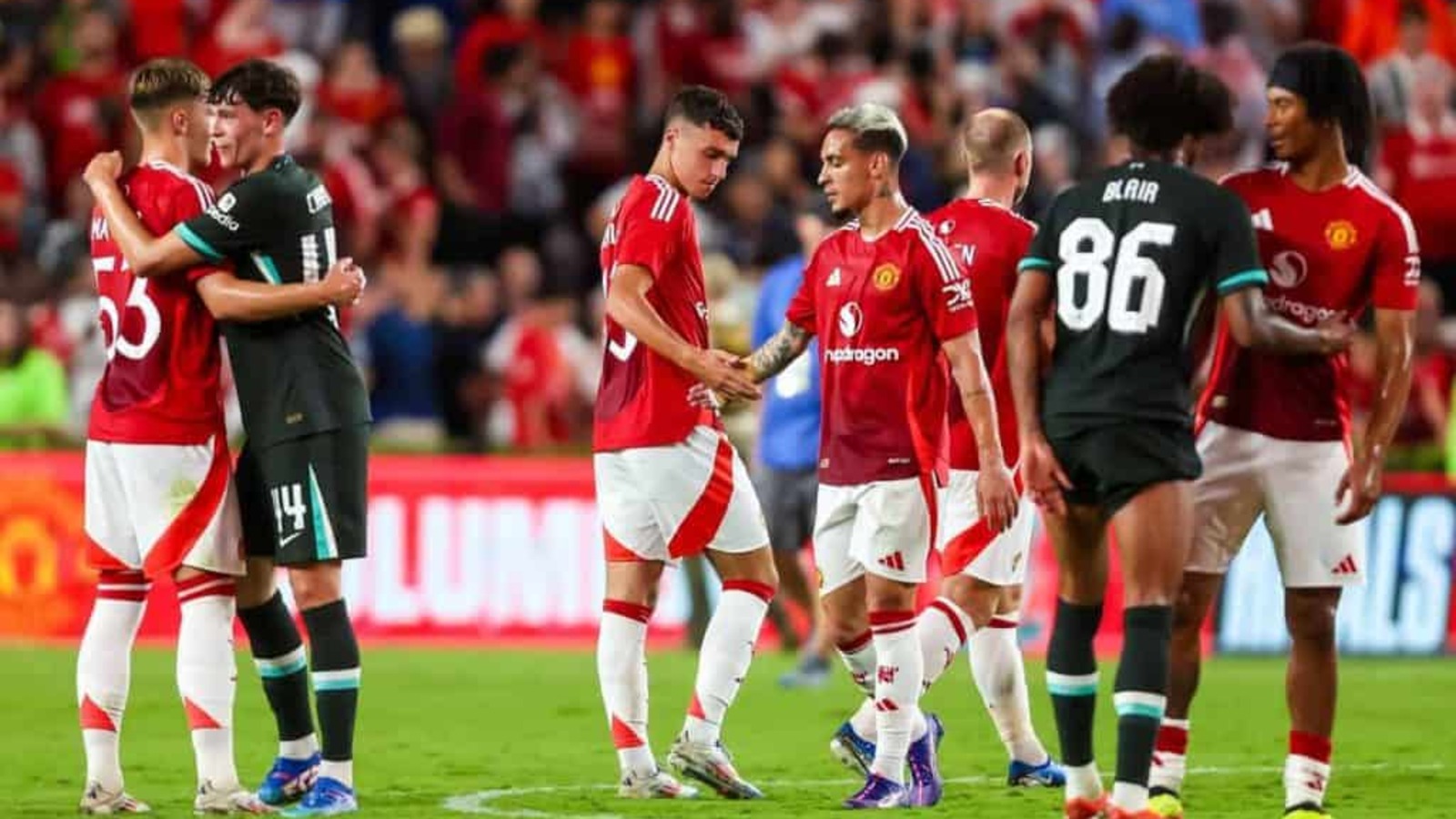
Manchester United may be facing a lengthy wait of up to a decade before it can realistically compete for the Premier League title again, according to legendary manager Sir Alex Ferguson. Ferguson, who led United through its most successful era, drew parallels between the club’s current struggles and Liverpool‘s historic title drought, igniting intense discussions among fans and analysts. His remarks reflect a deep understanding of football cycles and the significant challenges involved in rebuilding an elite team.
Ferguson’s assessment is not merely pessimistic; it is informed by his extensive experience. He pointed out that during his early years at Manchester United, the club struggled while Liverpool dominated English football. Liverpool, once a powerhouse, experienced a 30-year wait before winning the Premier League title again in 2020. Ferguson believes that Manchester United could be on a similar path, suggesting it may take another ten to eleven years before they can consistently compete at the highest level.
This perspective is not a critique of current manager Ruben Amorim. Ferguson acknowledged Amorim’s capabilities and potential but emphasized that talent alone is not enough. He stressed the importance of strategic recruitment, a cultural reset, and long-term planning in order to restore the club’s former glory. Ferguson’s insights stem from his own experiences during the early days of his tenure, which included years of mid-table finishes before United claimed dominance in the Premier League.
The struggles of Manchester United since Ferguson’s retirement in 2013 are well-documented. The club has cycled through multiple managers and philosophies, yet none have succeeded in returning the team to true title contention. Despite reaching finals and securing domestic cups, the coveted Premier League trophy has eluded United for over a decade. The 2024-25 season proved particularly challenging, as United finished 15th in the league, marking their lowest position in the modern era. This decline is indicative of deeper, structural issues within the club.
As of the current 2025-26 season, there have been slight improvements, with United hovering around the top half of the table. However, their inconsistency continues to hinder their title aspirations. For the first time in years, the club is also absent from European competitions, underscoring their inability to compete on multiple fronts. Ferguson’s concerns extend beyond mere results; they touch on an identity crisis within the club.
Success at the highest level requires more than hiring a charismatic manager or spending heavily in the transfer market. It necessitates a clearly defined philosophy, a recruitment strategy aligned with that vision, and patience from both leadership and fans.
Despite Ferguson’s somber forecast, Amorim offered a contrasting viewpoint. In a measured response, he expressed confidence that United could challenge for the title sooner than Ferguson anticipates. Amorim highlighted the improvements in squad cohesion and performance, suggesting that cyclical thinking should not limit the club’s ambitions. His perspective reflects a modern managerial approach that seeks to defy historical patterns.
While acknowledging the challenges, Amorim pointed to the potential of young talents and recent signings to contribute to a resurgence. Players like Senne Lammens, Bryan Mbeumo, Benjamin Sesko, and Matheus Cunha have been identified by Ferguson as key figures for the future. However, transforming potential into tangible success in the Premier League remains a formidable task, demanding continuity in management and a smart transfer strategy.
Ferguson’s warning carries weight not only because of his historical significance but also due to his role as the architect of United’s most successful era. His insights on timelines warrant serious consideration from fans and executives alike. While United’s current situation is not terminal, it highlights the need for significant structural changes. There are positive indicators in the squad, with promising players beginning to emerge, but achieving Premier League success requires a commitment to development rather than short-term fixes.
For fans who have endured nearly 13 years without a league title, Ferguson’s timeline may seem realistic. For younger supporters who have never witnessed United’s Premier League triumph, it might feel overly pessimistic. Regardless of perspective, this dialogue emphasizes that success at the pinnacle of English football is both rare and challenging to sustain.
Ultimately, whether Manchester United returns to Premier League glory within five years, ten years, or longer, Ferguson’s caution should serve as a guide for transformative change rather than a source of despair. It illustrates that while history informs the present, it does not dictate the future. The club stands at a crucial juncture. The decisions made in the coming years will determine if they evolve back into genuine title contenders or remain a club remembered for past achievements rather than current successes. As Ferguson has shown, combining patience with strategic vision can overturn any cycle; Manchester United must ensure they learn the right lessons before the next decade unfolds.