The 2012 18-and-under Baseball World Championship marked a significant moment in the career of Shohei Ohtani, who faced a group of Canadian players in his first international game. On that day, Ohtani, then a teenager, was outperformed by Team Canada, resulting in a stunning upset that would resonate through the years.
In a pregame meeting held on the outskirts of Seoul, South Korea, Canadian head coach Greg Hamilton delivered a sobering message to his team. He warned them about the formidable pitcher they were about to face. “The guy on the mound for Japan is the best 18-year-old pitcher in the world,” he told his players, as recounted by Jacob Robson. “And he’s also the best 18-year-old hitter in the world.” This was a reference to Ohtani, whose talents had already begun to gain attention, even if his name was then spelled “Otani.”
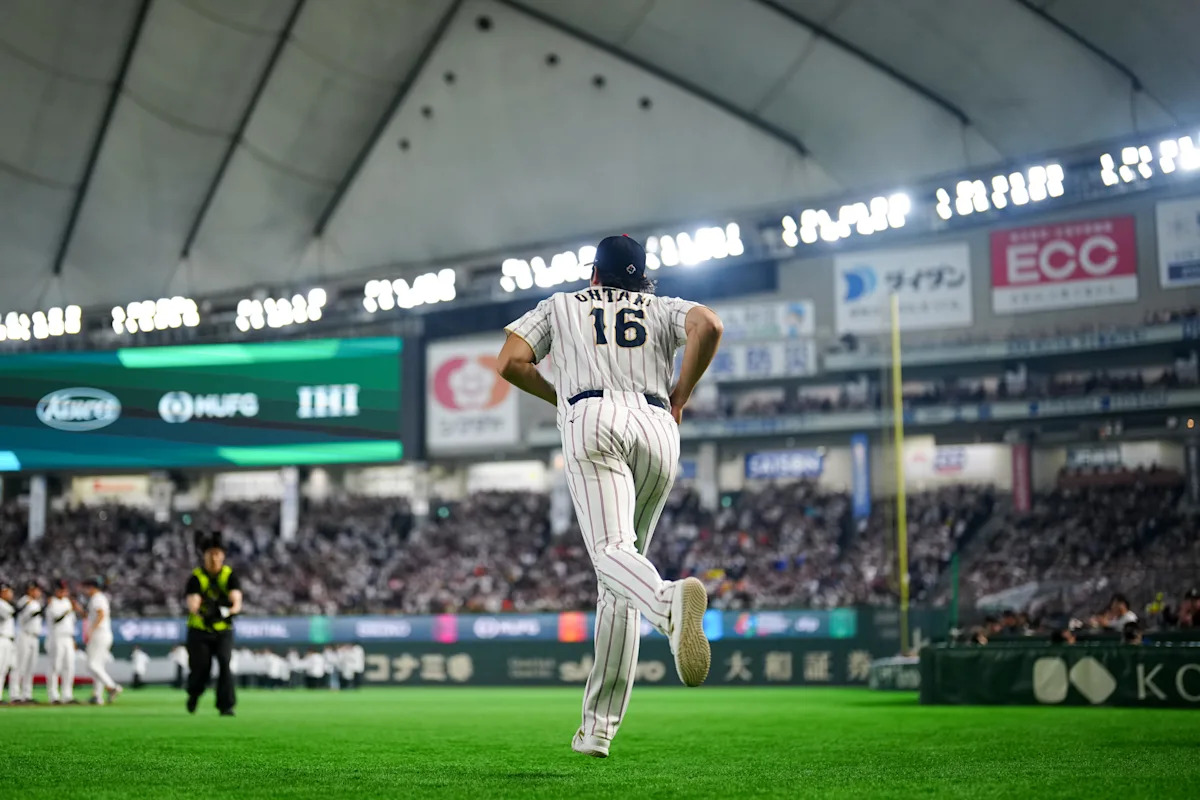
Fast forward more than a decade, and Ohtani is now a global sensation and captain of Japan’s quest for a second consecutive World Baseball Classic title. During the 2023 tournament, he showcased his remarkable abilities, earning the tournament’s MVP by achieving a batting average of .435 and delivering standout pitching performances.
However, the memory of that first game in 2012 remains vivid, especially for the Canadian players. Despite Ohtani’s renowned skills, Team Canada managed to secure a remarkable victory in front of a modest crowd of just 125 spectators. Ohtani’s pitching line that day was less than stellar: he threw for 3 1/3 innings, giving up 3 hits and 3 earned runs, while also walking 4 batters and striking out 4.
The Canadian players, unaware of Ohtani’s reputation until Hamilton’s briefing, were initially overawed. “I step in the box, and he’s just pumping heat, 94, 95,” recalled Daniel Pinero, who later won a College World Series. Ohtani’s fastball was a revelation for many, particularly for players used to lower velocities.
As the game unfolded, Ohtani struggled with command, allowing Canada to claw back into contention. After a brief pitching change, he took to the outfield and continued to contribute offensively, hitting an RBI single in the seventh inning. Despite his efforts, it was not enough to prevent Canada from ultimately edging out Japan in extra innings, spurred by a dramatic two-run homer from Jesse Hodges.
Following the game, Hodges expressed the overwhelming joy of hitting a home run for his country. “These are the types of games that you dream of as a kid,” he said. Canada’s triumph propelled them to a silver medal in the tournament, a notable achievement in their baseball history.
Ohtani’s journey did not end there. He later showcased his talent in another game against hosts South Korea, where he struck out 12 batters in a dominant performance. This outing was a precursor to the illustrious career he would go on to have in Major League Baseball, where he has become known for his dual-threat capabilities as both a pitcher and a hitter.
For the Canadian players, that first encounter with Ohtani is a memory etched in time. Robson often shares that he played against Ohtani in high school, eliciting astonishment from those who hear the story. “People can’t believe it,” he remarked.
As Ohtani continues to make headlines on the international stage, his initial foray into competitive baseball serves as a reminder of the unpredictable nature of sports and the lasting impact of early encounters in an athlete’s career.