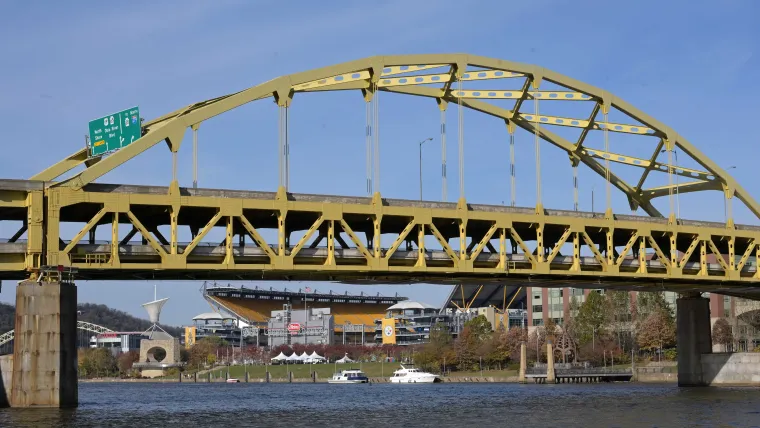
The Pittsburgh Post-Gazette, a cornerstone of local journalism for over 240 years, will cease operations on May 3, 2024. Block Communications announced this decision, marking the end of an era for the Steel City’s newspaper of record. The news has left both readers and the community in shock, as the publication has played a vital role in documenting Pittsburgh’s history, particularly its sporting achievements.
Founded as a descendant of the original Pittsburgh Gazette in 1786, the Post-Gazette has been a witness to significant events and has shaped public discourse in the region. For many Pittsburgh residents, picking up the paper each morning, especially to check the sports page, has been a cherished routine. The emotional impact of this closure is evident, with many reflecting on how the newspaper influenced their lives and careers.
A lifelong Pittsburgher expressed their sorrow, stating, “Running out to grab the Post-Gazette every morning and immediately turning to the sports page is one of the most vivid and defining memories of my childhood.” This sentiment echoes across the community, as the paper has chronicled every major sporting event, including the Pittsburgh Steelers‘ playoff runs, making its last coverage particularly poignant.
Despite the loss of the Post-Gazette, the Tribune-Review, a locally owned competitor, will continue to serve the Pittsburgh area. The transition raises questions about the future of local journalism and the potential void that could be left in comprehensive reporting, particularly in sports.
The closure of the Post-Gazette reflects broader challenges facing newspapers across the United States and beyond, with many struggling to adapt to the digital landscape while maintaining profitability. As traditional print media continues to decline, the impact on local communities becomes increasingly significant.
The Post-Gazette’s legacy as a significant voice in Pittsburgh’s narrative is undeniable. It has fostered generations of sports enthusiasts and journalists alike. With each story, it has connected the community, making the prospect of its absence difficult to fathom. Local sports figures, including coach Mike Tomlin, will now find themselves without a key platform for their narratives, further highlighting the loss to the local sporting culture.
As the city prepares to say goodbye to the Post-Gazette, many are left wondering how this will reshape the landscape of Pittsburgh journalism and whether the stories that defined a community can continue to be told. The farewell to such an iconic publication is a reminder of the evolving nature of news and the need for communities to adapt to changing media landscapes while ensuring that local voices remain heard.