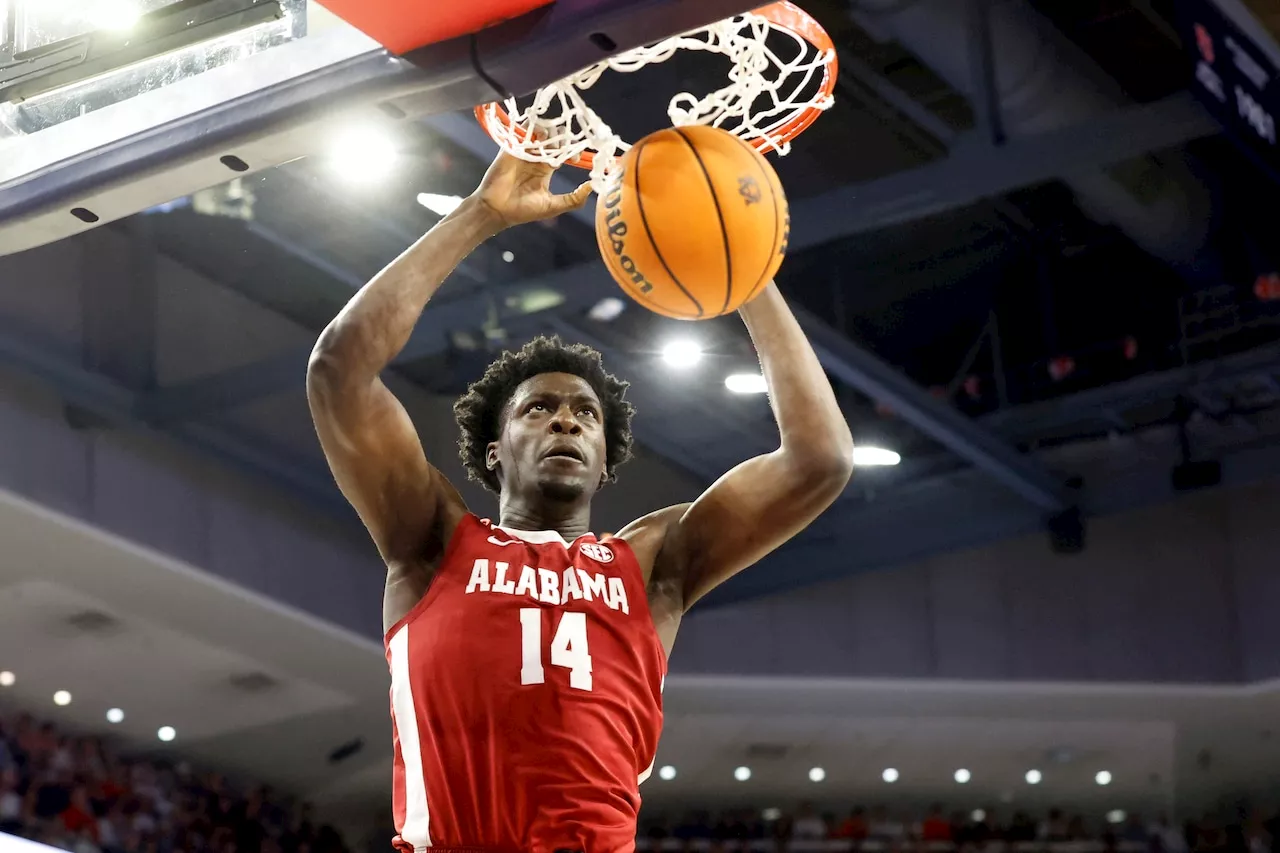
The NCAA has issued a statement regarding pre- and post-NBA draft eligibility rules in light of recent developments involving Alabama forward Charles Bediako. This comes after Bediako participated in the NBA G-League and subsequently regained his college eligibility, making headlines in the world of college basketball.
Bediako’s situation highlights the growing conversation around the NCAA’s rules for student-athletes contemplating entry into the NBA draft. The organization emphasized that its regulations allow players to gather necessary information before making their decisions. Specifically, college players wishing to maintain their eligibility must request an evaluation from the NBA Undergraduate Advisory Committee. They are also permitted to take part in the NBA Draft Combine without jeopardizing their collegiate status.
In its statement, the NCAA noted several key aspects of the eligibility process. Agents certified by the National Basketball Players Association and the NCAA can cover costs for meals and transportation for players and their families during the agent selection phase and meetings with professional teams. Once players have participated in the NBA Draft Combine, they have a period of ten days to choose whether to remain in the draft or return to their collegiate teams. Those who decide to stay in the draft forfeit their college eligibility.
The NCAA expressed concern about the implications of not enforcing these rules. A failure to uphold the established guidelines could create instability not only for student-athletes but also for colleges as they build their rosters and for the NBA itself. The association reaffirmed that the pre- and post-draft eligibility rules have been well-established and supported by all stakeholders, despite recent court challenges.
This statement was articulated by Andrew Hammond, a veteran journalist with nearly two decades of experience in covering sports. Hammond underscored the importance of clarity in the NCAA’s policies, particularly as they relate to player eligibility and the integrity of college basketball.
As the landscape of college athletics continues to evolve, the NCAA remains committed to ensuring that student-athletes have the opportunity to make informed decisions while preserving their eligibility. The case of Charles Bediako serves as a pivotal example of the ongoing dialogue surrounding these crucial regulations in the world of college sports.