Former Boston Red Sox pitcher Joe Kelly has announced the end of his Major League Baseball (MLB) career after 13 seasons, without explicitly using the term “retirement.” In a recent appearance on WEEI’s “Baseball Isn’t Boring” podcast with host Rob Bradford, Kelly confirmed his decision to step away from the game, emphasizing his disdain for the conventional retirement narrative.
Kelly last pitched in a big league game in 2024. During the podcast, he expressed his views on the term “retirement,” stating, “Retiring is like something that my grandmother did. It’s so disrespectful… Athletes don’t [retire]. We just stop playing.” He argued that the term is more appropriate for individuals who work traditional jobs, stating, “When athletes are done playing, just say congratulations. They’re no longer playing.”
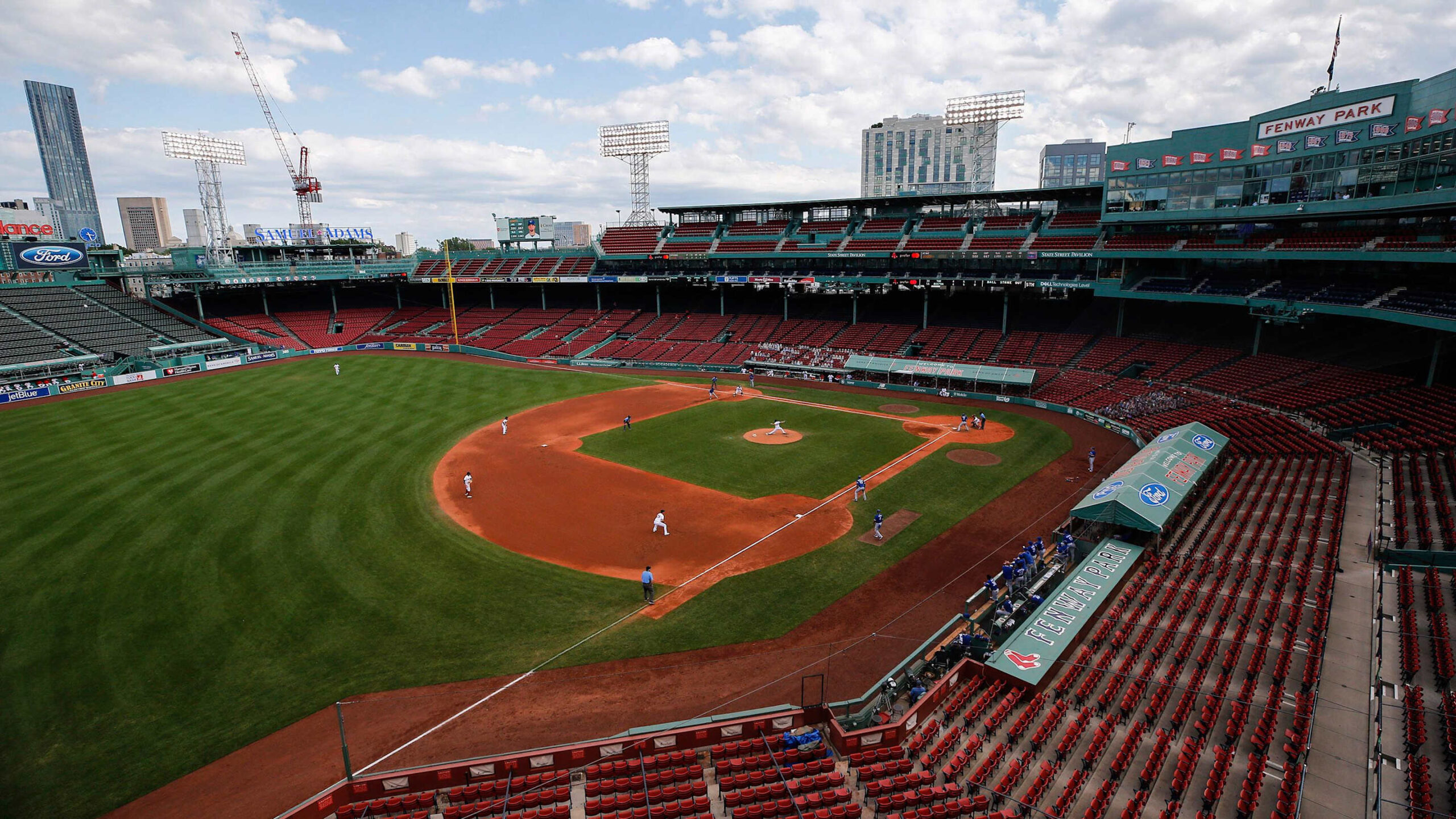
Over the course of his career, Kelly played for the St. Louis Cardinals, Boston Red Sox, Los Angeles Dodgers, and Chicago White Sox. He was a key contributor to the Red Sox’s success during their victorious run in the 2018 World Series. Throughout his five seasons in Boston, he posted a regular-season earned run average (ERA) of 4.33 across 182 appearances, making it the team where he had the most opportunities to play.
Memorable Moments and Legacy
Kelly is perhaps best remembered by Red Sox fans for his outstanding playoff performances. He participated in 14 postseason games for Boston, achieving an impressive 0.51 ERA and a perfect 17-to-0 strikeout-to-walk ratio over 17 2/3 innings pitched. His ability to perform under pressure solidified his reputation as a reliable reliever.
Additionally, Kelly’s tenure with the Red Sox included notable moments, such as his infamous altercation with Tyler Austin of the New York Yankees, which has become a memorable highlight of his career. Fans appreciated his fiery demeanor, and he was regarded as a fan-favorite not only in Boston but across the league.
As he concludes his baseball journey, Kelly leaves behind a legacy of resilience and competitive spirit. His unique perspective on moving away from the game reflects a broader conversation about the nature of professional sports and the relationships athletes have with their careers.
In the wake of Kelly’s announcement, discussions about his impact on the game and the Red Sox continue to resonate with fans and analysts alike. His decision marks the end of an era for a player who has been a significant figure in MLB over the past decade and a half.