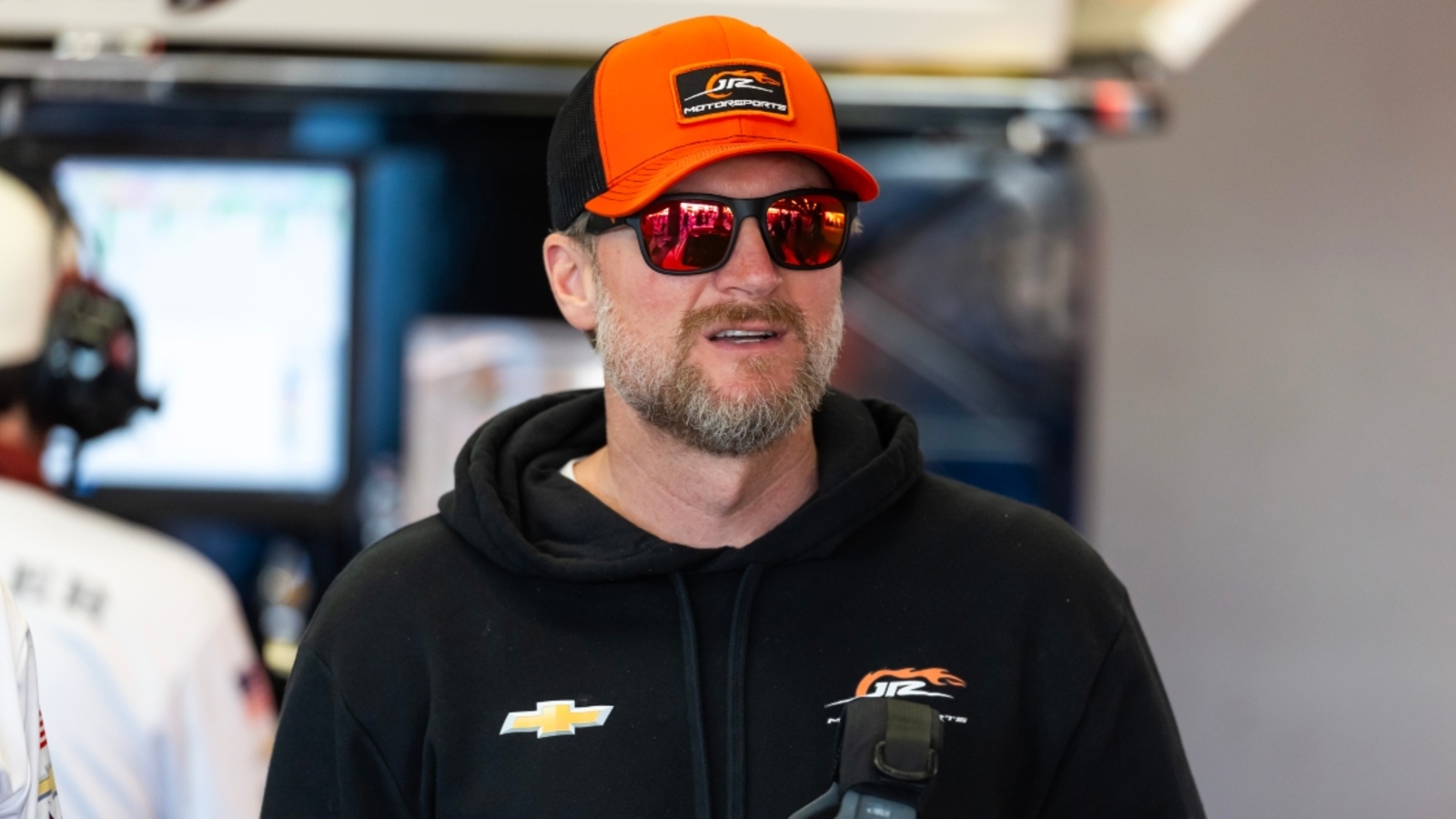
The recent Daytona 500 has ignited discussions regarding fuel-saving strategies prevalent in the NASCAR Cup Series. During a segment on his podcast, “Dale Jr. Download,” former driver Dale Earnhardt Jr. described the current situation as an “epidemic” and proposed several potential solutions to mitigate the issue. While NASCAR acknowledges the challenge, Earnhardt believes that specific changes could encourage a more aggressive driving style among competitors.
One of Earnhardt’s key suggestions is to reinstate the point system for leading a lap and leading the most laps. “I don’t know that I have a solution but here’s a couple things that have changed: we took away the point for leading a lap, we also took away the bonus points for leading the most laps,” he stated. He emphasized that these seemingly minor adjustments could motivate teams to push harder throughout the race, addressing the fuel-saving trend that has taken hold.
The former driver expressed concern over the amount of drag imposed on the new Next Gen car, which he believes hampers overtaking. He noted that drivers often resort to running at half throttle to conserve fuel during green flag conditions. This strategy allows them to minimize pit stops and maintain advantageous track positions. “You got the whole field sitting there running 40, 50 percent. Even the guy leading is running 60 percent,” he explained.
Earnhardt elaborated on the implications of this drag, stating that even if a driver attempts to accelerate fully, they struggle to distance themselves from the pack. He proposed that NASCAR should investigate ways to reduce drag, allowing drivers to break away from the field when they push their cars to full throttle. “If I’m in a pack of cars that are running 60 percent throttle, and I mash the gas 100 percent, I drive away from them,” he said. This would challenge the effectiveness of the current fuel-saving strategy.
Frustration with the fuel-saving tactics is not limited to Earnhardt. Fellow driver Ryan Blaney voiced his concerns, stating that the situation has become “pretty bad” and requires urgent attention. The ongoing debate raises questions about whether NASCAR can implement changes mid-season, as several crew chiefs suggest that fuel-saving strategies may remain a fixture in the sport for the foreseeable future.
The dialogue surrounding these fuel-saving methods highlights a critical moment for NASCAR as it navigates the balance between competition and strategy. With voices like Earnhardt and Blaney advocating for change, the motorsport community is keenly observing how NASCAR will respond to these pressing concerns.