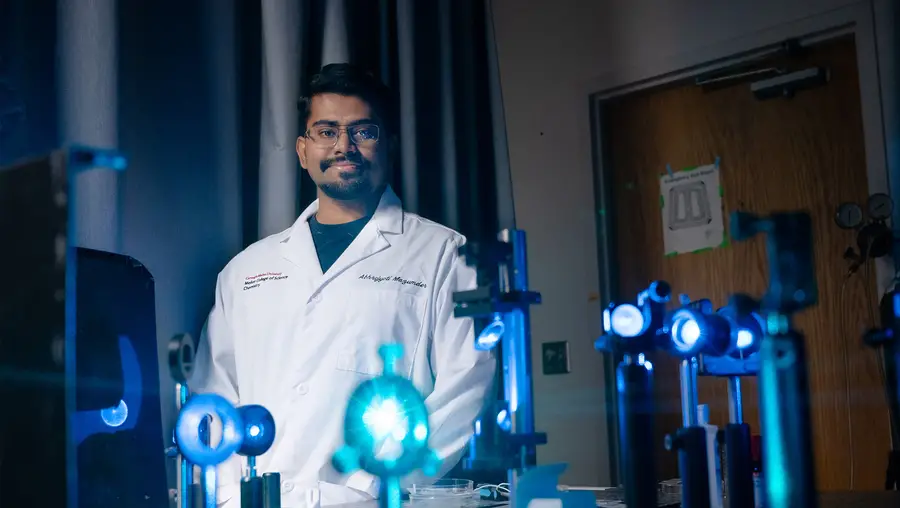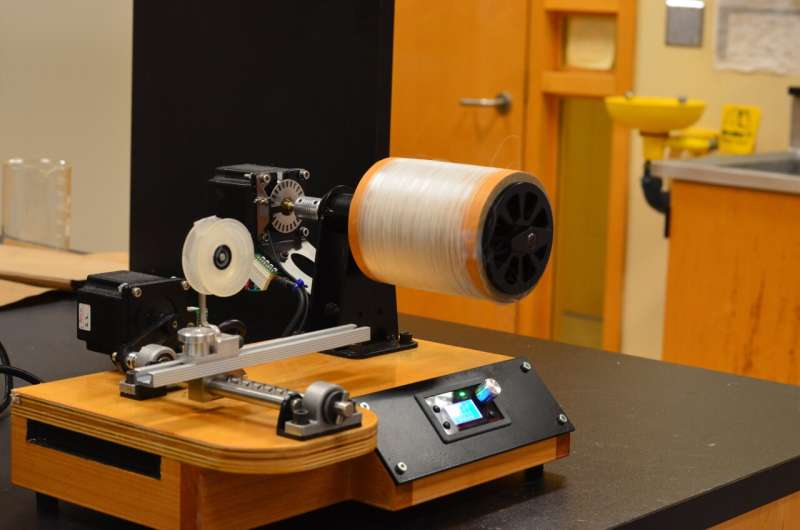
A research team at the University of British Columbia has introduced a groundbreaking method for producing rayon, a widely used fabric, which could reduce chemical solvent usage by up to 70%. This innovative approach aims to enhance sustainability in textile manufacturing, addressing environmental concerns associated with traditional production methods. The findings, led by Dr. Feng Jiang and doctoral student Huayu Liu, were published in the journal Chem Circularity.
The conventional method for creating synthetic cellulose fibers involves dissolving cellulose using large quantities of toxic chemicals. In contrast, the UBC team employed microfibrillated cellulose (MFC)—tiny strands of cellulose produced through a simple mechanical grinding process that requires minimal chemicals. While MFC is easier to source and gentler on the environment, it typically does not possess the necessary flow characteristics for spinning into long fibers.
To overcome this challenge, the researchers incorporated a small amount of softened, dissolved cellulose that acts as a natural adhesive, enabling the MFC strands to connect and twist into continuous threads. Liu stated, “What we found is that we don’t actually need to dissolve cellulose completely to get continuous fibers. By dissolving only a portion of it, we can reduce the amount of solvent needed significantly—and we can recycle all of it.”
Enhanced Sustainability in Textile Production
This new method not only minimizes the use of solvents but also simplifies the production process by eliminating several steps that involve bleaching or harsh chemical treatments. Dr. Jiang emphasized that these findings represent a significant advancement in sustainable textile manufacturing. “Sustainability isn’t only about the final material—it’s about sourcing the raw material responsibly and ensuring the entire process avoids toxic solvents and minimizes pollution,” he explained.
Currently, the fibers have been produced at a lab scale, and the research team is actively seeking opportunities to scale up production. They are collaborating with Professor Stephanie Phillips at Kwantlen Polytechnic University’s fashion design school to test knitting and weaving prototypes once larger quantities of the fibers become available.
Potential Impact on Sustainable Fashion
Dr. Jiang is optimistic about the future applications of this research. “We hope these fibers will eventually be used for sustainable clothing and fabric manufacturing,” he noted. The research demonstrates that a more circular, lower-carbon pathway for textiles is indeed achievable.
As the global textile industry faces increasing scrutiny over its environmental impact, this innovative production method could pave the way for a more sustainable future. With the potential to significantly reduce the ecological footprint of rayon production, the UBC team’s advancements may inspire other sectors within the textile industry to adopt cleaner practices.
For more information on this study, refer to the article by Huayu Liu et al., titled “Turning microfibrillated cellulose into continuous filaments through interfacial binding with dissolved cellulose,” published in Chem Circularity in 2025.