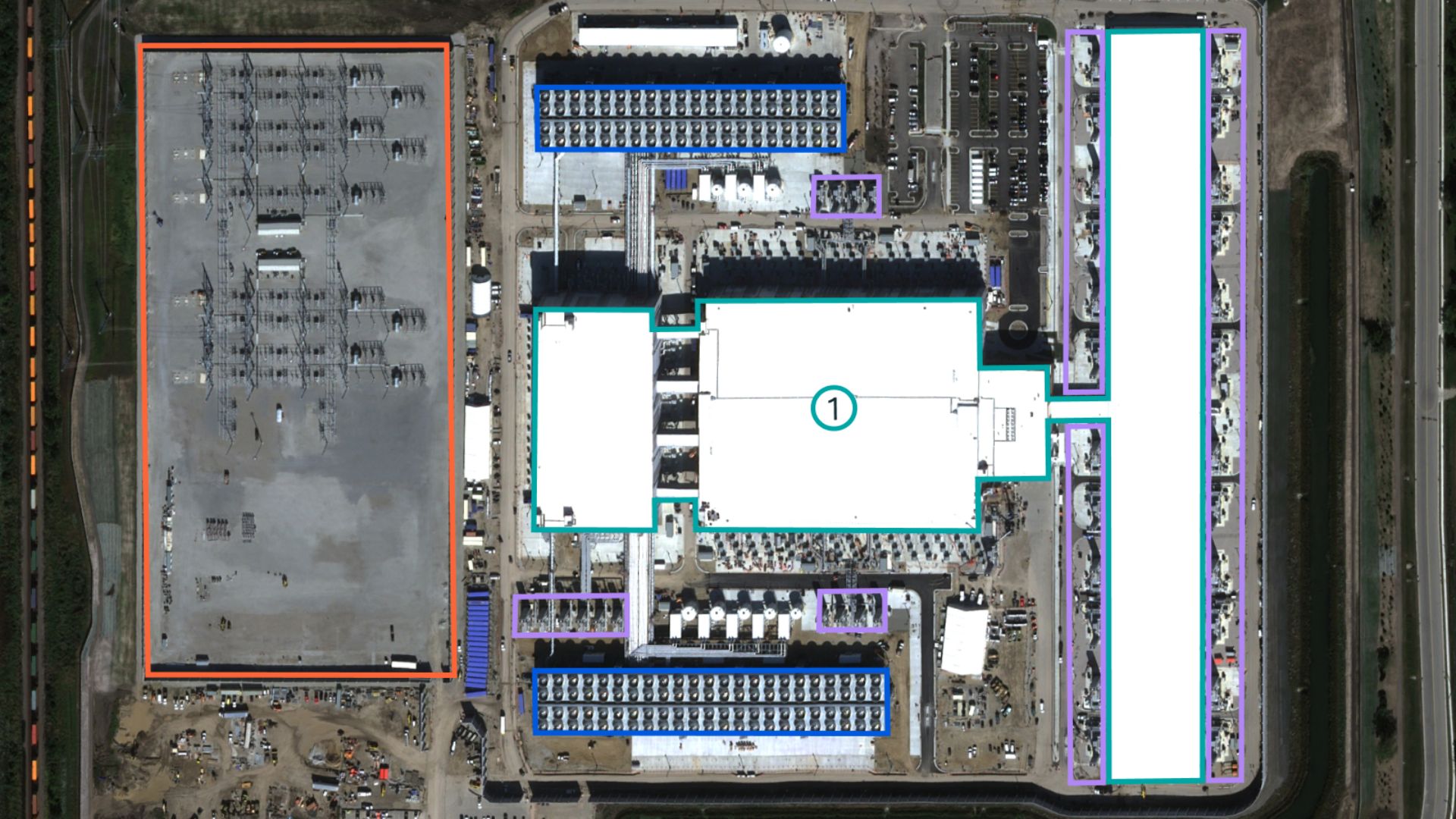
SpaceX has officially announced the acquisition of xAI on February 2, 2024, marking a significant step in its ambition to expand humanity’s presence in space. This strategic move aims to develop massive, solar-powered orbital data centers, leveraging advanced artificial intelligence and reusable rocket technology. The integration of these two companies is envisioned to create a vertically integrated structure that combines space-based internet, mobile communications, and a global real-time information platform.
Elon Musk, CEO of SpaceX, emphasized that the collaboration seeks to address the growing global demand for artificial intelligence while minimizing its environmental impact. Current data centers require substantial electricity and cooling, leading to sustainability challenges. SpaceX and xAI propose a long-term solution: orbital data centers powered by near-constant solar energy. This innovative approach aims to access vast power resources while reducing operational costs.
Vision for Orbital Data Centers
The ambitious plan includes launching a constellation of up to one million satellites that would operate as orbital data centers. These satellites are expected to significantly enhance global AI compute capacity. Company projections suggest that launching one million tons of satellites annually, each generating 100 kilowatts of compute power per ton, could contribute an additional 100 gigawatts of AI compute capacity each year.
The role of Starship, SpaceX’s next-generation launch vehicle, is pivotal to this strategy. As of 2025, SpaceX achieved a record year in orbital launches, sending approximately 3,000 tons of payload into space. However, to support the ambitious goal of establishing space-based data centers and future installations on the Moon and Mars, the company acknowledges that greater lift capacity will be essential.
Plans for Starship include deploying upgraded Starlink satellites and next-generation direct-to-mobile satellites, aimed at providing cellular coverage across the globe.
Future Prospects and Sustainability
Beyond establishing AI infrastructure, the long-term vision encompasses supporting self-sustaining bases on the Moon, constructing a civilization on Mars, and facilitating deeper exploration of the solar system. SpaceX and xAI’s efforts are designed to build on existing satellite sustainability practices, including responsible end-of-life disposal strategies currently employed in SpaceX’s broadband systems.
Future initiatives may involve using in-space propellant transfer to facilitate significant cargo landings on the Moon, alongside manufacturing facilities that utilize lunar resources for satellite production.
In framing the acquisition, SpaceX’s leadership emphasizes a broader mission: to expand human knowledge and extend consciousness beyond Earth. The integration of SpaceX and xAI represents a crucial step toward realizing this long-term vision, with implications for how humanity interacts with technology and the cosmos.
This acquisition not only highlights SpaceX’s commitment to innovation but also sets the stage for a transformative approach to data management and artificial intelligence on a global scale.