Researchers at the University of California, San Diego have made a significant breakthrough by converting human brain cells into functional biocomputers. This innovative approach leverages biologically derived materials, including DNA, proteins, and living tissues like lab-grown neurons, to execute computational tasks.
The concept of biocomputers represents a shift in how computing can be achieved, moving beyond traditional silicon-based systems. This research, which was published in March 2024, opens new avenues for computing technology and has the potential to revolutionize various fields, including medicine and artificial intelligence.
How Biocomputers Work
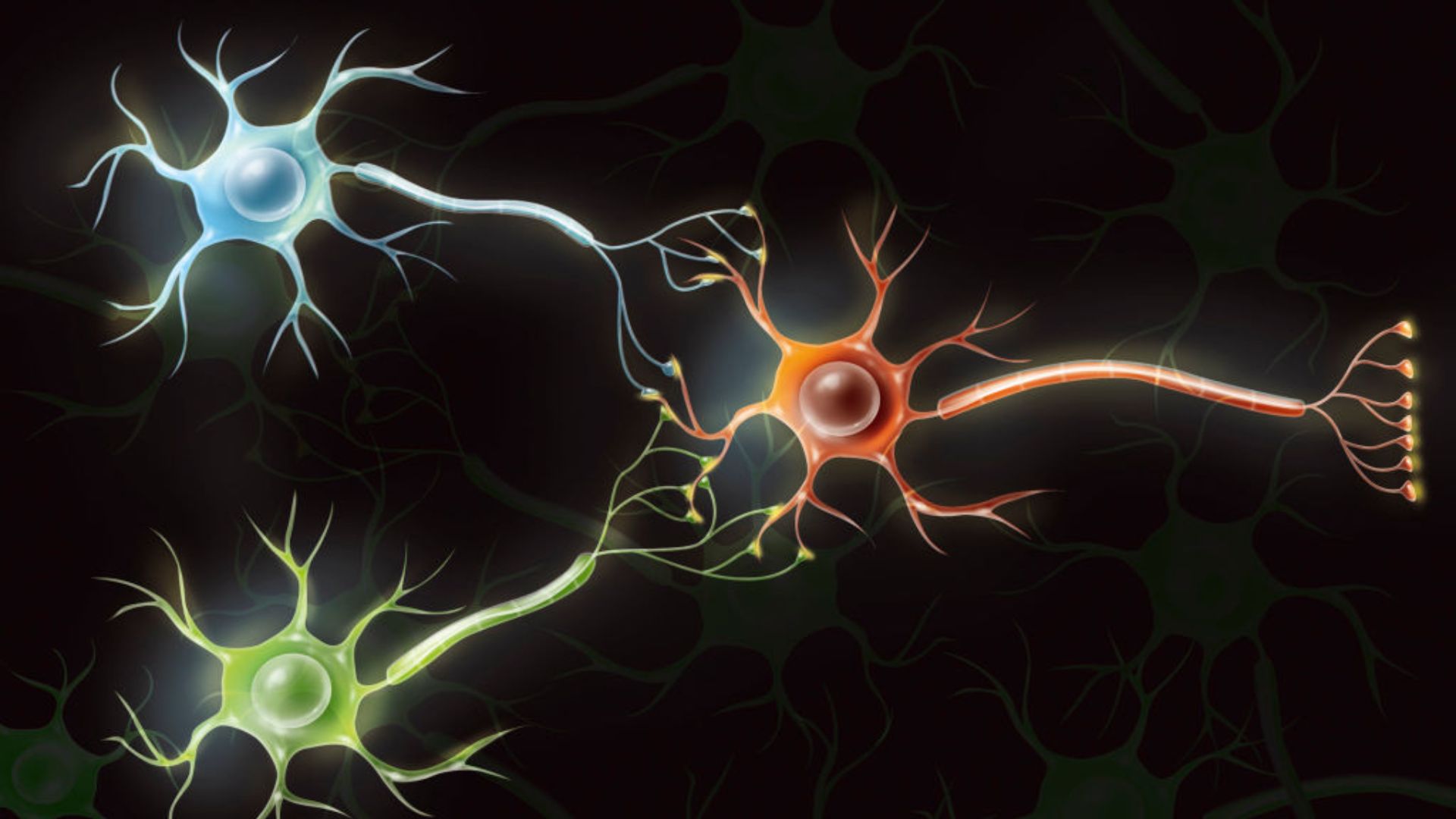
Biocomputers utilize the intricate processes of living cells to perform calculations and data processing. The research team successfully integrated human neurons, which are known for their ability to process information efficiently, into a computing framework. These neurons can communicate and form synapses, mimicking the neural networks found in the human brain.
The use of biological materials allows for a level of complexity and adaptability that conventional computers cannot achieve. As the scientists continue to refine their techniques, they anticipate creating systems that can learn and evolve, similar to biological organisms. This adaptability could lead to more efficient problem-solving capabilities in comparison to current computational models.
The development of biocomputers also raises questions about the ethical implications of using human cells in technology. Researchers have emphasized the importance of conducting this work responsibly, considering the moral aspects of manipulating living tissues.
Potential Applications and Future Directions
The implications of this research extend beyond theoretical applications. Biocomputers could play a crucial role in medical diagnostics, enabling faster and more accurate identification of diseases at the cellular level. Furthermore, the integration of biological components could lead to advancements in artificial intelligence, allowing machines to process information in a more human-like manner.
Funding for this research comes from various sources, including government grants and private investments, highlighting the growing interest in biocomputer technology. As the field progresses, collaborations between universities, research institutions, and private companies are expected to intensify, fostering innovation and development.
Looking ahead, the team at the University of California is focused on scaling their findings and exploring the integration of other biological systems. Their ongoing research aims to refine the efficiency of these biocomputers while ensuring ethical standards are maintained.
The transformation of human brain cells into functional computing systems marks a pivotal moment in the intersection of biology and technology. As scientists continue to explore the potential of biocomputers, the future promises exciting advancements that could reshape our understanding of computation and its applications in society.