In a recent letter to the editor, Robert Griffon emphasized the importance of scientific knowledge in shaping informed leadership, particularly regarding climate change. He pointed out that significant advancements in cosmology, geology, biology, and climatology over the past century should inform the decision-making processes of today’s leaders.
Scientific Progress Over the Century
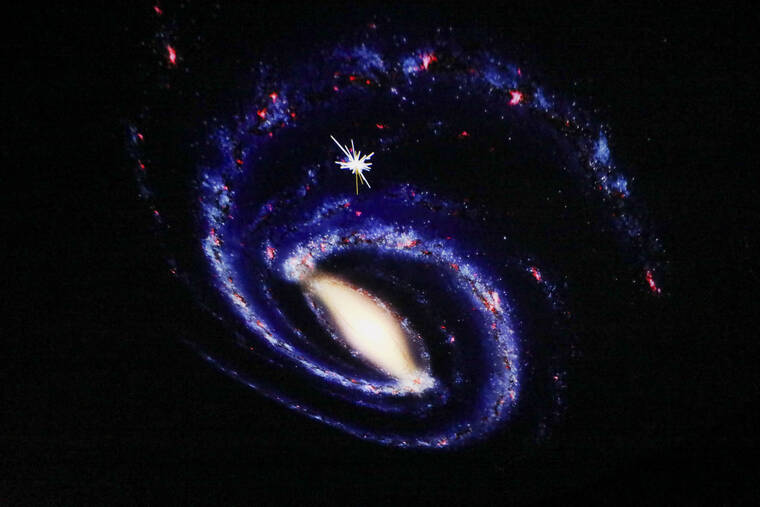
One hundred years ago, cosmologists believed that the Milky Way Galaxy encompassed the entirety of the universe. Today, it is widely accepted that there are hundreds of billions of galaxies within the observable universe. This monumental shift in understanding highlights how scientific advancements can expand our comprehension of the cosmos.
Similarly, in the field of geology, knowledge about tectonic plates was virtually non-existent a century ago. Now, scientists recognize that the Earth’s land masses are in constant motion due to these plates. This understanding has significant implications for natural disaster preparedness and infrastructure development.
In biology, skepticism once surrounded the concept of life evolving from non-living matter. Contemporary research in genetics and biology confirms that all living organisms have evolved from earlier forms of life. This foundational principle of evolutionary biology continues to guide scientific inquiry and education today.
Moreover, the field of climatology has transformed dramatically. A century ago, scientists lacked the technology to assess the extent of global warming. Today, advanced technology and comprehensive data have made it clear that the Earth is experiencing significant warming, primarily due to human activity. This data is critical for shaping policies aimed at mitigating climate change.
The Call for Informed Leadership
In light of these scientific revelations, Griffon urges that leaders, including the President, should engage with and understand these crucial scientific insights. The ability to make informed decisions regarding climate policies is vital for the future of the planet.
Griffon’s letter serves as a reminder of how far scientific understanding has come and the responsibility that comes with it. The implications of ignoring these advancements could be detrimental, not only to the environment but also to global health and security.
As the world grapples with the challenges posed by climate change, fostering a dialogue that bridges science and leadership is essential. Innovative solutions and effective policies will require a foundation built on strong scientific principles and a commitment to ongoing education and understanding.
For those wishing to share their opinions, the Honolulu Star-Advertiser invites submissions through letters to the editor, providing a platform for community voices to be heard.