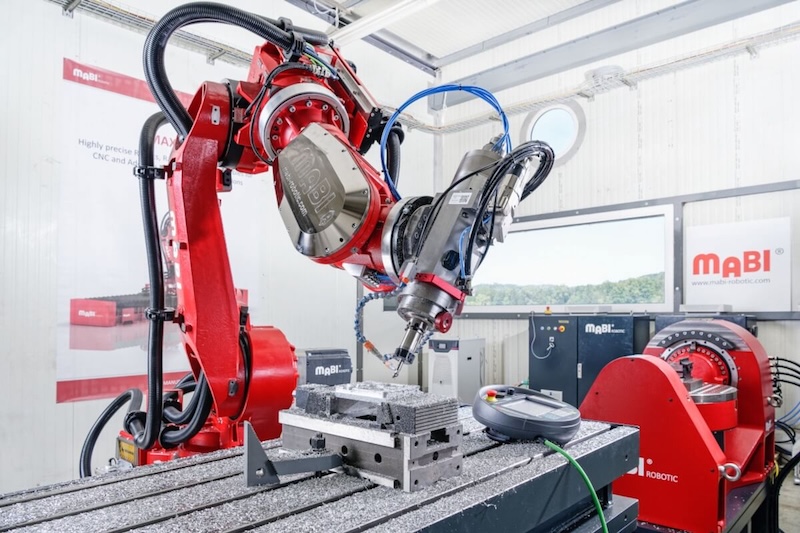
The landscape of modern manufacturing is undergoing a significant transformation, driven by the integration of robotic systems and automated gripping technologies. Factories are increasingly adopting these innovations to enhance productivity and efficiency, marking a shift from traditional production methods. The implementation of movable gripping arms has become particularly noteworthy, as they can perform tasks such as picking up, rotating, and positioning components with remarkable precision.
The Rise of Automated Gripping Systems
Automated gripping systems have found their place in various production environments across Europe, Asia, and North America. According to a report by Siemens, the global market for industrial robotics is expected to reach approximately $73 billion by 2028. This surge can be attributed to the growing demand for automation in manufacturing processes, which not only increases efficiency but also reduces human error.
The capabilities of robotic arms have expanded significantly. These systems can handle delicate components, intricate assemblies, and heavy materials, adapting to the diverse needs of different industries. For instance, in the automotive sector, gripping systems are used to assemble complex parts with high accuracy, while in the electronics industry, they manage fragile components without damage.
Enhancing Production Efficiency
One of the most compelling advantages of robotic gripping systems is their ability to operate continuously without fatigue. This ensures that production lines maintain a consistent pace, translating to higher output rates. Factories utilizing these systems report efficiency improvements of up to 30%, according to a survey conducted by the International Federation of Robotics.
Moreover, the integration of artificial intelligence (AI) with robotic systems has further enhanced their functionality. AI-powered robots can learn from their environments and improve their performance over time. This adaptability allows manufacturers to streamline operations and respond quickly to changing demands.
The impact of automation extends beyond mere productivity. As industries evolve, there is a growing emphasis on worker safety. Automated gripping systems can take over hazardous tasks, reducing the risk of workplace injuries. This shift not only protects employees but also contributes to a more sustainable working environment.
As the trend towards automation continues, industry leaders are investing heavily in the technology. Companies that embrace these advancements are positioning themselves for future success in an increasingly competitive market. The rise of automated gripping systems is a clear indication that the future of manufacturing is not only about speed but also about smart, efficient processes.
In conclusion, the adoption of robotic arms and automated gripping systems is reshaping the production landscape. With the potential for substantial efficiency gains and enhanced safety measures, businesses are increasingly recognizing the value of these technologies in staying ahead in the global marketplace. The ongoing evolution of manufacturing will likely see further integration of robotics, paving the way for a new era in production.