The latest season of Dancing With the Stars concluded with Robert Irwin and his professional partner, Witney Carson, claiming the prestigious Mirrorball trophy on December 21, 2025. Their victory, however, unfolded against the backdrop of significant social media activity that highlighted complex dynamics in public opinion and voting behavior.
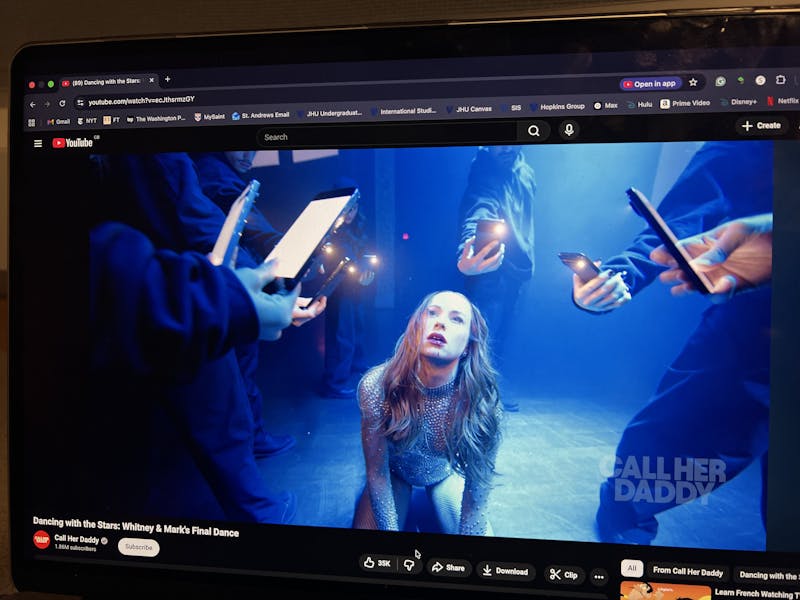
Social media played a crucial role in shaping the outcomes of this popular reality show. Contestant Whitney Leavitt, known from The Secret Lives of Mormon Wives, faced elimination in the semi-finals. Despite her talent, a noticeable lack of fan support contributed to her exit, prompting discussions about how social media can influence public perception and voting tendencies.
The voting process for the show is limited to participants in the United States and Canada, which posed a challenge for international fans. For instance, the writer, located in Scotland, was unable to vote for Leavitt despite her support. This restriction underscores how geographical limitations can affect participation and representation in such competitions.
As the season progressed, social media platforms like TikTok and Instagram became battlegrounds for opinions regarding Leavitt’s performance and public image. This phenomenon raised questions about the influence of collective sentiment, often termed as groupthink, where users rallied to support various contestants while actively voting against Leavitt. Such behavior highlights a broader trend in which social media can amplify divisive narratives, steering public opinion towards oversimplified views of competition and conflict.
The Political Parallels in Social Media Dynamics
The dynamics witnessed in the show reflect wider societal issues, particularly in political discourse. The United States has experienced significant polarization, exemplified by the recent government shutdown, the longest in its history. During this period, social media users often assigned blame to one party or another, overlooking the complexities that characterize political gridlock.
Political scientists frequently emphasize that such stalemates result from a combination of factors, including institutional incentives and a polarized media landscape. Yet, these nuanced perspectives often fail to gain traction on social media, where outrage and definitive narratives tend to dominate. The tendency to categorize issues into simplistic binaries—heroes and villains—may stem from a desire for clarity in a complex world.
The implications of this trend extend beyond reality television and into the political realm. Politicians may exploit the simplification of issues to galvanize support. By presenting straightforward narratives, they can foster loyalty among constituents who are often more inclined to support clear-cut positions rather than engage in complicated discussions.
Rethinking Engagement for Better Outcomes
This observation prompts a critical reflection on the nature of public engagement. The quest for a villain, whether in a dance competition or political arena, can obscure the nuanced realities that require collaborative solutions. To foster a healthier political culture, it may be essential to encourage individuals to disengage from the constant barrage of online narratives and develop a more nuanced understanding of issues.
Navigating the complexities of both reality television and politics demands effort and a willingness to embrace ambiguity. Engaging with the full spectrum of perspectives can lead to more informed opinions and discussions. Rather than seeking to cast blame, individuals might benefit from recognizing that understanding complexity is vital to addressing the underlying issues that affect both entertainment and governance.
Ultimately, while the Mirrorball trophy may have been awarded to Irwin and Carson, the broader conversation centers around the lessons learned from this season. The influence of social media continues to shape our perceptions, and it is crucial to approach these platforms with a critical eye. Engaging thoughtfully with the world around us can lead to more constructive outcomes, whether in the dance studio or within the halls of power.