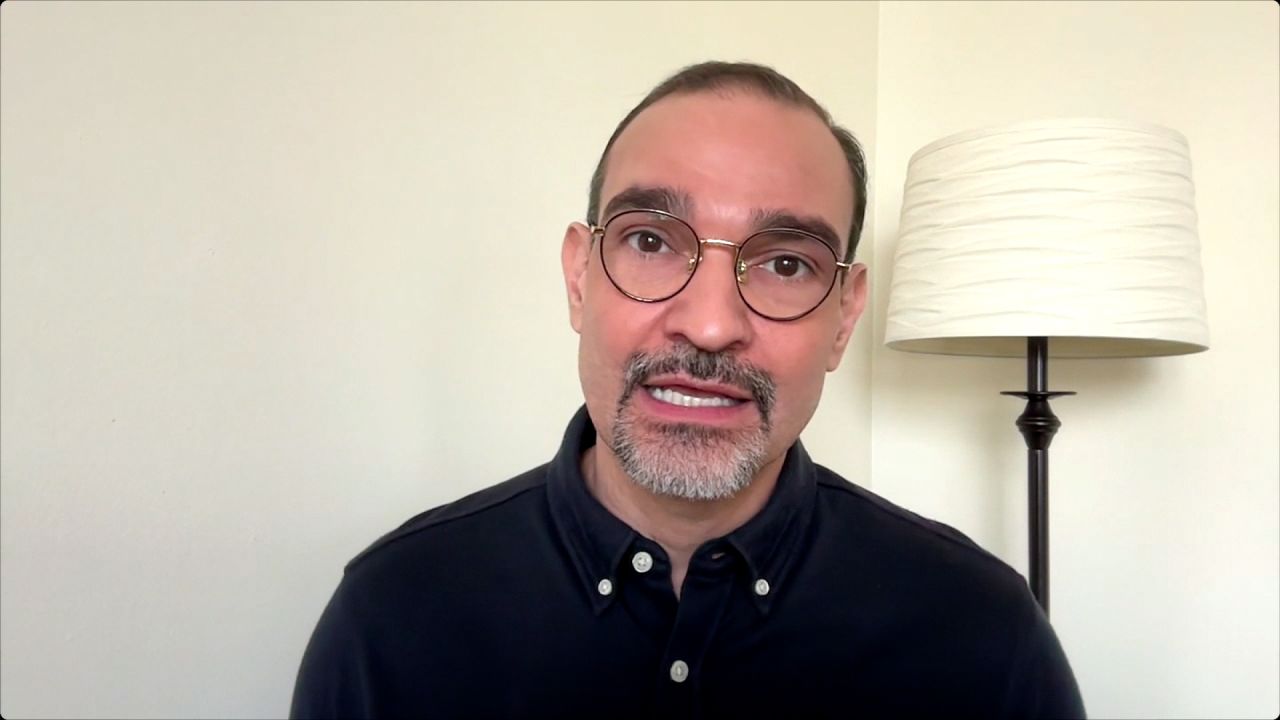
Researchers at the University of Pittsburgh are delving into the enigmatic realm of “covert consciousness,” a field that seeks to understand the cognitive abilities of patients with disorders of consciousness who cannot respond. This research aims to illuminate the often hidden capacities of individuals like Ricardo Iriart’s wife, Ángeles, who has been unresponsive for four years.
Every day, Iriart visits Ángeles, spending hours by her side, talking to her in the hope that she can hear him. Over the past year, his engagement in this groundbreaking research has transformed his understanding of her condition. The study examines the cognitive capabilities of patients, challenging the traditional belief that unresponsive individuals lack awareness.
Understanding Covert Consciousness
Covert consciousness refers to the potential awareness that patients may retain despite their inability to communicate. Advances in neuroimaging techniques, including functional magnetic resonance imaging (fMRI), allow researchers to observe brain activity in response to stimuli. These methods have led to discoveries that some patients can comprehend language and even follow simple commands internally.
In Iriart’s case, his daily conversations with Ángeles have taken on new significance. The research indicates that his wife may have an awareness of her surroundings, which could alter the way families approach care for loved ones in similar situations. This new perspective offers hope not only to families but also to the medical community, suggesting that patients can still connect with their loved ones on a cognitive level.
Dr. Adrian Owen, a prominent figure in the field of neuroscience, leads the research team at the University of Pittsburgh. According to Dr. Owen, “The goal is to determine the level of awareness in patients who are unable to express themselves. Our findings could redefine how we understand consciousness.”
The Broader Implications
The implications of this research extend beyond individual cases. A growing body of evidence suggests that many patients previously classified as being in a vegetative state may possess varying degrees of awareness. This challenges healthcare professionals to reconsider treatment options and communication methods, potentially leading to improved quality of life for patients.
The concept of covert consciousness is gaining traction in medical literature, with increasing interest from neurologists and rehabilitation experts. As the field evolves, it raises ethical questions about patient care, consent, and the responsibilities of family members and caregivers.
Iriart’s journey is a poignant reminder of the challenges faced by families dealing with loved ones in such conditions. His commitment to understanding Ángeles’ experience reflects a broader movement towards enhanced communication and care strategies in the field of neurology.
The ongoing research at the University of Pittsburgh, particularly in the area of covert consciousness, represents a significant step forward in understanding the complexities of the human brain. With continued investigation, there is hope that more families will find solace in knowing that their loved ones may still be present in ways that were once thought impossible.