A recent study published in the journal Nature Communications has provided significant insights into the unique characteristics of dimorphic fungi. These organisms exhibit the remarkable ability to transition between two distinct forms: yeast and mycelium. Researchers from the University of California conducted the study, shedding light on the genetic and molecular mechanisms behind this transformation.
Dimorphic fungi are a fascinating example of nature’s adaptability. Traditionally, scientists recognized that these fungi could switch between two forms, but the specific biological processes facilitating this change remained largely unexplored. The new research reveals that a single genome can orchestrate the development of both forms, highlighting the complexity and versatility of these organisms.
The study’s lead author, Dr. Emily Thompson, stated, “By understanding how these fungi transition between forms, we can gain insights into their survival mechanisms and potential applications in biotechnology.” The findings have implications not only for understanding fungal biology but also for addressing challenges in medicine and agriculture.
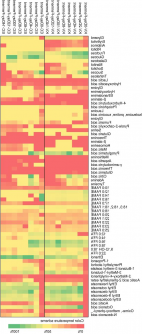
Researchers utilized advanced genomic techniques to analyze the genetic expression associated with each form. They discovered that specific genes are activated or repressed depending on environmental conditions. For instance, during nutrient-rich conditions, fungi tend to favor the yeast form, which is more suited for rapid growth. Conversely, when facing adverse conditions, such as nutrient scarcity, these fungi shift to the mycelium form, which is more resilient and capable of exploring a wider habitat.
This discovery could have significant consequences for various fields. In agriculture, understanding how fungi adapt to their environment can help in developing more effective control measures against crop diseases caused by fungal pathogens. In medicine, knowledge of fungal adaptability may lead to improved treatments for fungal infections, which can be particularly challenging to manage.
The study emphasizes the importance of continued research into the genetic mechanisms that govern these transformations. As fungal diseases pose increasing threats to both human health and food security, understanding their biology becomes crucial. The findings serve as a stepping stone for future investigations aimed at harnessing the potential of these organisms.
In summary, the groundbreaking research on dimorphic fungi not only enhances our understanding of fungal biology but also opens new avenues for practical applications in medicine and agriculture. As scientists continue to explore the complexities of these organisms, the potential benefits for society could be substantial.