The lunar cycle begins anew as the Moon reaches its New Moon phase today, January 18, 2024. During this phase, the Moon is positioned directly between the Earth and the Sun, rendering it invisible from our perspective. According to NASA’s Daily Moon Guide, there will be 0% illumination tonight, indicating that stargazers will not be able to spot the Moon in the night sky.
As the lunar cycle progresses, observers can expect the Moon to become increasingly visible. Each night will reveal a brighter appearance, culminating in the next Full Moon, scheduled for February 1, 2024. The previous Full Moon occurred on January 3, 2024.
Understanding the Lunar Cycle
The lunar cycle, which lasts approximately 29.5 days, encompasses eight distinct phases as the Moon orbits the Earth. This cycle is responsible for the variations in the Moon’s visibility from Earth, with different amounts of sunlight illuminating its surface based on its position.
The eight phases of the lunar cycle are as follows:
1. **New Moon**: The Moon is between Earth and the Sun, making it invisible.
2. **Waxing Crescent**: A small sliver of light begins to appear on the right side.
3. **First Quarter**: Half of the Moon is illuminated on the right side, resembling a half-Moon.
4. **Waxing Gibbous**: More than half of the Moon is lit, but it is not yet full.
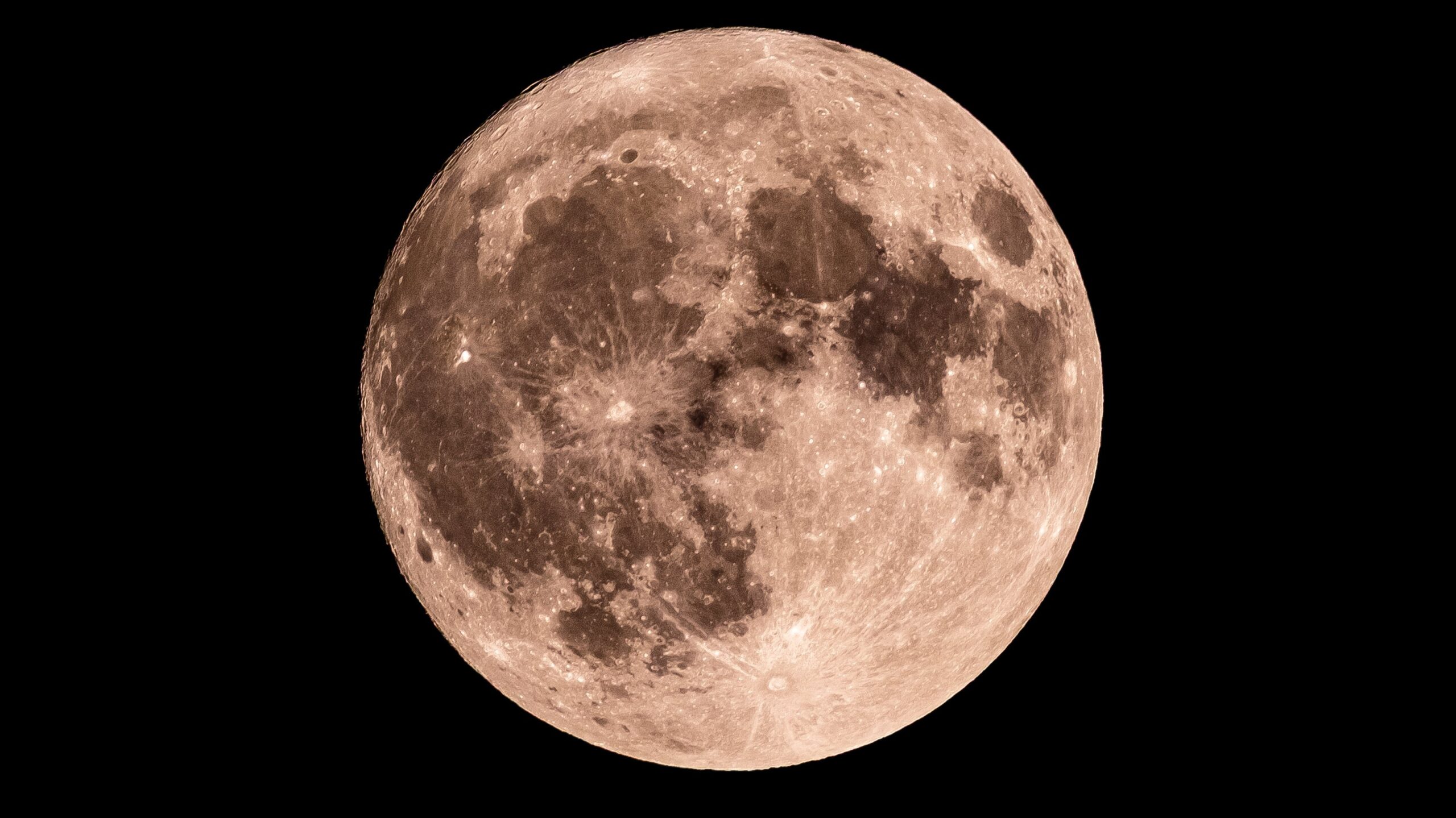
5. **Full Moon**: The entire face of the Moon is illuminated, fully visible to observers.
6. **Waning Gibbous**: The Moon begins to lose light on the right side.
7. **Third Quarter (Last Quarter)**: Another half-Moon, but this time the left side is illuminated.
8. **Waning Crescent**: A thin sliver of light remains on the left side before returning to darkness.
The Science Behind Moon Phases
The reason for these varying appearances lies in the Moon’s orbit. As it travels around the Earth, only one side is consistently visible from our planet, while the light it reflects changes with its position relative to both the Earth and the Sun. This dynamic interaction results in the different Moon phases that capture the fascination of skywatchers around the globe.
With the New Moon phase marking the start of this cycle, enthusiasts and astronomers alike can look forward to the gradual illumination of the Moon as it moves toward the Full Moon next month.