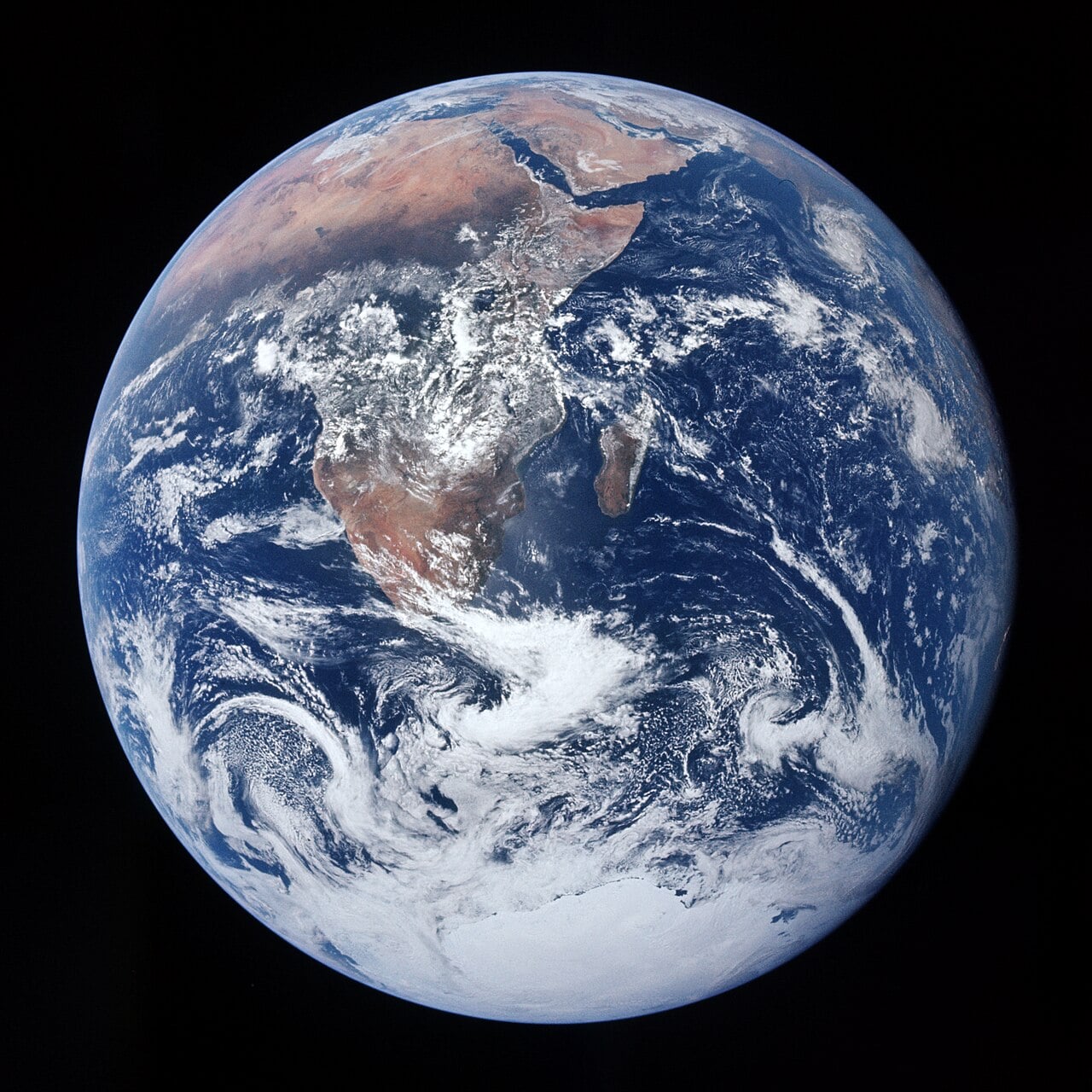
A thought-provoking study suggests that Earth could remain habitable even in the absence of all life forms, including bacteria and plants. Researchers have developed a comprehensive computer model that simulates a lifeless Earth over the course of 4.5 billion years. This groundbreaking finding has significant implications for the search for extraterrestrial life beyond our Solar System.
Modeling a Lifeless Earth
The research team created the most detailed model of a lifeless Earth to date, examining how our planet would evolve without biological influences. The model tracks various geological processes, including the slow cooling of the planet’s interior, volcanic outgassing, and the gradual accumulation of an atmosphere. Notably, it also assesses the carbon cycle and the behavior of sunlight reflecting off a hypothetical ocean-covered Earth.
This lifeless Earth model successfully reproduced 19 key measurements of pre-industrial Earth, including its temperature, atmospheric composition, and ocean chemistry, all without any living organisms contributing to these processes.
Implications for the Search for Extraterrestrial Life
The findings are timely, given the ongoing development of NASA’s Habitable Worlds Observatory (HWO). This telescope will be the first of its kind to directly image rocky planets orbiting Sun-like stars. As it collects light from distant worlds, scientists aim to decode their atmospheres for signs of life. Understanding what a habitable yet lifeless planet looks like is crucial for distinguishing it from one that is actually inhabited.
The research indicates that a planet can maintain suitable surface temperatures and liquid water for billions of years, driven solely by geological processes. The team produced a simulated spectrum representing what a lifeless Earth would appear like to a distant telescope. This will serve as a critical reference for interpreting signals that the HWO may eventually detect.
Perhaps the most striking implication of this research challenges long-held beliefs about habitability. It was once thought that the presence of complex life was necessary to maintain a stable and hospitable environment. The new model suggests that geology alone is sufficient for creating conditions conducive to life. This raises an intriguing possibility: if habitability does not inherently require life, then there could be countless more habitable worlds in the universe than previously imagined. These worlds may exist quietly in the dark, with oceans intact and temperatures just right, awaiting discovery.
As scientists continue to explore the cosmos in search of life, this study serves as a reminder of the complex interplay between geological and biological processes on Earth. The insights gained from this lifeless model could profoundly influence how we identify and evaluate potential habitable environments beyond our planet.