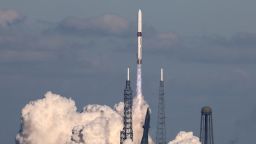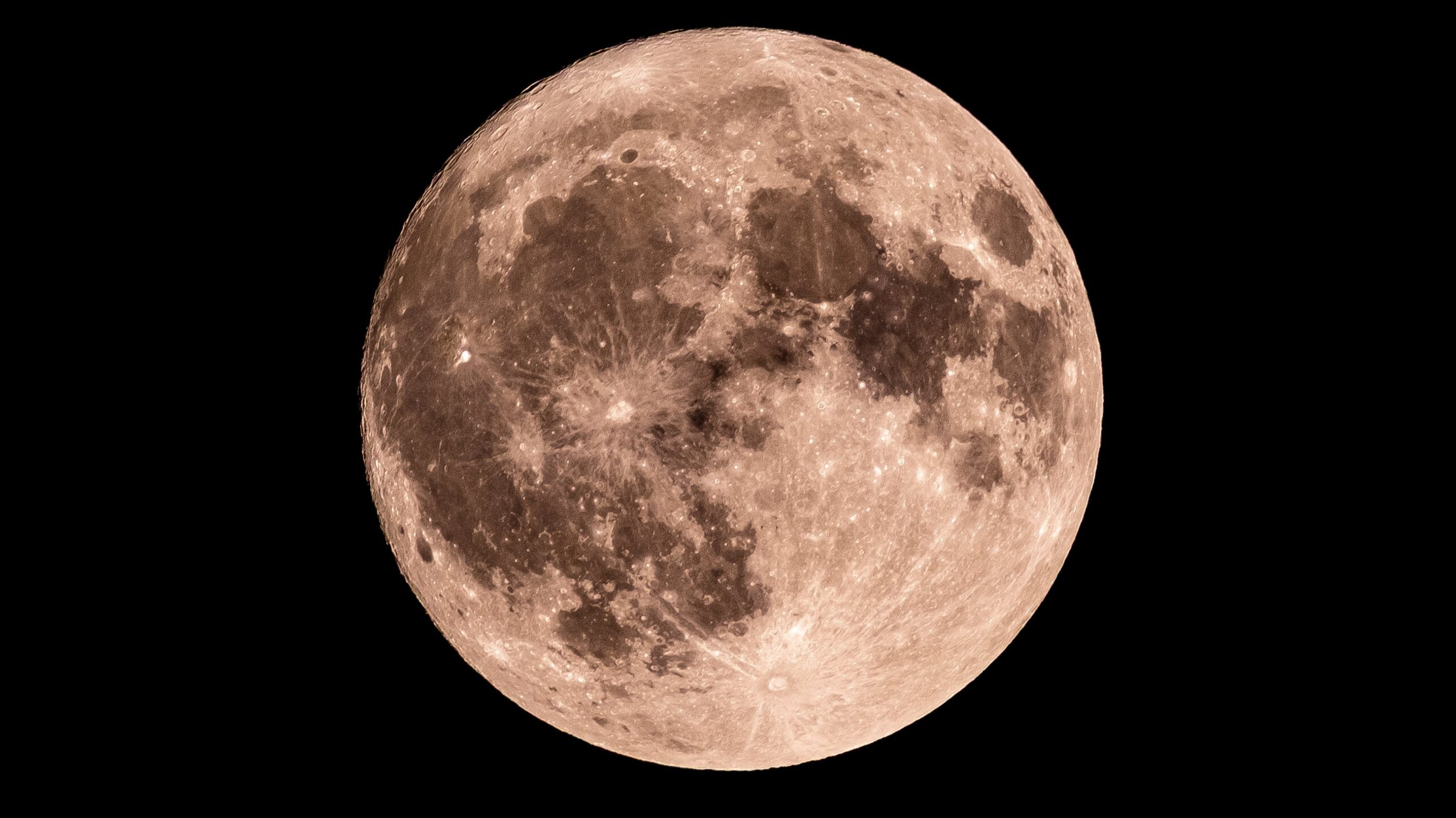
NASA is set to launch its Space Launch System (SLS) for the Artemis 2 mission, marking the first crewed flight to the Moon since the Apollo era. The SLS, a massive fully expendable rocket, has been rolled out onto the launch pad at the Kennedy Space Center in Florida as of January 17, 2024. This mission aims to send astronauts back to lunar space for the first time in over 50 years, with a potential launch date of February 6, 2024.
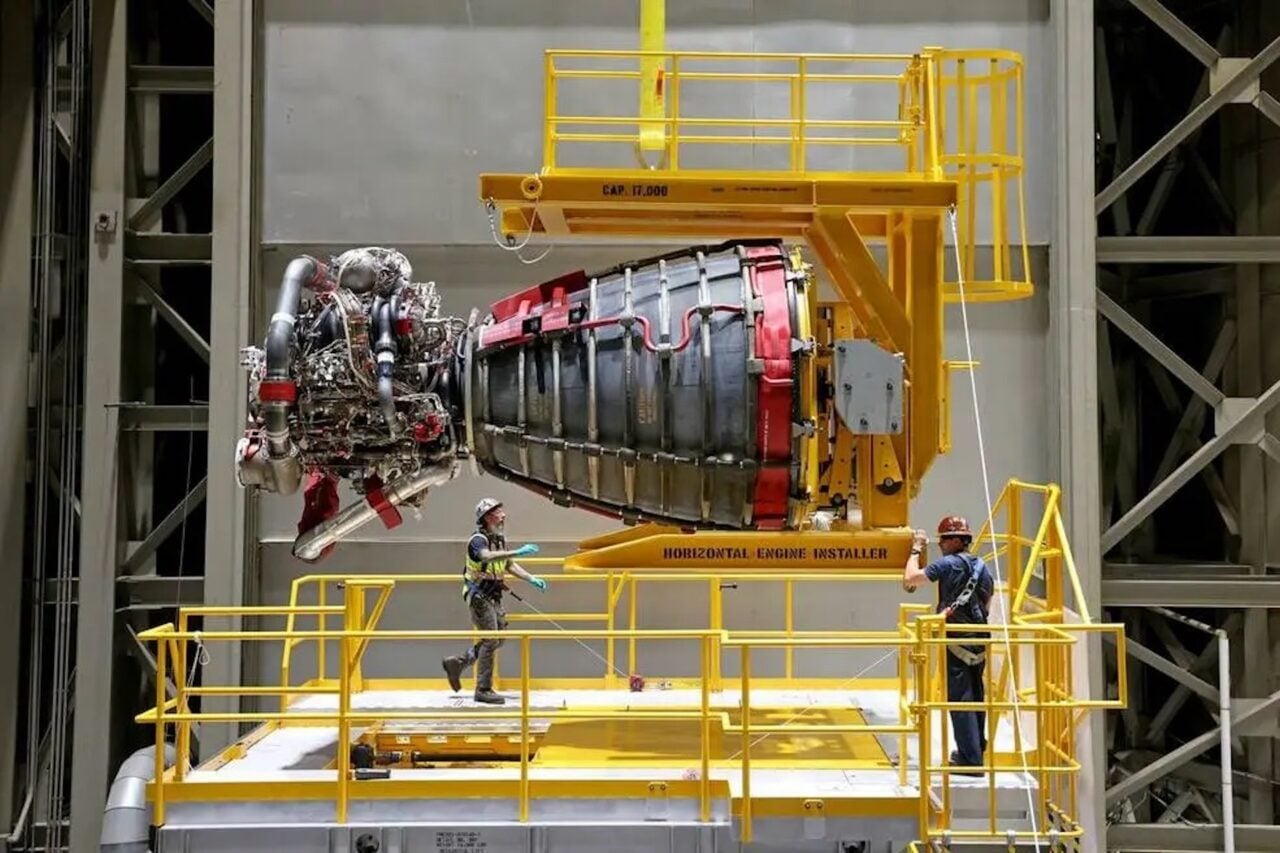
The SLS weighs approximately 5.75 million pounds and is equipped with four RS-25 engines. Notably, three of these engines are upgraded units from NASA’s Space Shuttle program, which operated from 1981 to 2011. The engines, built by Aerojet Rocketdyne, played crucial roles during the shuttle missions and now contribute to this new chapter in space exploration.
Engine Legacy and Historical Significance
All four RS-25 engines scheduled for the Artemis 2 launch have significant histories. Each engine contains components that flew on the first space shuttle mission, STS-1, which took place in April 1981. This mission marked the inaugural orbital flight of a reusable spacecraft, successfully testing the shuttle’s systems over two days.
Among these engines, E2047 stands out with an impressive record of 15 space missions, including the final shuttle mission in July 2011. This engine was confirmed as the first RS-25 engine to be installed in the core stage of the SLS for Artemis 2 in September 2023. Meanwhile, E2059, the last of the engines to make the journey from Kennedy Space Center to Stennis Space Center in Mississippi, has powered the shuttle Atlantis on three missions, contributing to the International Space Station and the Hubble Space Telescope’s upgrades.
Another key player, E2061, was part of the Endeavour’s mission to deliver critical components to the ISS in 2010. This engine also flew during Endeavour’s final mission, delivering vital equipment to the ISS. Collectively, these three engines have completed a total of 22 missions, showcasing their extensive contributions to prior space endeavors.
Future and Finality of the SLS
The SLS Block 1 rocket, which successfully completed the Artemis 1 mission in November 2022, is now preparing for subsequent missions, including Artemis 2 and 3. Each launch will utilize four RS-25 engines alongside two solid rocket boosters, ensuring robust power for the missions ahead.
NASA has contracted Aerojet Rocketdyne for a total of four reused RS-25 engines before transitioning to upgraded and newly manufactured engines. It is important to note that, as a fully expendable rocket, the SLS engines will be discarded into the Atlantic Ocean approximately ten minutes after launch, marking a definitive end to their operational service.
The upcoming Artemis 2 mission represents not only a significant technological achievement but also a celebration of NASA’s legacy in space exploration. As the agency gears up for this historic launch, it continues to build on decades of experience and innovation, paving the way for future lunar missions and beyond.