The Moon enters a new phase, with visibility increasing as it transitions towards a Full Moon. As of December 21, 2023, the Moon is in its Waxing Crescent phase, illuminated by just **2%** of its surface according to **NASA’s Daily Moon Observation**. With minimal light reflecting off its surface, the Moon remains largely invisible to the naked eye.
Understanding the Lunar Cycle
The next Full Moon is anticipated on **January 3, 2024**, following the last Full Moon on **December 4, 2023**. Understanding the Moon’s phases is essential for both casual observers and enthusiasts alike. According to **NASA**, the Moon takes approximately **29.5 days** to complete one full cycle, known as the lunar cycle. This cycle features eight primary phases as the Moon orbits Earth.
Throughout this journey, the same side of the Moon consistently faces the Earth. However, the amount of sunlight illuminating its surface changes, resulting in various appearances — from fully illuminated to completely dark. Here’s a brief overview of the lunar phases:
– **New Moon**: The Moon is positioned between the Earth and the Sun, rendering it invisible.
– **Waxing Crescent**: A small portion of light appears on the right side.
– **First Quarter**: Half of the Moon is lit, resembling a half-moon.
– **Waxing Gibbous**: More than half is illuminated, but it is not yet full.
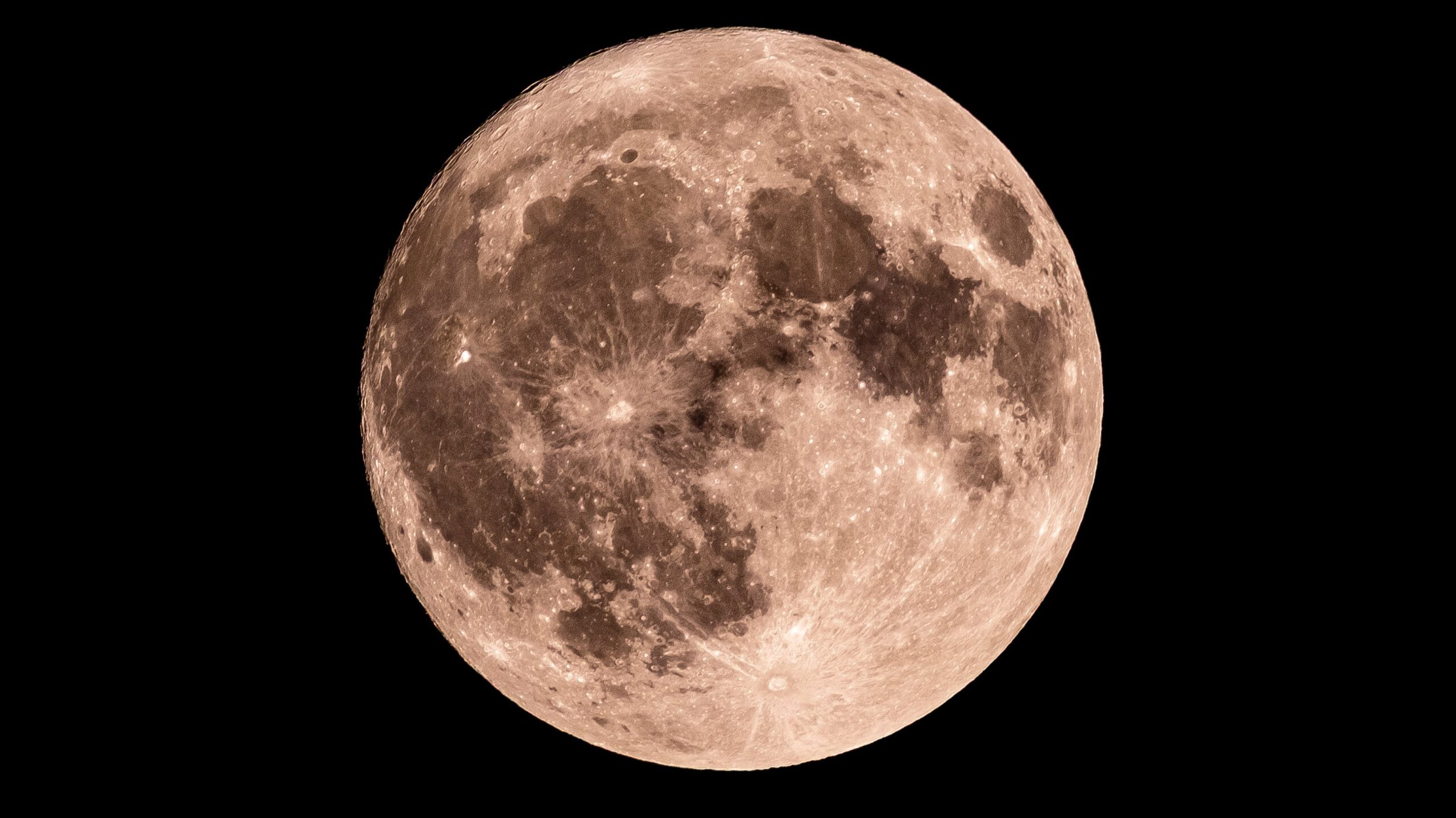
– **Full Moon**: The entire face of the Moon is lit and fully visible.
– **Waning Gibbous**: The Moon begins to lose light on the right side.
– **Third Quarter (Last Quarter)**: Another half-moon, now with the left side illuminated.
– **Waning Crescent**: A thin sliver of light remains on the left before it goes dark again.
As the Moon continues its ascent towards the Full Moon next month, skywatchers can look forward to an increasingly prominent celestial body lighting up the night. The Waxing Crescent phase offers a hint of what is to come, encouraging observers to keep an eye on the night sky as the lunar cycle progresses.