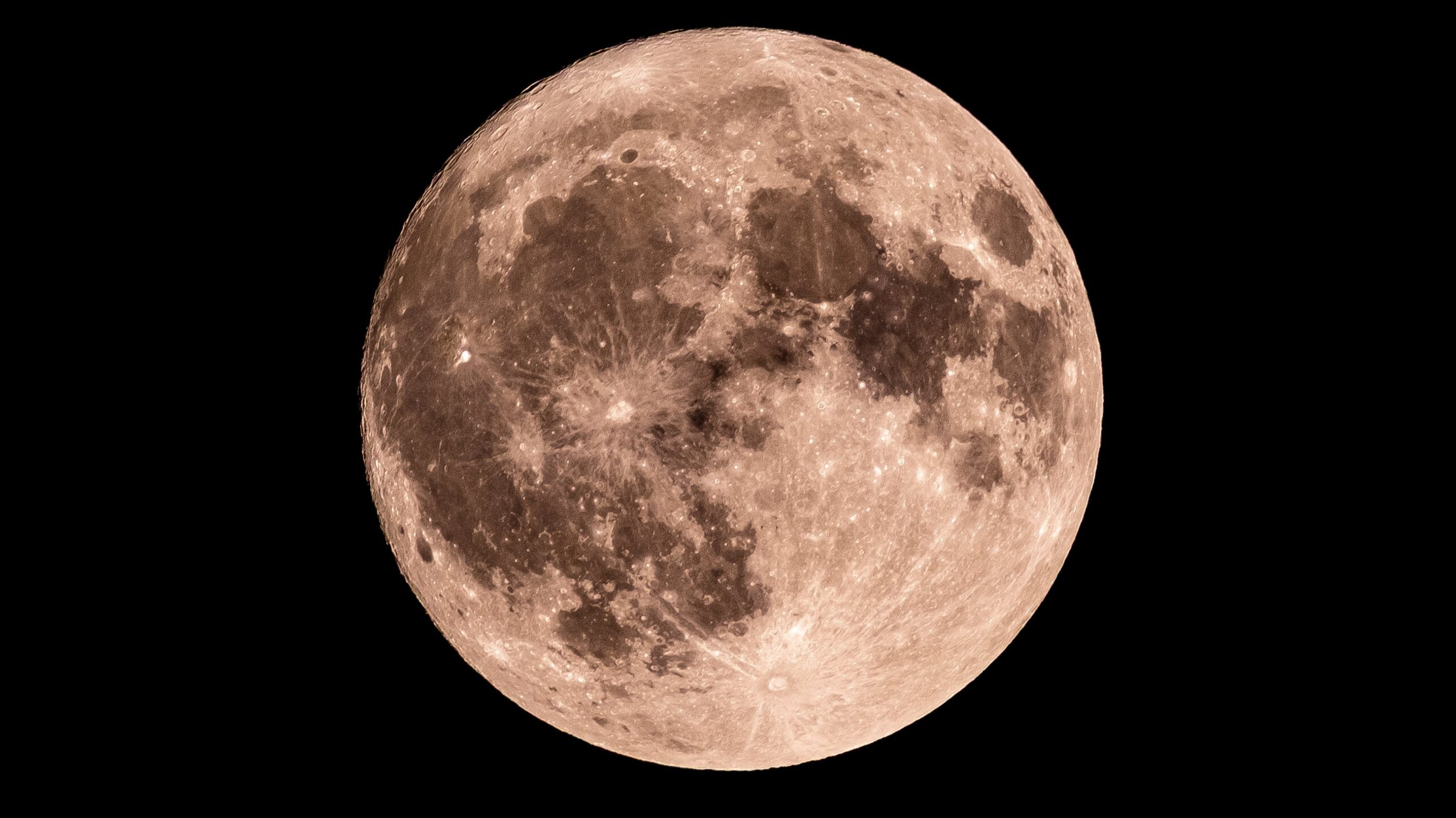
On January 4, 2024, the Moon will be in the Waning Gibbous phase, with approximately 98.6% of its surface illuminated. As the night progresses, observers can expect a gradual decrease in visibility as the Moon transitions towards the New Moon phase. This marks the beginning of the waning cycle, following the recent Full Moon.
Understanding lunar phases is essential for astronomy enthusiasts and casual observers alike. According to NASA, the Moon completes its full cycle approximately every 29.5 days, a period known as the lunar cycle. During this time, the Moon’s position relative to the Earth and the Sun changes, resulting in varying illumination levels.
Exploring the Lunar Cycle
The lunar cycle consists of eight distinct phases, each with unique characteristics.
– **New Moon**: The Moon is positioned between the Earth and the Sun, rendering it invisible to the naked eye.
– **Waxing Crescent**: A small portion of the Moon becomes visible on the right side.
– **First Quarter**: Half of the Moon is illuminated, appearing as a half-moon.
– **Waxing Gibbous**: More than half of the Moon is lit, but it is not yet full.
– **Full Moon**: The entire face of the Moon is illuminated, making it fully visible.
– **Waning Gibbous**: The Moon begins to lose light from the right side.
– **Third Quarter (or Last Quarter)**: Another half-moon, but now the left side is illuminated.
– **Waning Crescent**: A thin sliver of light remains on the left side before the Moon transitions back to darkness.
As the Moon moves through these phases, the same side always faces Earth due to its synchronous rotation, which means observers will notice different amounts of sunlight illuminating its surface throughout the cycle.
Upcoming Lunar Events
Following the Waning Gibbous phase, the next significant event will be the Full Moon on February 1, 2024. This event will provide another opportunity for skywatchers to enjoy the beauty of the Moon in its fully illuminated state.
For those interested in tracking lunar phases, resources such as The Sky Live offer real-time updates and visibility projections. Whether for scientific observation or personal interest, understanding these lunar phases can enhance the experience of stargazing.
In summary, tonight’s Waning Gibbous Moon offers a stunning view as it begins its transition towards the New Moon. Observers can appreciate the changing night sky and look forward to the next Full Moon in early February.