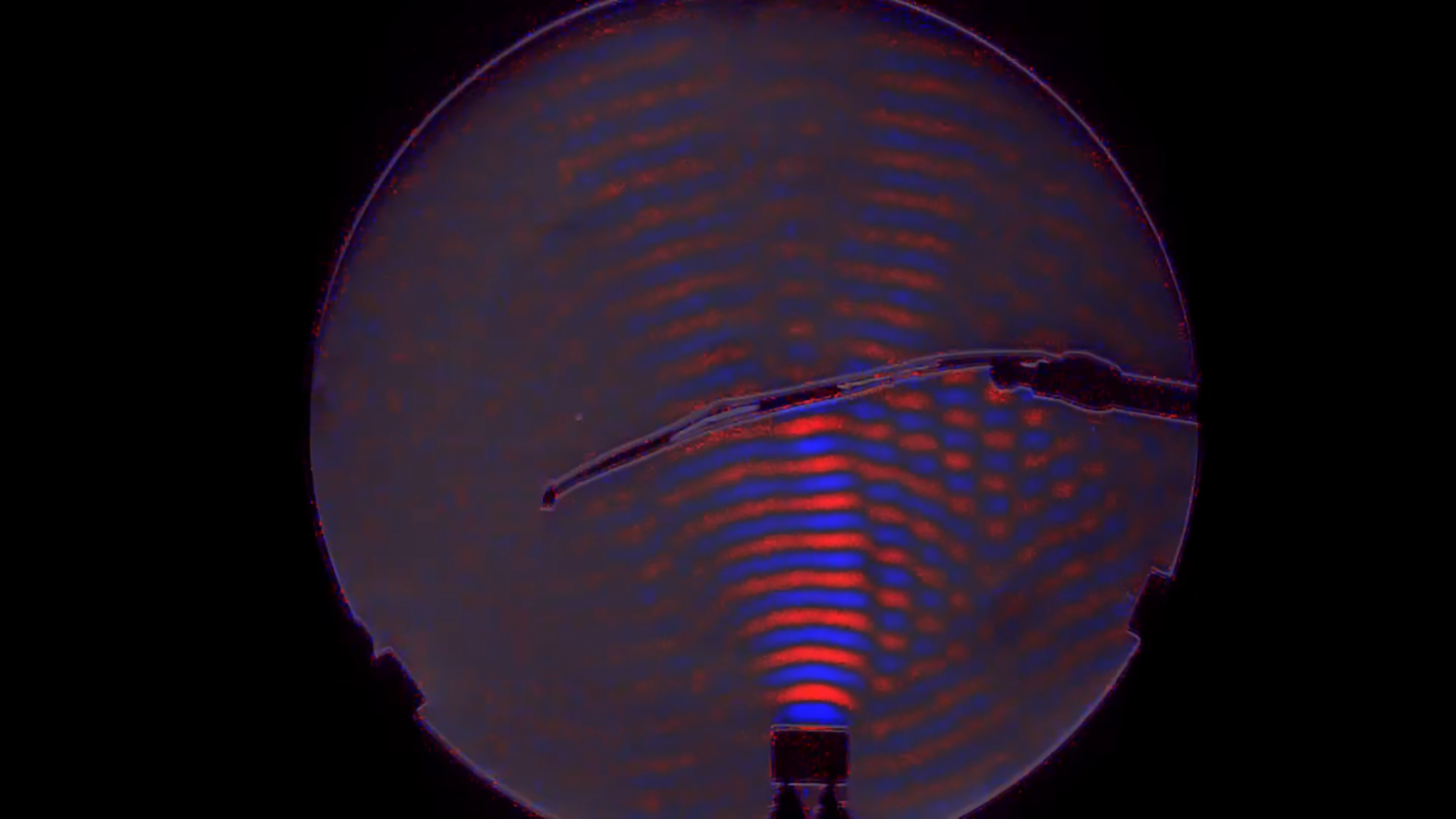
A new project by inventor PlasmatronX has made it possible to visualize sound waves for less than $200. This innovative approach utilizes a camera system that captures both constructive and destructive interference, providing a unique perspective on how sound interacts with the environment.
Understanding the Technology Behind Sound Visualization
The concept builds on established techniques such as Schlieren imaging, which is traditionally employed to visualize air currents produced by heat. PlasmatronX adapts this technology to focus on sound waves, leveraging a concave mirror to amplify the refraction caused by varying air densities due to pressure waves. This method allows for a captivating visual interpretation of sound, demonstrating the complex behaviors of waves that typically go unnoticed.
Creating a system capable of capturing these sound waves required significant technical expertise. High-speed cameras, which are usually expensive, are not necessary for this project. Instead, PlasmatronX developed a synchronized audio and optical capture system that ingeniously bypasses the need for costly equipment. Modifying audio circuits to eliminate high-pass filters and overvolting the LED flash for quick strobe effects were essential steps in this innovative process.
Open Source Development for Sound Visualization Enthusiasts
For those interested in experimenting with this groundbreaking technique, the project is available on GitHub. It serves as a resource for hobbyists and professionals alike, allowing them to explore visualizing sound in an accessible manner.
While the concept of visualizing sound is relatively new to many, the underlying idea is part of a broader category of fascinating imaging technologies. PlasmatronX invites others to join in discovering the dynamics of sound through this engaging form of experimentation. As more individuals engage with the project, it could pave the way for further advancements in both sound technology and visual arts.
This project exemplifies how creative engineering can open new avenues for understanding sensory experiences, all while remaining affordable for anyone curious enough to explore.