A recent project led by azwankhairul345 has demonstrated a cost-effective approach to environmental monitoring by utilizing recycled materials. The project highlights that while the technology—such as sensors and computing power—is readily available, the challenge lies in how to package and implement these solutions effectively.
The core of this environmental monitor is the Raspberry Pi Pico W, which offers sufficient processing power and connectivity for the project. A large power bank battery serves as the energy source, providing the necessary power for the device to function. The project employs easily accessible off-the-shelf sensors to monitor various environmental conditions, including magnetic fields, air quality, temperature, and humidity.
Creative Use of Recycled Materials
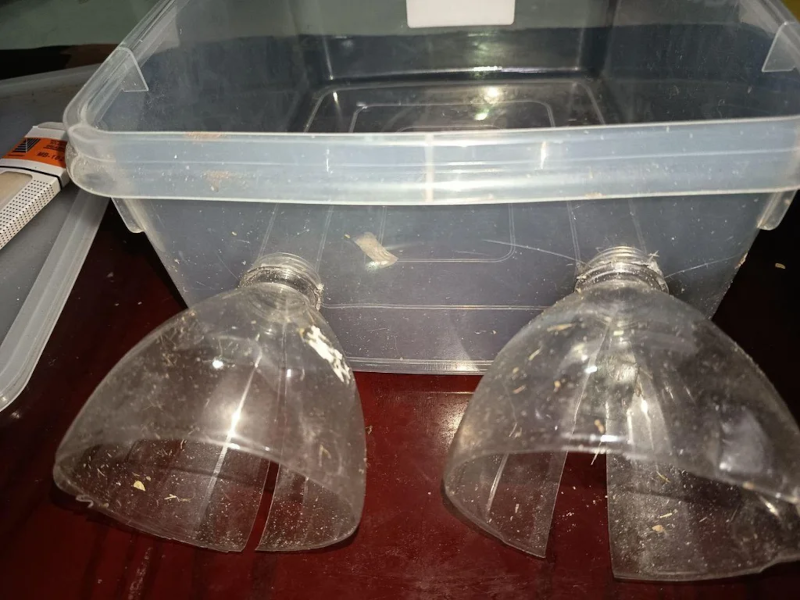
The protective casing for the device is crafted from recycled plastic containers, which not only serves to safeguard the internal components but also contributes to sustainability efforts. The design incorporates PVC piping and plastic covers for the sensors; notably, the covers resemble the tops of common drink bottles. This innovative use of materials showcases how environmental monitoring can be achieved without significant financial investments.
While this setup is promising, it does have limitations. The battery bank within the instrument currently lacks a recharging mechanism, meaning the device can operate for approximately two days before requiring maintenance. Depending on specific monitoring needs, users may need to consider alternative power solutions to ensure continuous operation.
Comparative Performance and Future Considerations
Although this monitor may not perform as efficiently as traditional options, such as the Hoffman box-style containers, it represents a significant step forward in accessible environmental monitoring. Various methods for sealing devices against the elements have been explored, indicating that further refinements are possible.
This project underscores the potential for low-cost, sustainable solutions in the field of environmental monitoring. By leveraging readily available technology and repurposed materials, it paves the way for broader applications in both scientific research and community-based environmental initiatives. As interest in sustainable practices continues to grow, projects like this could inspire further innovation in the sector.