In a recent personal exploration, Bryce Leiberman, a freshman at Hopkins University, examined how national identity influences perceptions of foreign policy. During a discussion about his paper on the Iraq War, a friend pointed out an intriguing tendency: Leiberman had repeatedly used “we” to describe actions taken by the United States, despite not having a direct connection to the events. This moment sparked a deeper reflection on his own biases and the complexity of identity.
Understanding Identity and Bias
The conversation began when Leiberman provided an overview of his research on the Iraq War. His friend’s observation about his language struck a chord, leading Leiberman to question why he subconsciously identified with a country he had never experienced in the context of war. As he walked to class, he pondered the implications of using inclusive language that tied him to a national identity, especially in light of the tragic consequences of the invasion.
“An identity is a complex mishmash of physical, psychological, and social characteristics that make us who we are,” Leiberman reflected. He recognized that the use of “we” in reference to American actions in Iraq implied a connection that he did not fully acknowledge. This realization became even more significant given his experiences at Hopkins, where he encountered a diverse range of perspectives compared to the homogeneity of his hometown in Madison, Connecticut.
Redefining Pride in National Identity
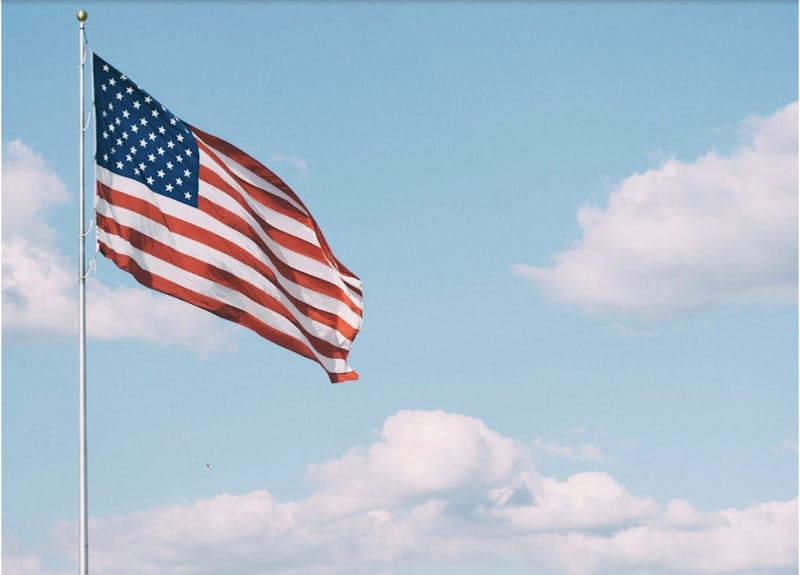
Pride in one’s citizenship often gets conflated with endorsing every action taken by that nation. Leiberman highlighted that being proud to be an American does not equate to unconditionally supporting all of its policies. He noted that symbols of patriotism, such as “Don’t Tread on Me” lawn signs, can sometimes mask the complexity of national identity.
His analysis revealed the intrinsic bias that can arise from growing up in a particular culture. While not inherently negative, it is crucial to recognize how these biases shape discussions about U.S. security policy, especially with peers from different backgrounds. “Teamsmanship,” as he called it, can create both unity and division, fostering an “us versus them” mentality.
Leiberman emphasized that Americans are not a monolith, reiterating that he was not a member of George W. Bush’s cabinet during the Iraq War. Acknowledging this distinction is vital for understanding the nuances of political identity and the biases that accompany it. He articulated a need for individuals to adjust their mental frameworks, allowing for a more nuanced understanding of international relations.
In conclusion, Leiberman’s exploration serves as a reminder of the profound impact that identity and bias can have on our perceptions and discussions around foreign policy. By recognizing these influences, there is potential for more informed and empathetic dialogue in an increasingly interconnected world.
As he continues his studies in Political Science and Philosophy, Leiberman aims to navigate the complexities of identity and bias, seeking authenticity in understanding both the past and present as part of his journey to becoming himself.